— Ideas & inspiration
Colonial composition
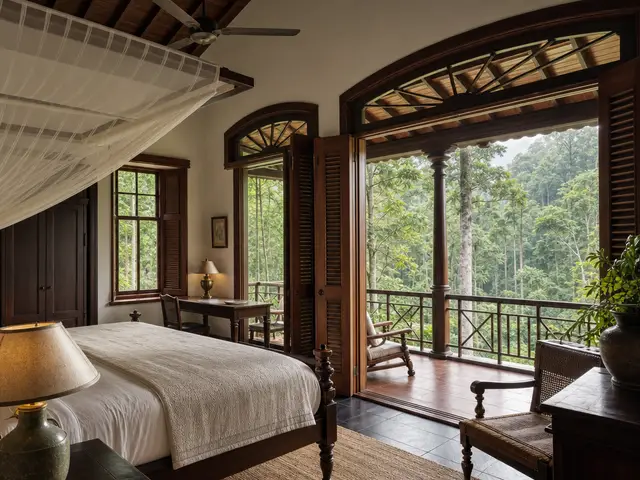
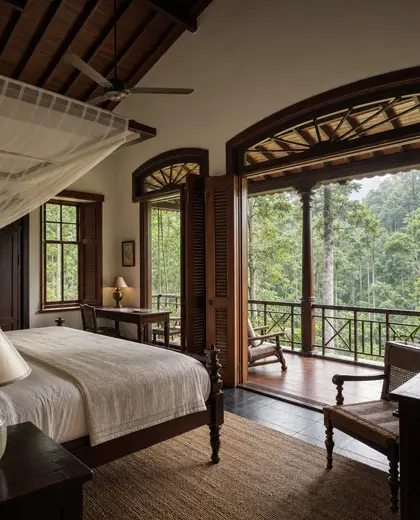
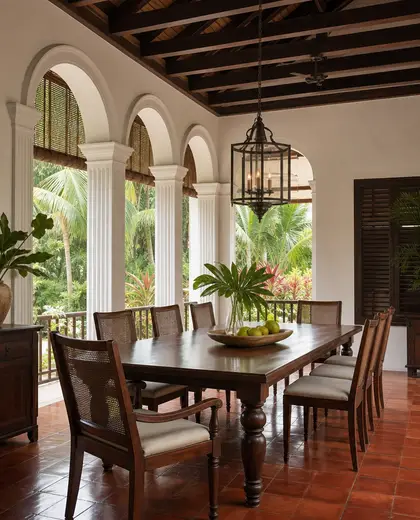
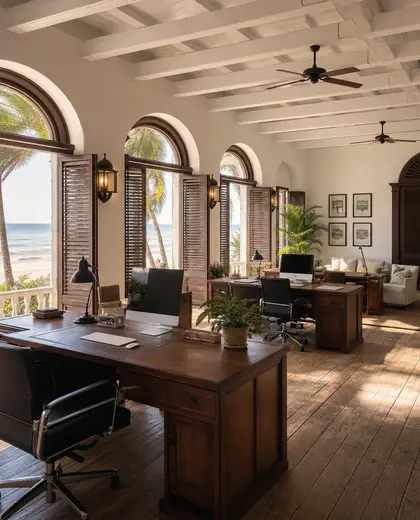
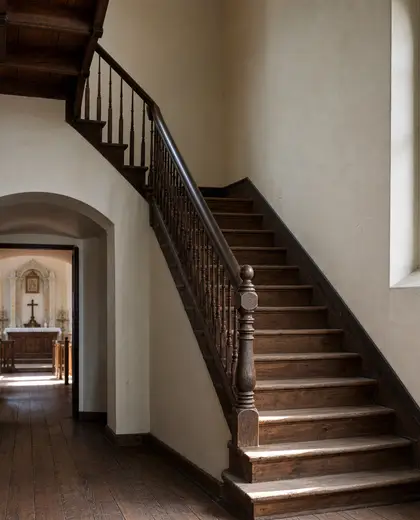
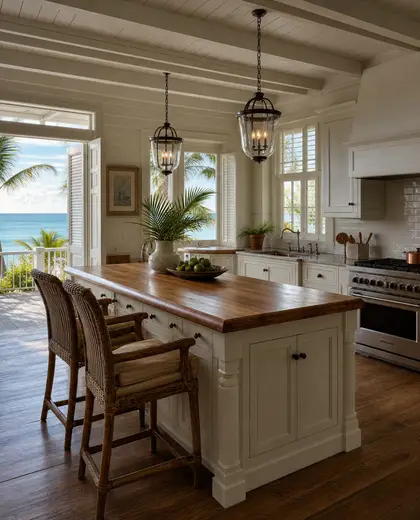
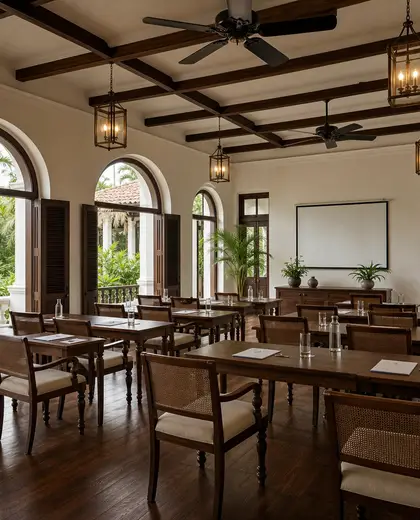
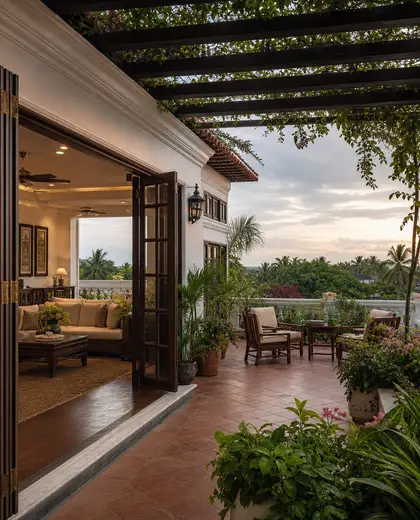
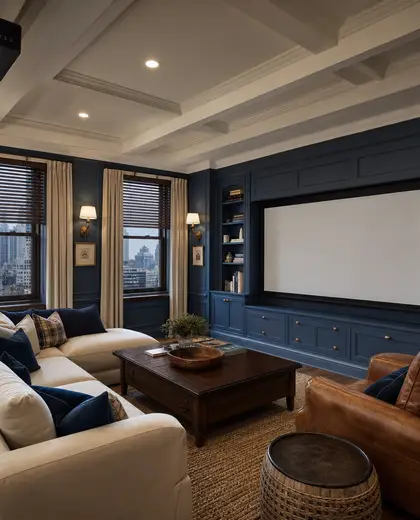
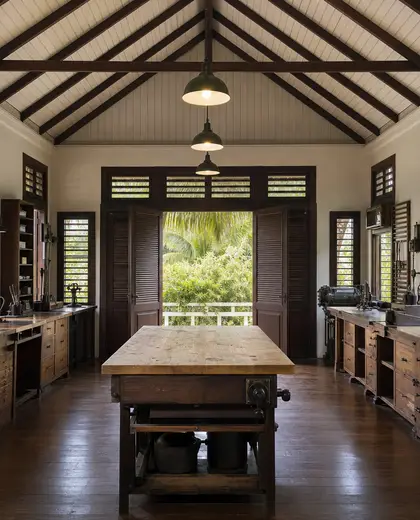
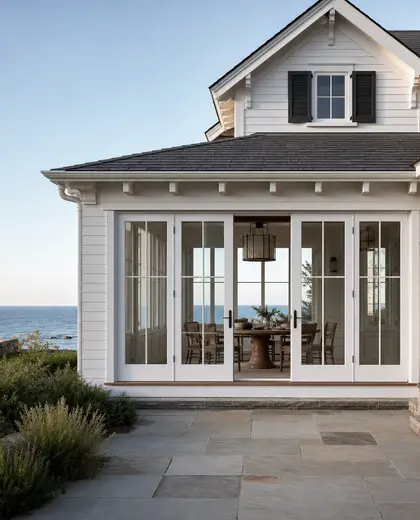
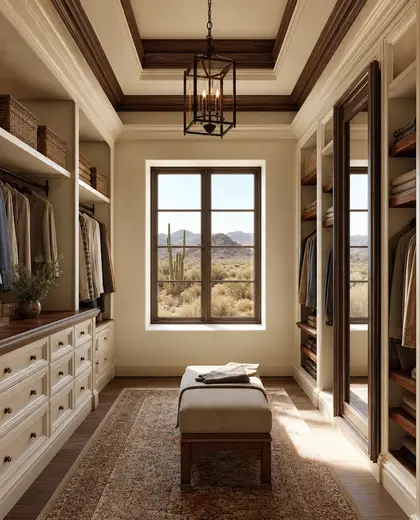
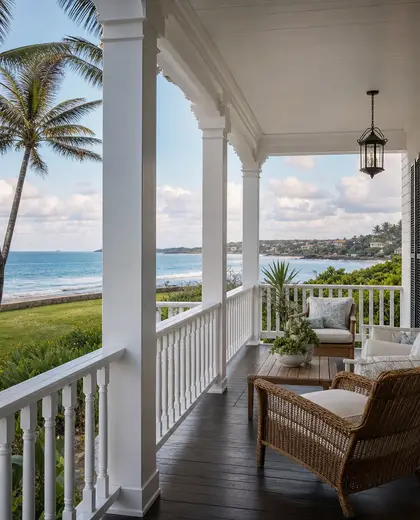
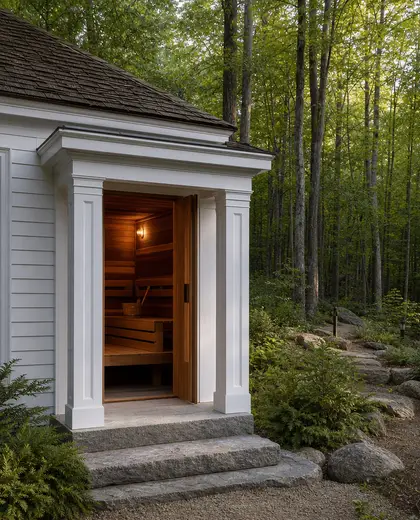
Colonial composition is defined by symmetrical facades, formal proportions, and clearly ordered window and door placements. It often uses painted wood trim, brick or clapboard siding, shutters, columns, and paneled doors, with a restrained palette of white, cream, muted gray, navy, or deep green. The look balances traditional detailing with a clean, structured exterior.
- colonial
— References
References to explore

Is colonial the same as a traditional house style?
Colonial is one branch of traditional design, but it has a more specific identity: symmetry, formal proportions, and classical detailing. It is usually easier to recognize than a general traditional style.

Can colonial style feel updated without losing its character?
Yes. Homeowners often keep the symmetrical exterior and classic trim while simplifying colors, updating windows, or using cleaner hardware and porch details.
Does colonial composition work with modern materials?
It can, if the new materials preserve the same proportions and detailing. For example, fiber cement siding or engineered wood can suit the style when used with traditional profiles and a restrained color scheme.


— The style
What defines it
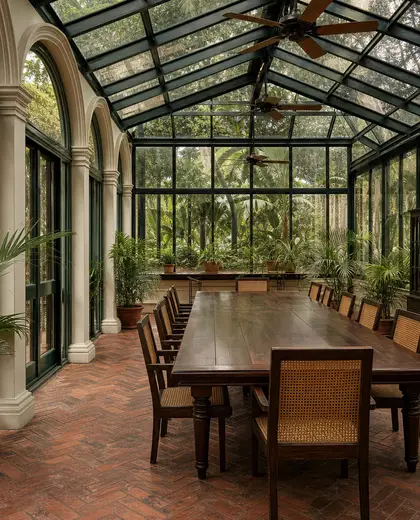
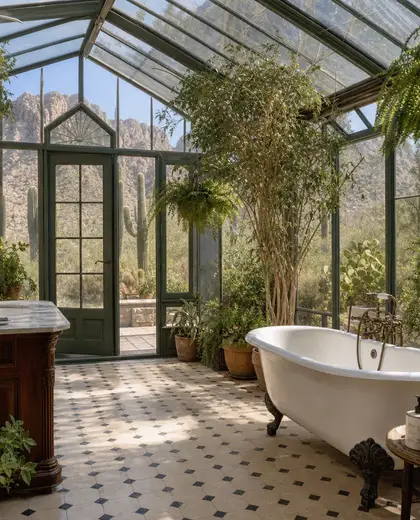
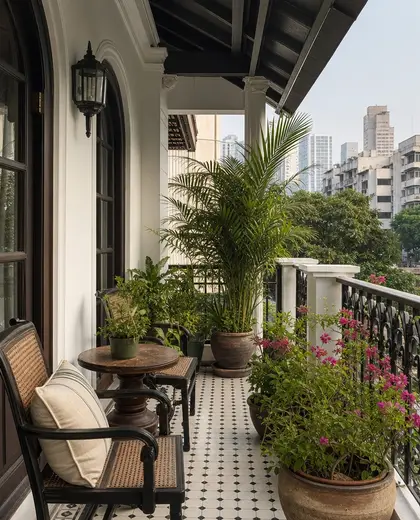
Common materials include painted wood, clapboard, brick, stone steps, paneled doors, and classical trim details such as columns and cornices.
The palette is usually restrained: white, off-white, cream, pale gray, muted blue, black accents, and deep greens or reds for doors and shutters.
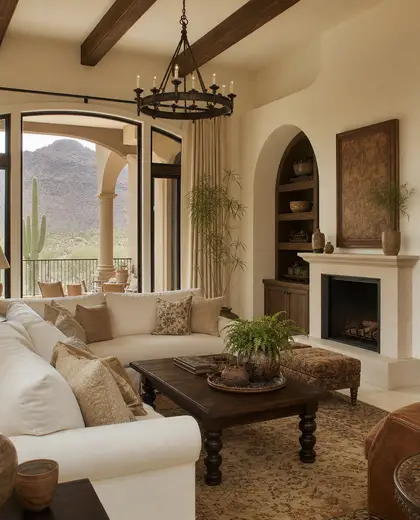
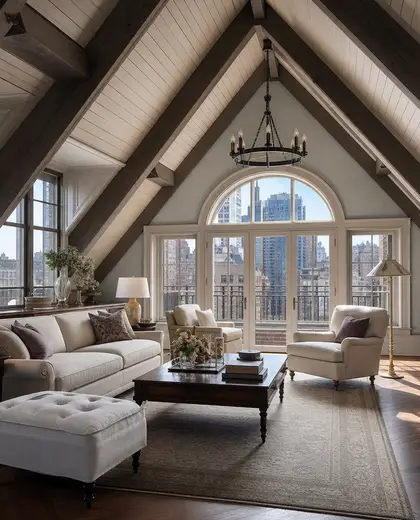
Colonial works well with traditional landscaping, gabled roofs, symmetrical windows, formal entry porches, and interior layouts that favor balanced, ordered rooms.
— Professionals
Who has already built it
- vorbild architecturearchitects · 6 projectsView profile →
- kerem erbagci3d renderers · London · 9 projectsView profile →
- paquis norris group limitedbuilders · Reading · 3 projectsView profile →
- LoftRobejoiners · Guildford · 4 projectsView profile →
— Explore
Keep exploring
— Questions
Frequently asked questions
Is colonial the same as a traditional house style?
Colonial is one branch of traditional design, but it has a more specific identity: symmetry, formal proportions, and classical detailing. It is usually easier to recognize than a general traditional style.
Can colonial style feel updated without losing its character?
Yes. Homeowners often keep the symmetrical exterior and classic trim while simplifying colors, updating windows, or using cleaner hardware and porch details.
Does colonial composition work with modern materials?
It can, if the new materials preserve the same proportions and detailing. For example, fiber cement siding or engineered wood can suit the style when used with traditional profiles and a restrained color scheme.