— Ideas & inspiration
Condo interior design
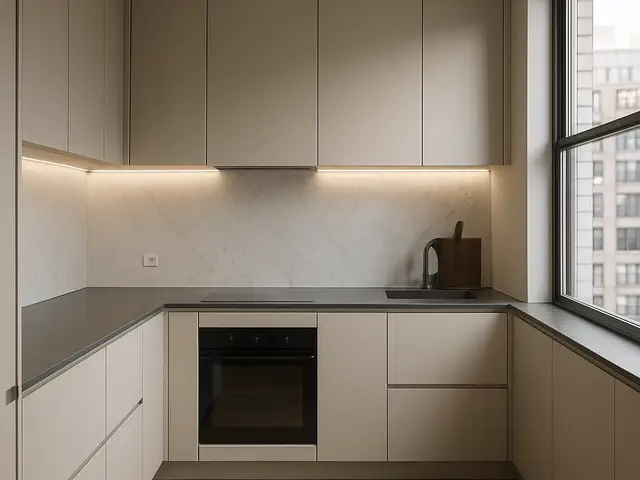
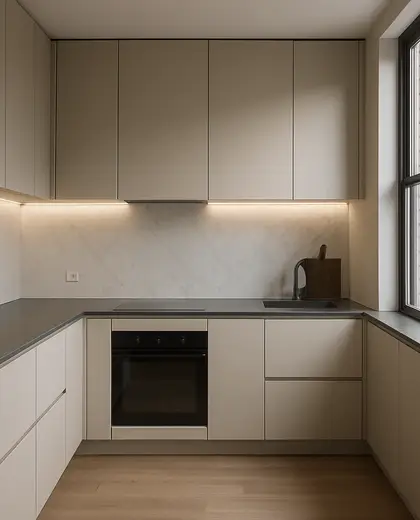
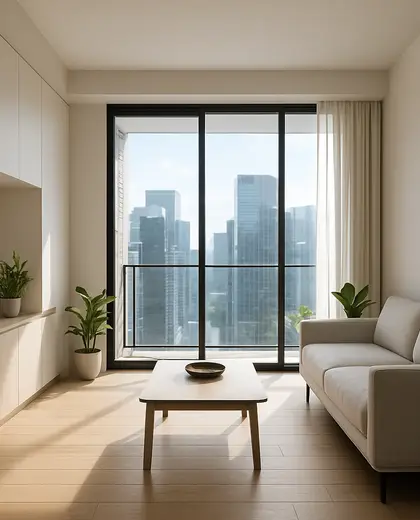
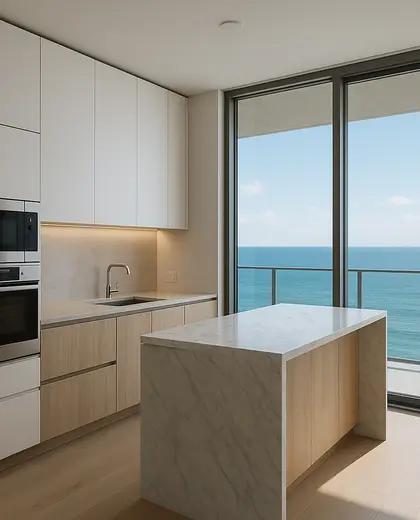
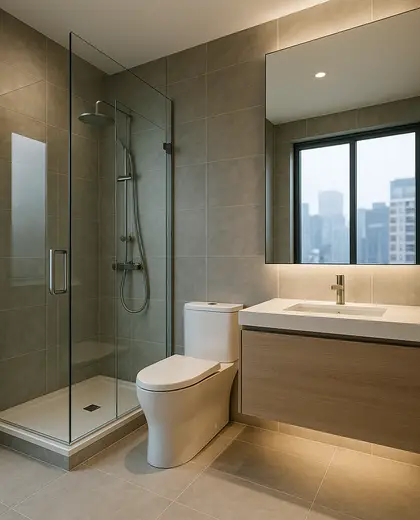
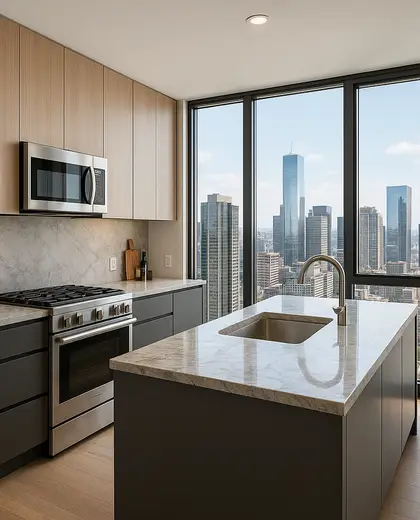
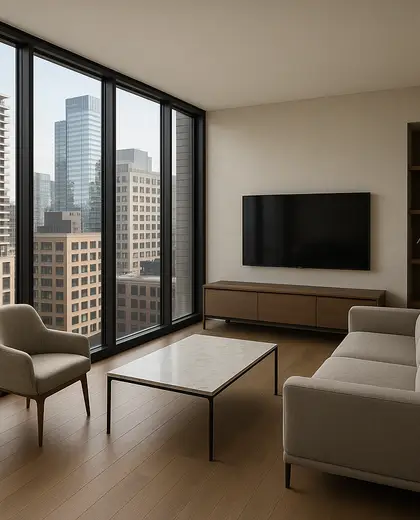
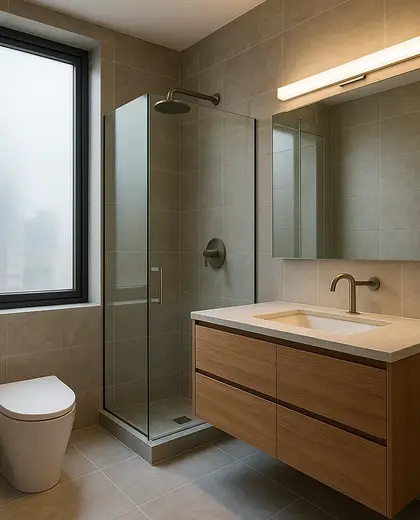
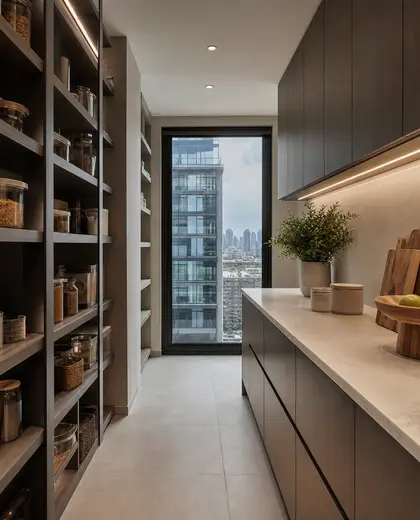
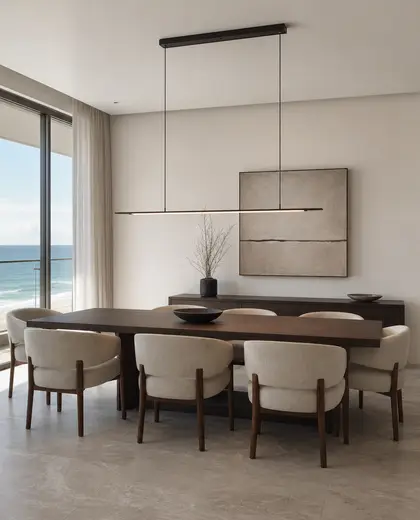
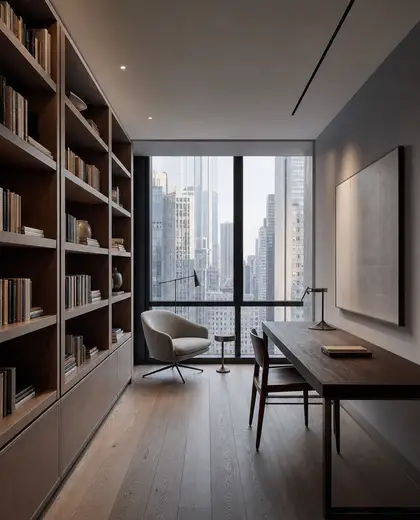
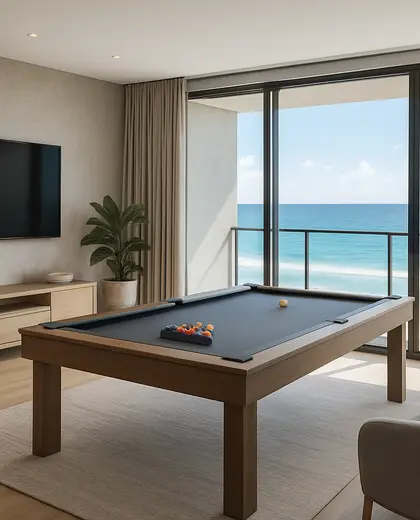
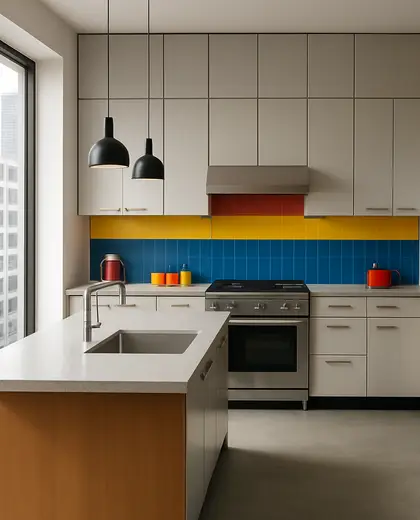
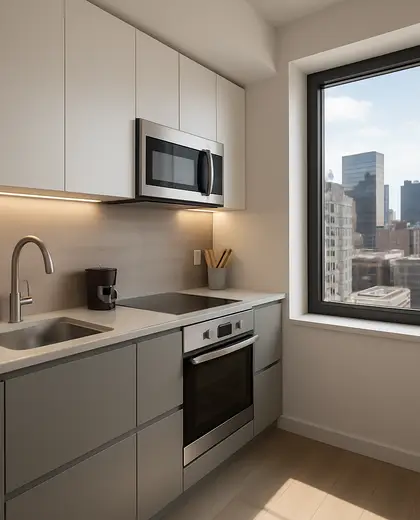
Condo composition is defined by efficient, built-in planning suited to compact urban living. It typically uses durable materials like engineered wood, stone, glass, laminate, and metal, with a restrained palette of whites, greys, beige, and warm wood tones. The look often includes integrated storage, slim-profile furniture, and clean-lined finishes to keep rooms open and practical.
- condo
— References
References to explore
What makes a condo composition different from a house interior?
It is planned around smaller footprints, shared building constraints, and more efficient circulation, so storage and layout matter more than decorative layering.


Which finishes work best in a condo?
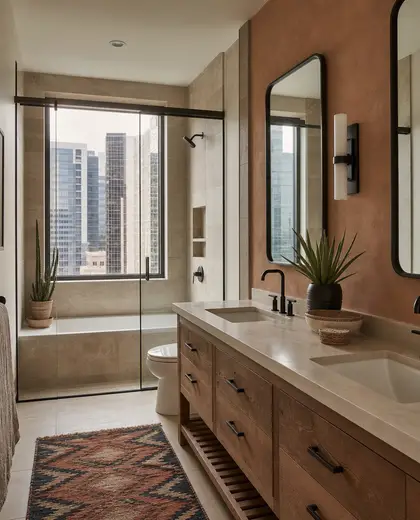
Hardwearing, easy-to-clean finishes usually work best: quartz or stone counters, porcelain tile, durable flooring, and matte or satin painted surfaces.


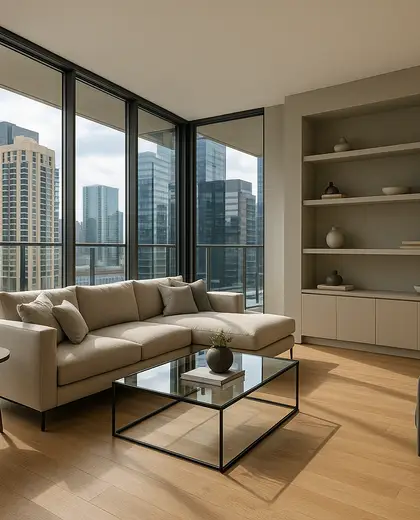
Can a condo composition still feel warm?
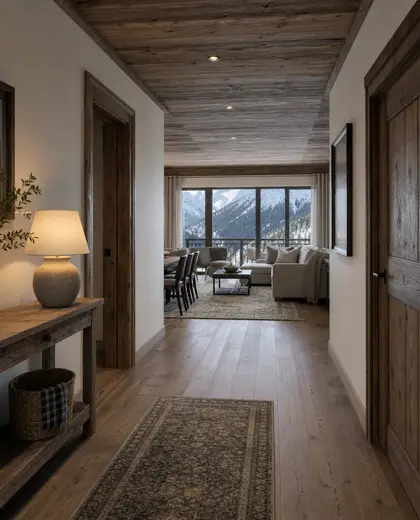
Yes. Warm wood tones, textured fabrics, layered lighting, and a few darker accents can soften the neutral base without making the space feel crowded.




— The style
What defines it
Engineered wood, porcelain tile, quartz or stone, glass, painted MDF, laminate, and metal details.
Neutral whites, soft greys, taupe, beige, black accents, and natural wood tones; occasional muted color for depth.
Built-in storage, compact kitchens, mirrored or glass elements, light textiles, and space-saving furniture.
— Professionals
Who has already built it
- vorbild architecturearchitects · 6 projectsView profile →
- kerem erbagci3d renderers · London · 9 projectsView profile →
- paquis norris group limitedbuilders · Reading · 3 projectsView profile →
- LoftRobejoiners · Guildford · 4 projectsView profile →
— Explore
Keep exploring
— Questions
Frequently asked questions
What makes a condo composition different from a house interior?
It is planned around smaller footprints, shared building constraints, and more efficient circulation, so storage and layout matter more than decorative layering.
Which finishes work best in a condo?
Hardwearing, easy-to-clean finishes usually work best: quartz or stone counters, porcelain tile, durable flooring, and matte or satin painted surfaces.
Can a condo composition still feel warm?
Yes. Warm wood tones, textured fabrics, layered lighting, and a few darker accents can soften the neutral base without making the space feel crowded.