— Ideas & inspiration
Desert composition
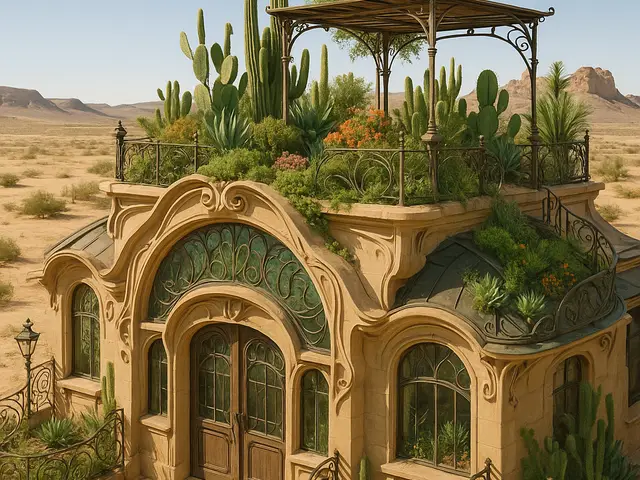
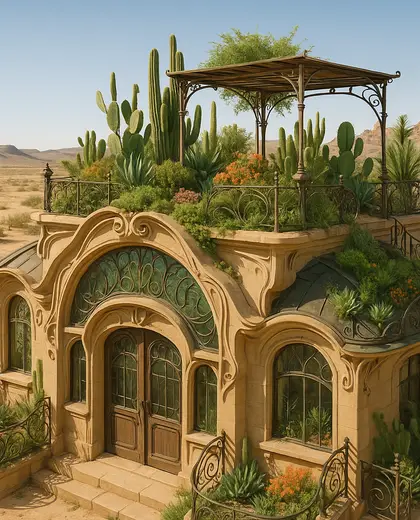
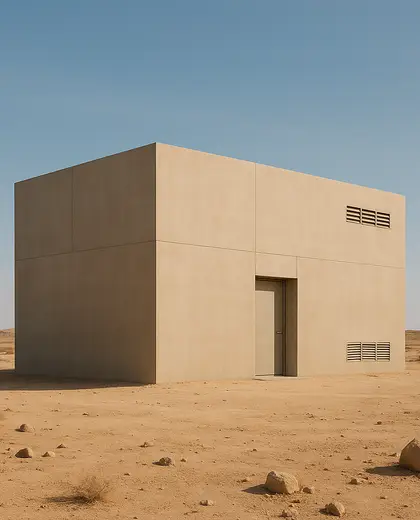
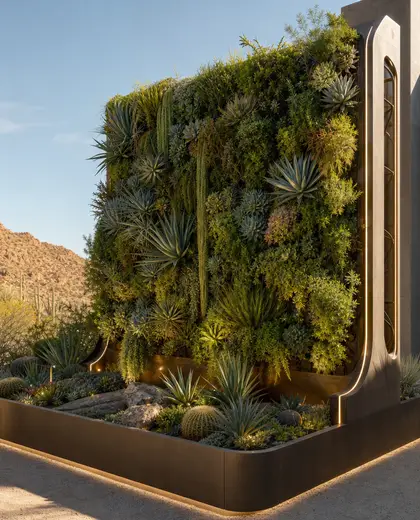
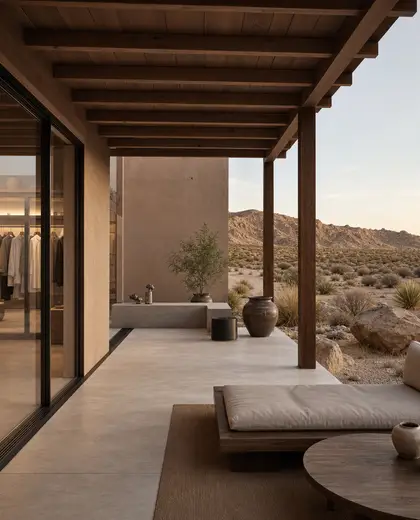
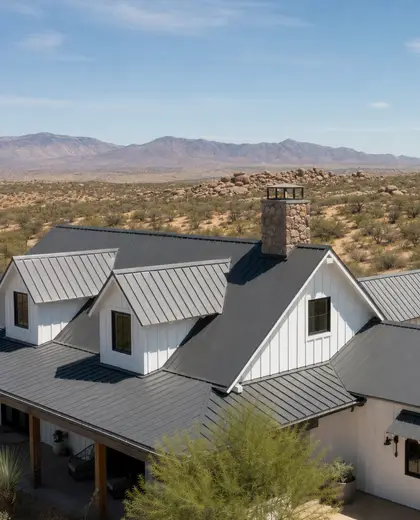
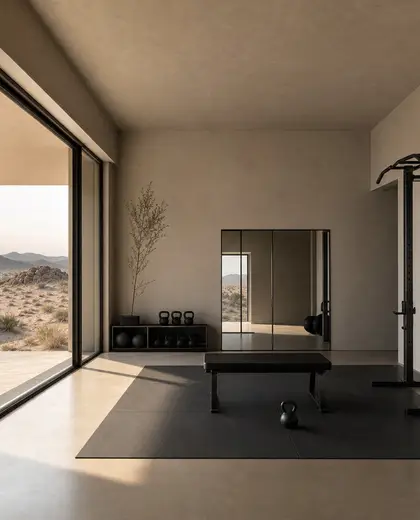
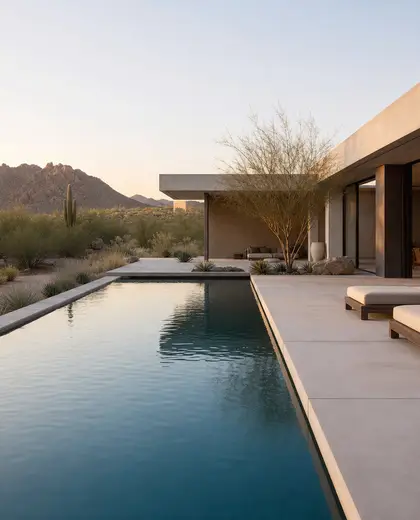
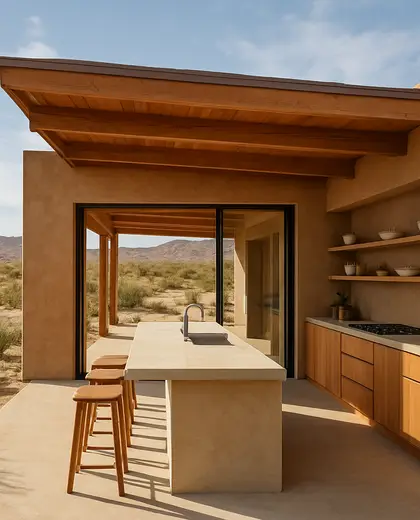
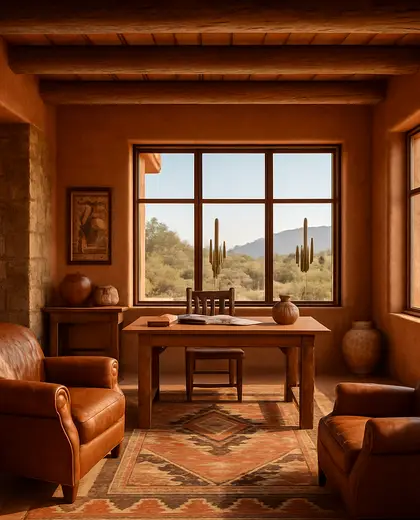
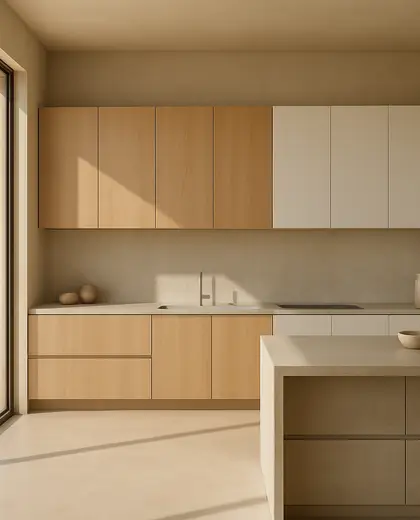
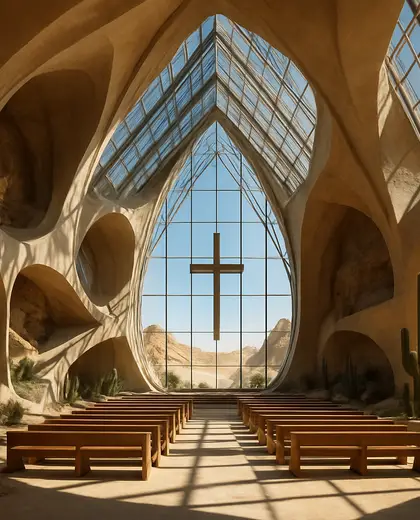
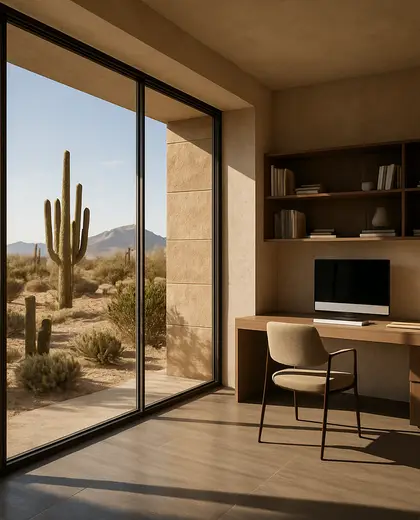
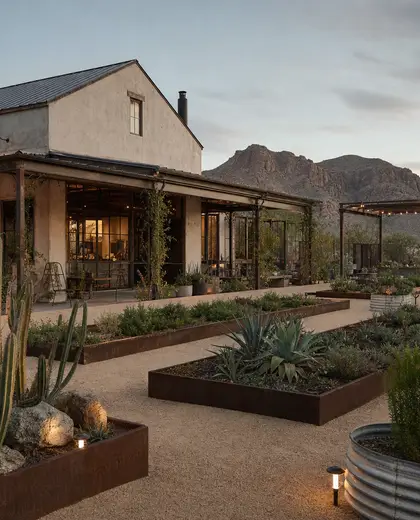
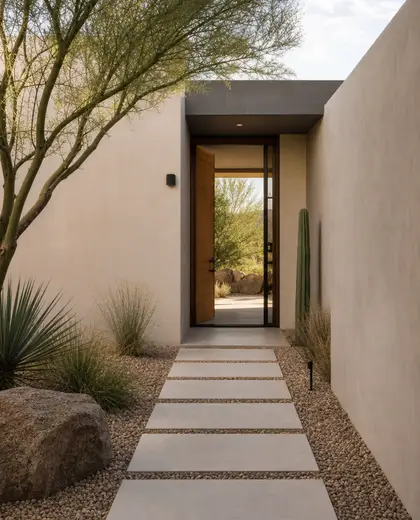
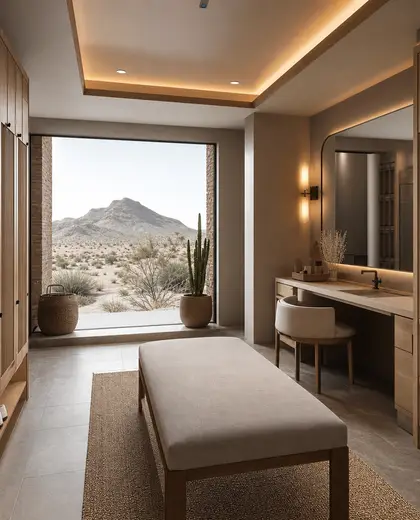
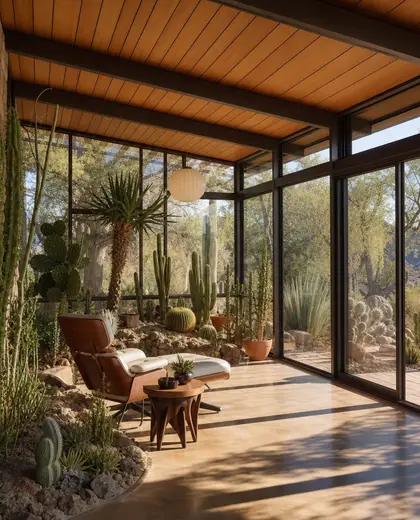
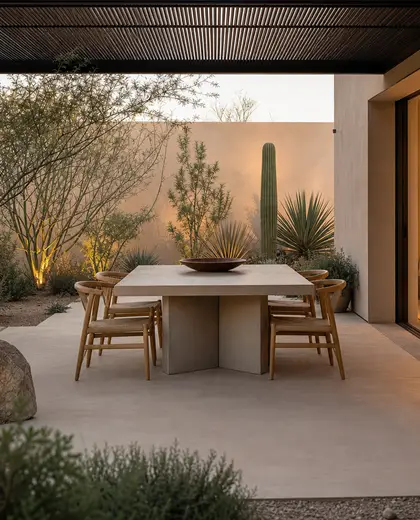
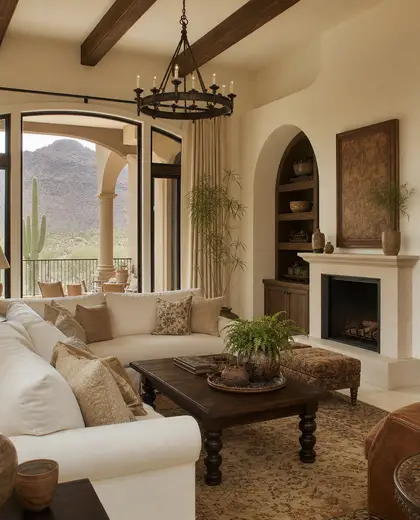
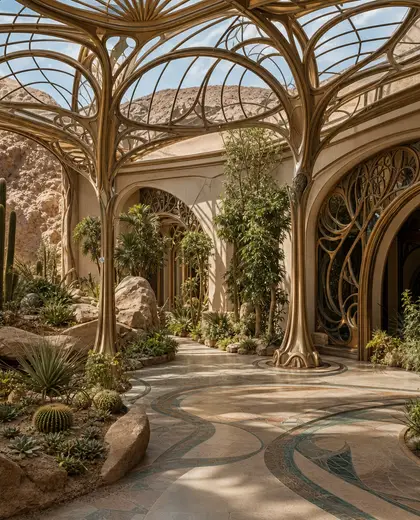
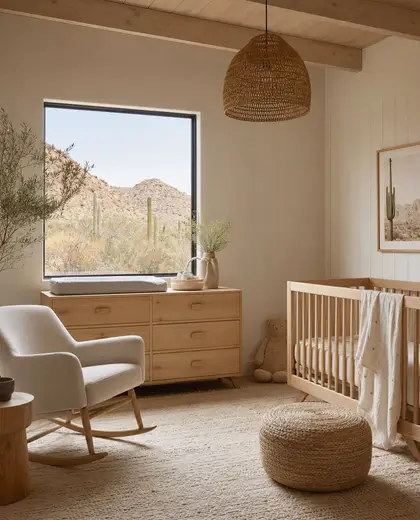
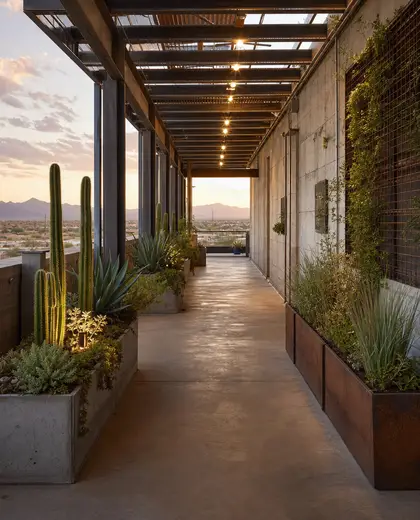
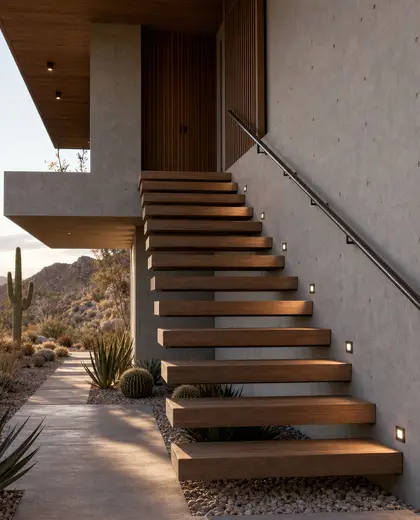
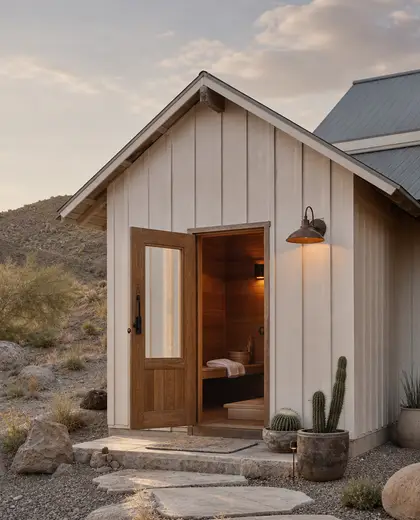
A desert composition is defined by sun-bleached neutrals, warm earth tones, and tactile natural materials such as plaster, stone, clay, timber, and linen. It often includes low, grounded forms, rough or matte finishes, and strong daylight balanced with shade. The look is calm, dry, and pared back rather than decorative.
- desert
— References
References to explore
What makes a design feel desert-inspired rather than just neutral?
The difference is in warmth, texture, and contrast. Desert-inspired spaces use earthy pigments, matte surfaces, and materials that feel sun-worn or mineral, rather than cool grays and polished finishes.
Can this composition work in a small home?
Yes, if the palette stays restrained and the materials are kept simple. Light plaster walls, a few textured pieces, and low-contrast finishes can make a small space feel calm without becoming heavy.
What should I avoid if I want this look to feel authentic?
Avoid glossy surfaces, saturated colors, and too many decorative objects. Heavy patterning and overly cool materials can pull the space away from the dry, grounded character of the composition.
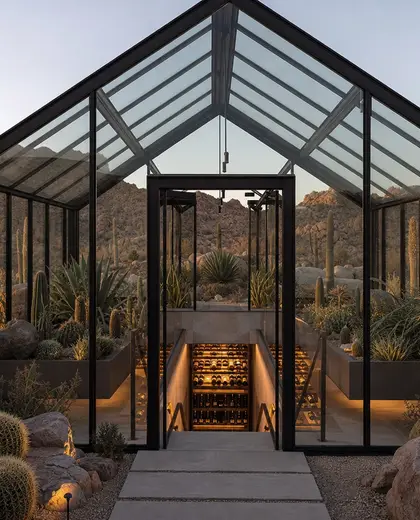
— The style
What defines it
Plaster, adobe, clay, limestone, oak, rattan, linen, and patinated metal are common because they read dry, warm, and tactile.
Sand, beige, taupe, clay, terracotta, ochre, soft brown, and chalky white dominate, often with charcoal or black accents.
Works well with Mediterranean, wabi-sabi, rustic modern, minimal, and organic contemporary interiors.
— Professionals
Who has already built it
- LoftRobejoiners · Guildford · 4 projectsView profile →
- Beneito Faurelighting designers · 2 projectsView profile →
- Lusso Stonetile suppliers · Stocktonontees · 7 projectsView profile →
- elizabeth bee interior deinterior designers · 4 projectsView profile →
— Explore
Keep exploring
— Questions
Frequently asked questions
What makes a design feel desert-inspired rather than just neutral?
The difference is in warmth, texture, and contrast. Desert-inspired spaces use earthy pigments, matte surfaces, and materials that feel sun-worn or mineral, rather than cool grays and polished finishes.
Can this composition work in a small home?
Yes, if the palette stays restrained and the materials are kept simple. Light plaster walls, a few textured pieces, and low-contrast finishes can make a small space feel calm without becoming heavy.
What should I avoid if I want this look to feel authentic?
Avoid glossy surfaces, saturated colors, and too many decorative objects. Heavy patterning and overly cool materials can pull the space away from the dry, grounded character of the composition.