— Ideas & inspiration
Dressing Room
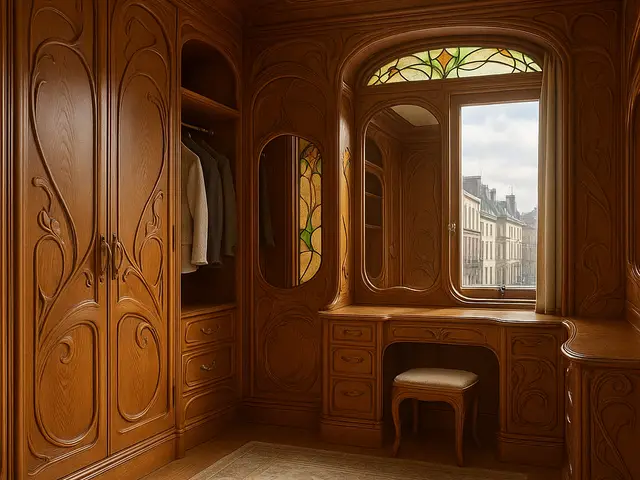
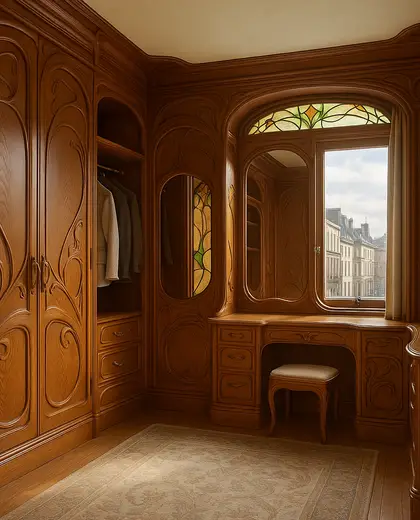
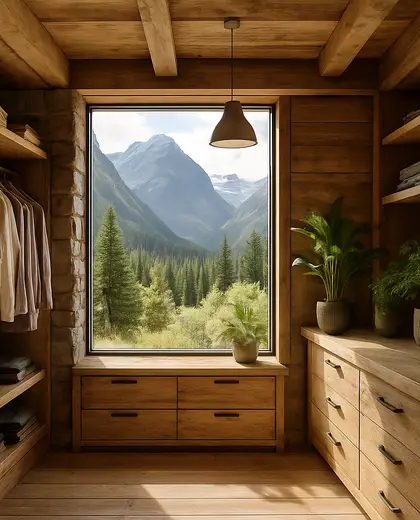
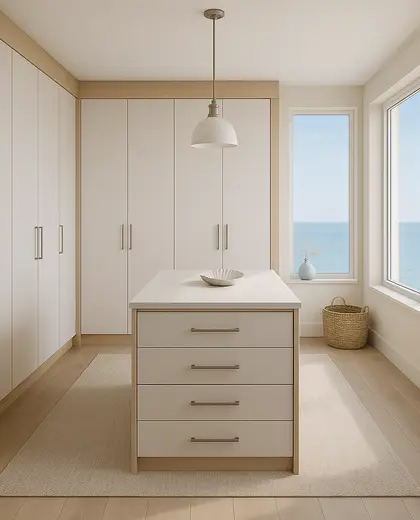
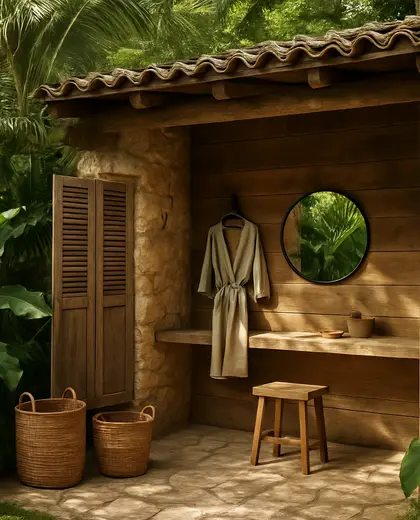
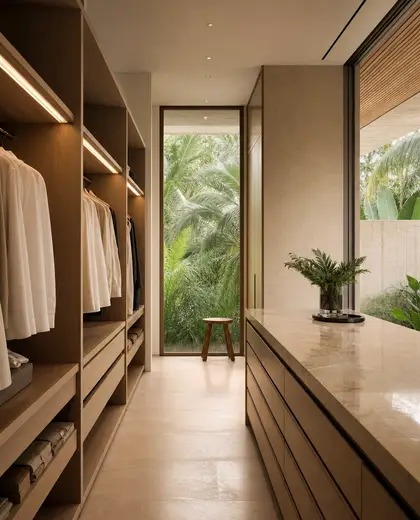
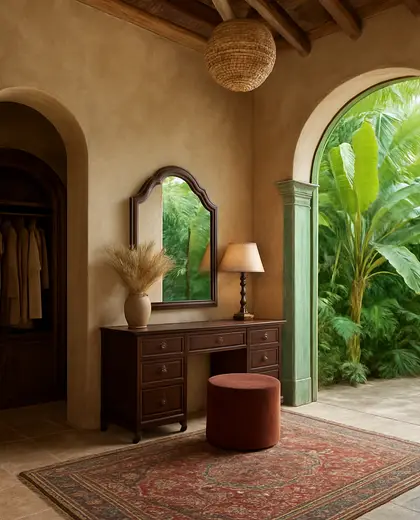
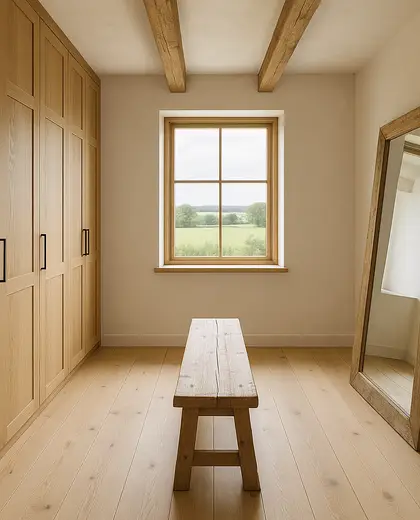
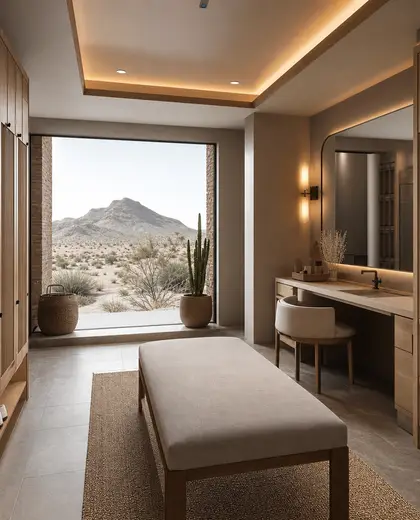
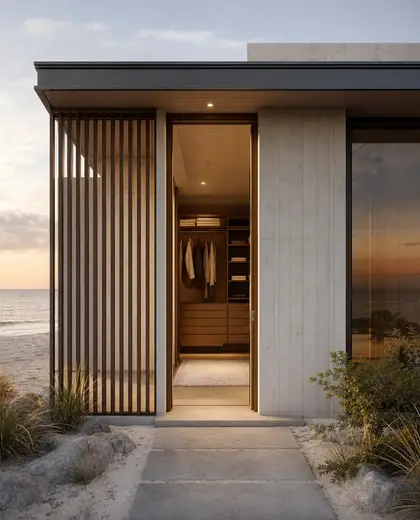
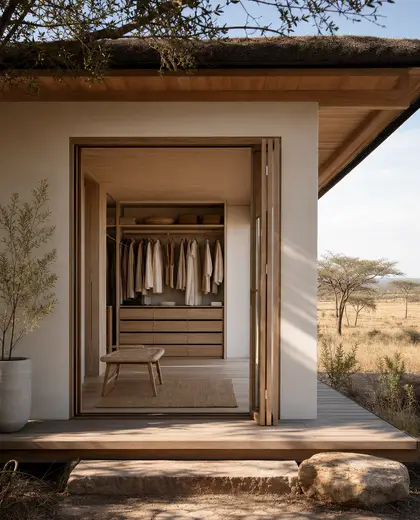
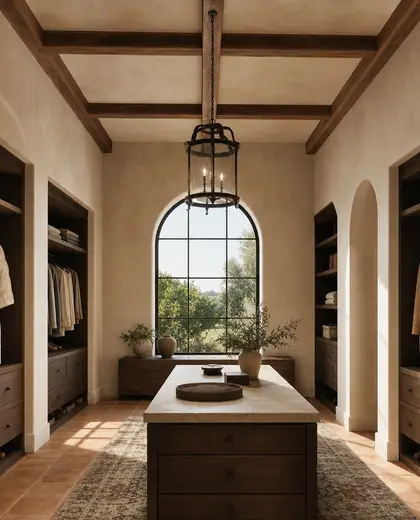
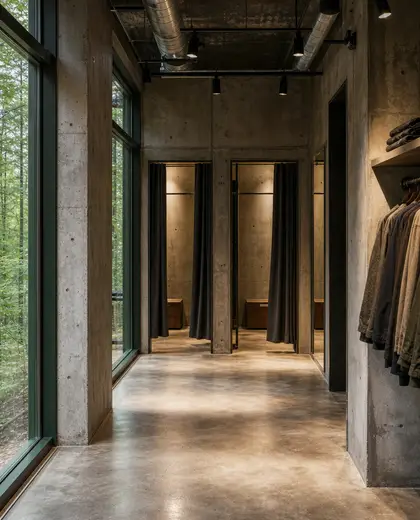
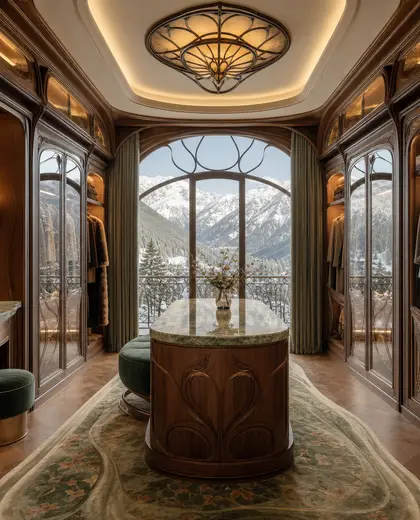
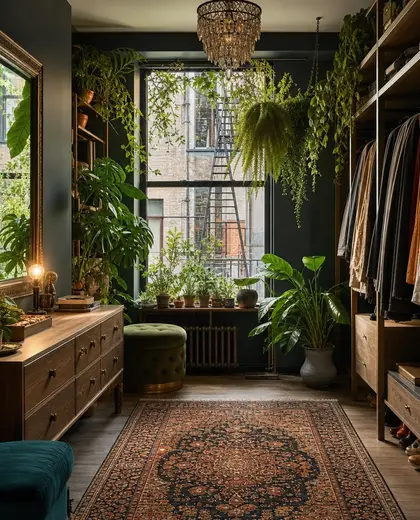
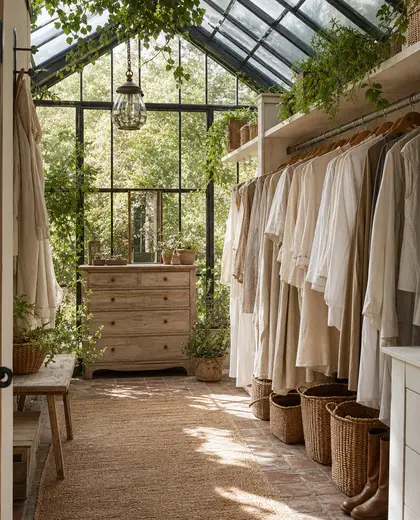
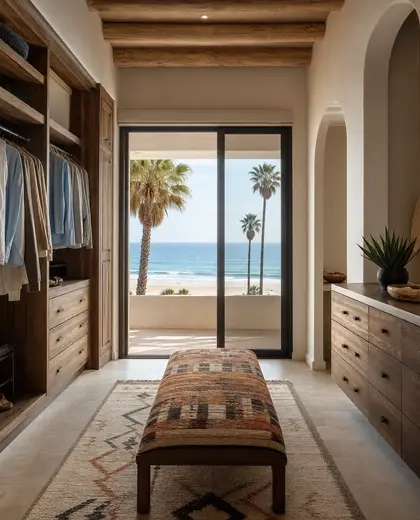
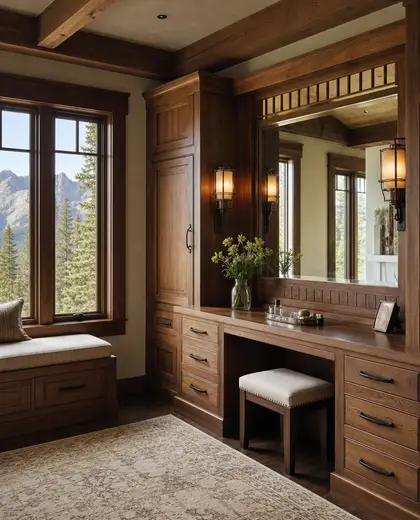
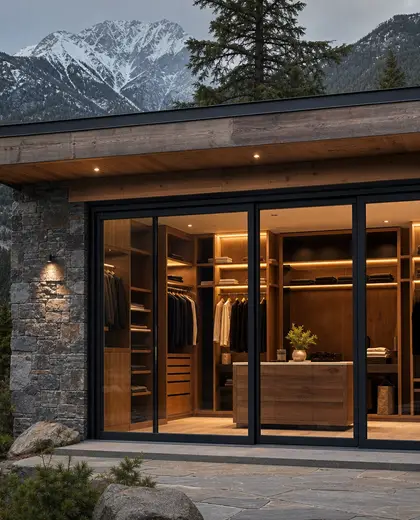
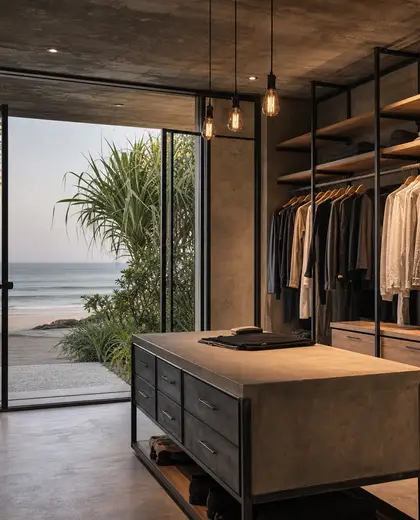
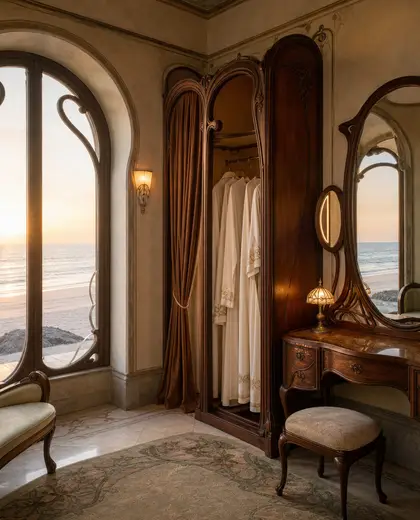
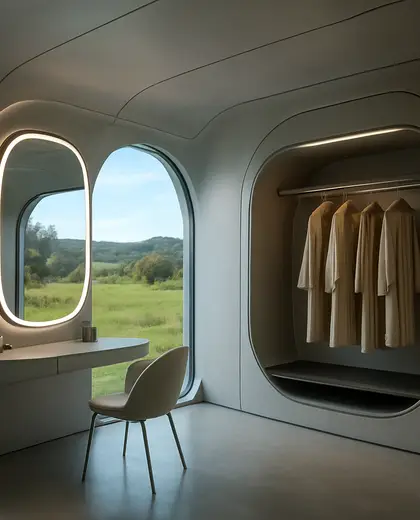
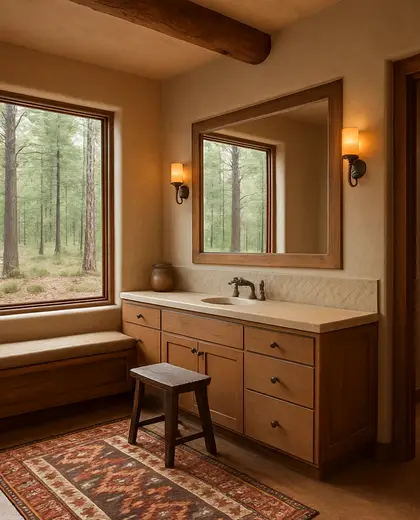
A dressing room is defined by built-in or fitted storage, a clear circulation path, and a mirror-and-seat zone for trying on clothes. Materials are usually smooth and practical: lacquered or painted panels, veneer or wood, glass, metal hardware, and soft upholstery. The palette is typically calm and restrained, with warm neutrals, muted greys, off-whites, and dark accents to keep the space visually organized.
- dressing room
— References
References to explore
How much space does a dressing room need?
It can be compact if storage is planned carefully, but it works best when there is enough width for comfortable movement and door clearance around the wardrobes.

Should a dressing room be closed off or open?
Both are possible. Closed dressing rooms feel calmer and tidier, while open layouts connect better to the bedroom and rely more on careful organization.
What makes a dressing room feel high quality?
Consistent joinery, good lighting, full-height storage, a mirror placed with proper light, and durable finishes that avoid visual clutter.

— The style
What defines it
Lacquered joinery, wood veneer, matte paint, glass, metal handles, and upholstered seating are common.
Neutral and subdued tones work best: white, beige, taupe, grey, soft brown, with occasional black or brass details.
It pairs well with a bedroom suite, en-suite bathroom, walk-in wardrobe, or a compact makeup and grooming area.
— Professionals
Who has already built it
- LoftRobejoiners · Guildford · 4 projectsView profile →
- Beneito Faurelighting designers · 2 projectsView profile →
- Lusso Stonetile suppliers · Stocktonontees · 7 projectsView profile →
- elizabeth bee interior deinterior designers · 4 projectsView profile →
— Explore
Keep exploring
— Questions
Frequently asked questions
How much space does a dressing room need?
It can be compact if storage is planned carefully, but it works best when there is enough width for comfortable movement and door clearance around the wardrobes.
Should a dressing room be closed off or open?
Both are possible. Closed dressing rooms feel calmer and tidier, while open layouts connect better to the bedroom and rely more on careful organization.
What makes a dressing room feel high quality?
Consistent joinery, good lighting, full-height storage, a mirror placed with proper light, and durable finishes that avoid visual clutter.