— Ideas & inspiration
Edging
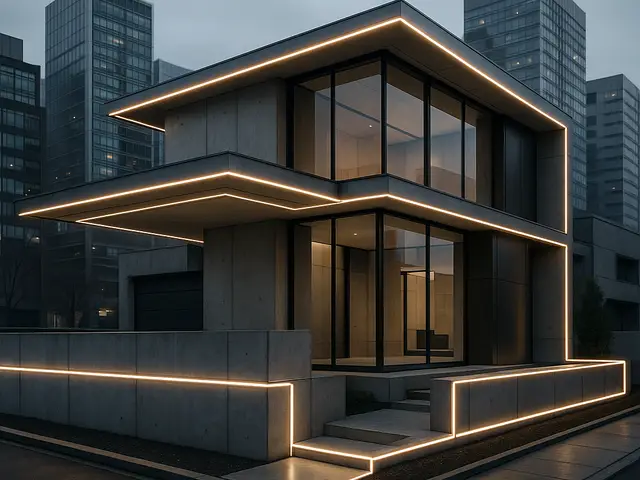
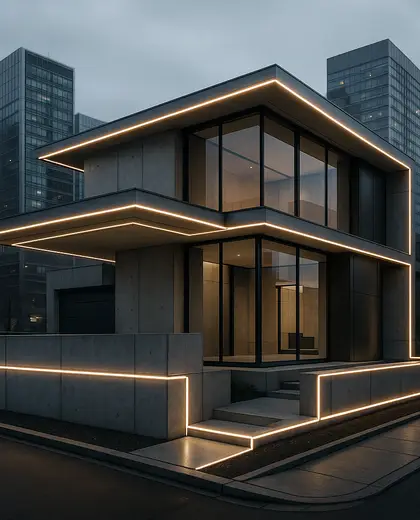
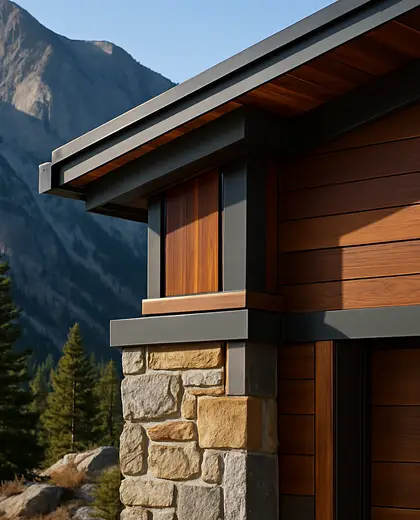
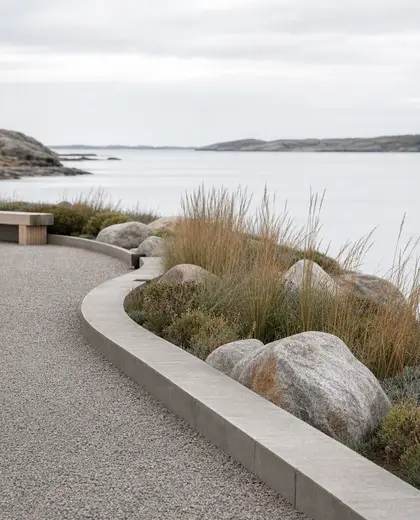
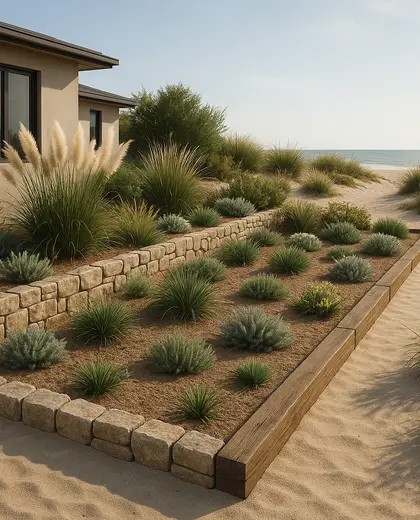
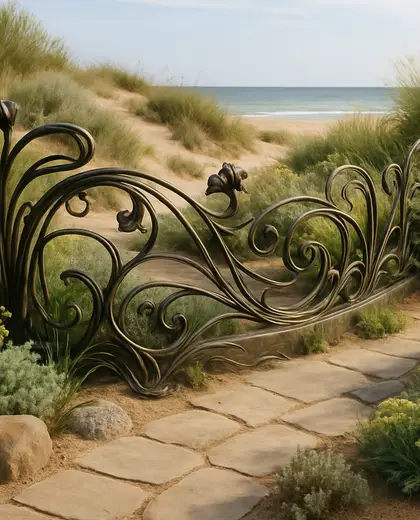
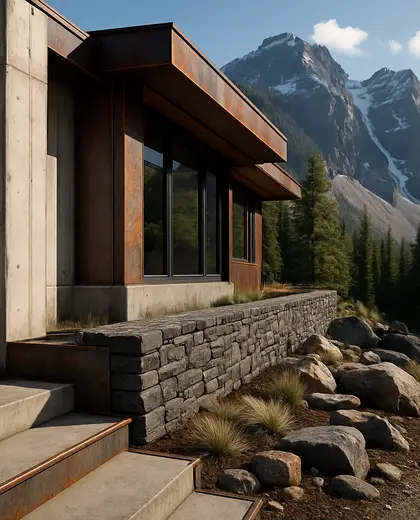
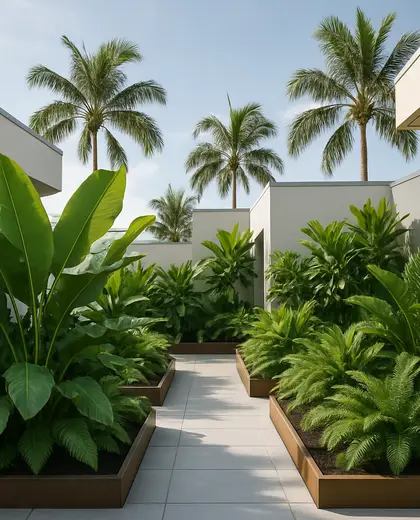
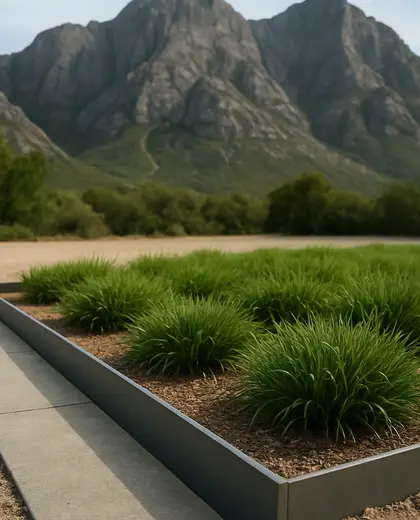
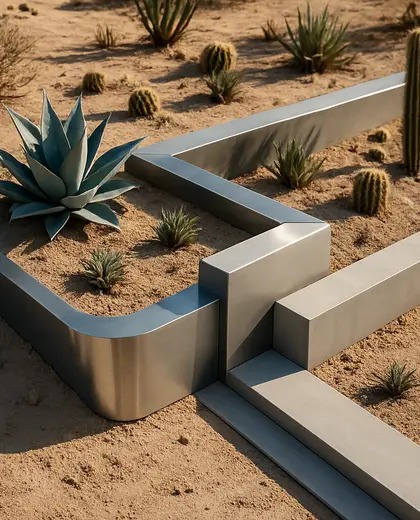
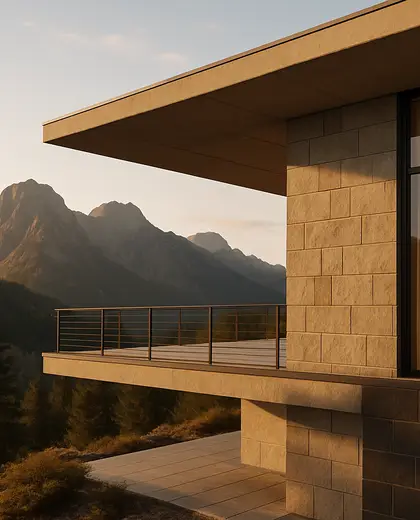
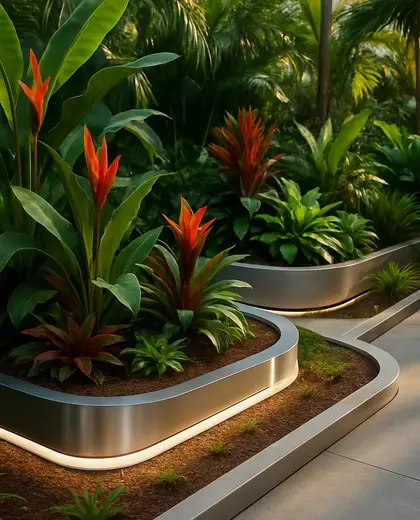
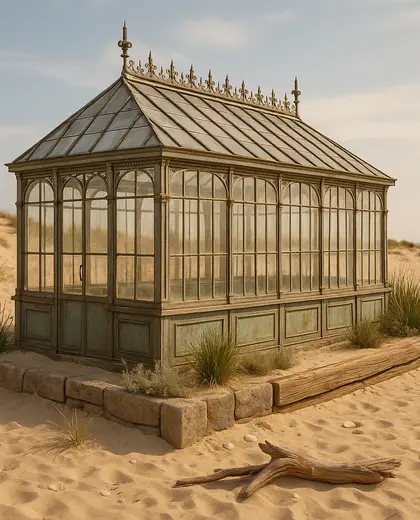
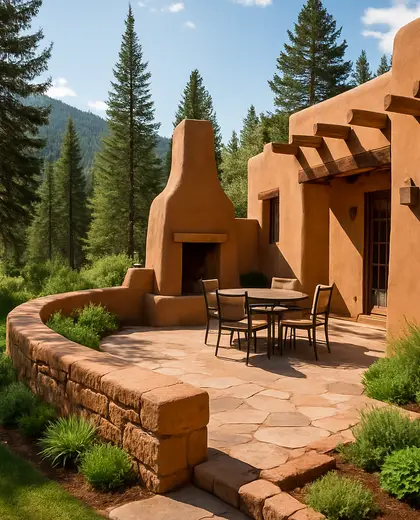
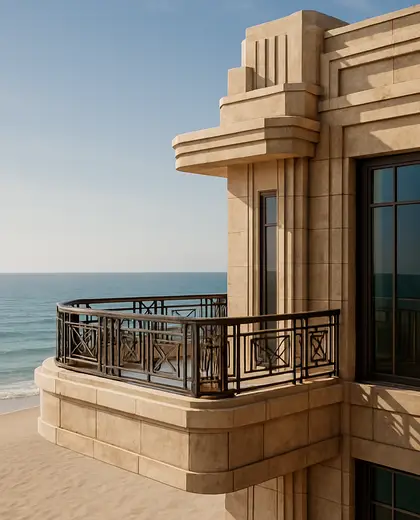
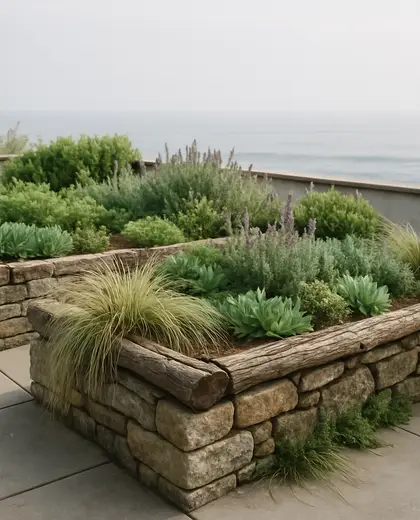
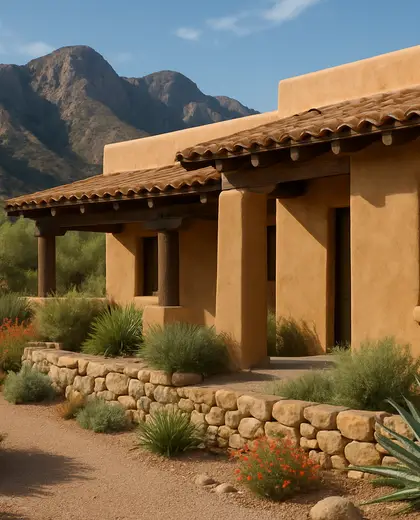
Edging is defined by clean, continuous border lines that frame a surface, path, bed, or opening and give the composition a finished edge. It is typically made with stone, concrete, metal, brick, or timber, chosen for crisp geometry, durability, and a neat transition between materials. The look is usually restrained and structured, with the edge itself acting as the main visual detail rather than ornament.
- edging
— References
References to explore
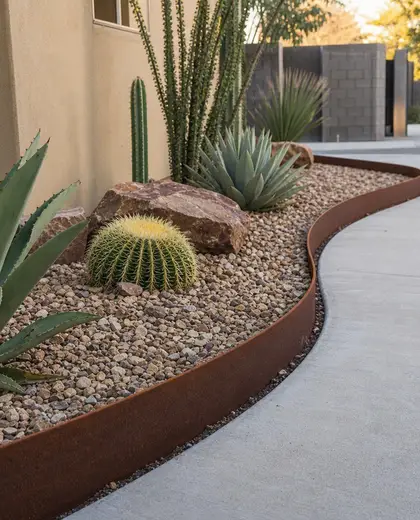
What is edging used for in a home landscape or exterior?
Edging separates one surface from another, keeps loose materials in place, and creates a more defined line between paths, beds, lawns, and paved areas.
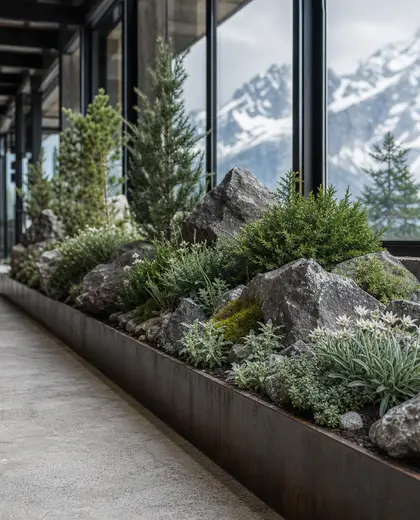
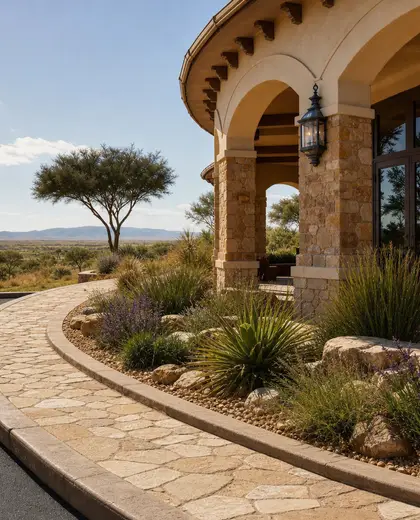
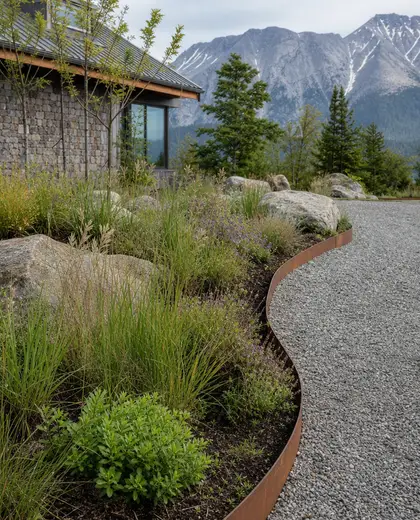
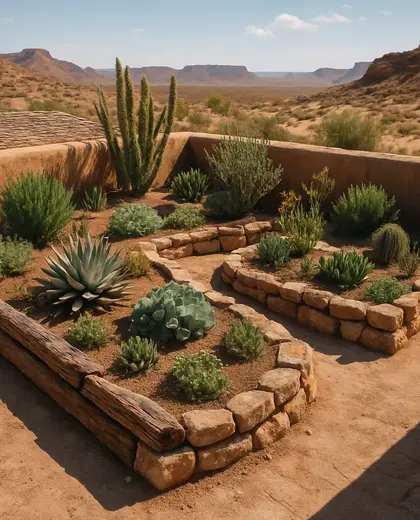
Which edging material is best for a modern look?
Metal and concrete usually read as the most modern because they create thin, precise lines and pair well with simple paving and planting.
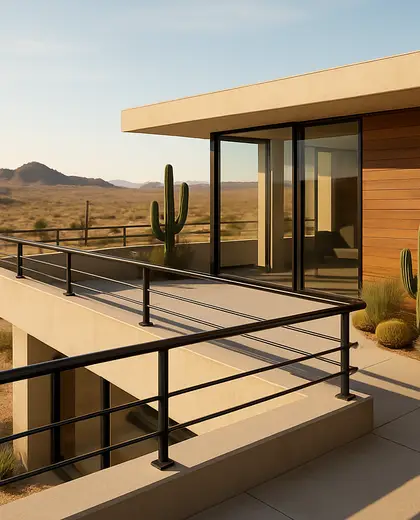
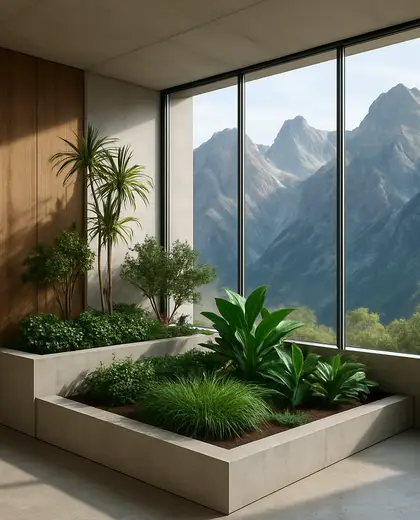
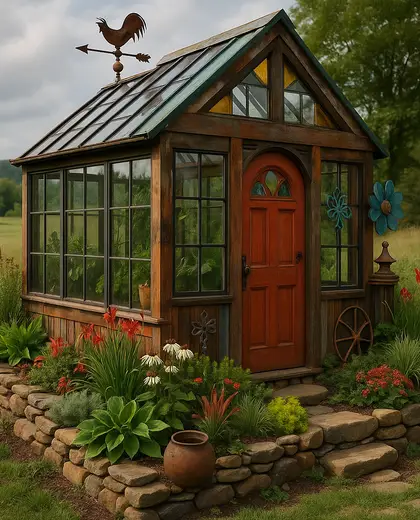
Does edging have to match the rest of the house?
It does not need to match exactly, but it should coordinate with nearby materials and colors so the border feels intentional rather than added on.
— The style
What defines it
Stone, cast concrete, steel, aluminum, brick, and treated timber are the most common edging materials.
Usually neutral and grounded: gray, charcoal, black, weathered brown, and muted earth tones.
Works well with paving, gravel, lawn, planting beds, steps, retaining edges, and minimalist façades.
— Professionals
Who has already built it
- vorbild architecturearchitects · 6 projectsView profile →
- kerem erbagci3d renderers · London · 9 projectsView profile →
- paquis norris group limitedbuilders · Reading · 3 projectsView profile →
- LoftRobejoiners · Guildford · 4 projectsView profile →
— Explore
Keep exploring
— Questions
Frequently asked questions
What is edging used for in a home landscape or exterior?
Edging separates one surface from another, keeps loose materials in place, and creates a more defined line between paths, beds, lawns, and paved areas.
Which edging material is best for a modern look?
Metal and concrete usually read as the most modern because they create thin, precise lines and pair well with simple paving and planting.
Does edging have to match the rest of the house?
It does not need to match exactly, but it should coordinate with nearby materials and colors so the border feels intentional rather than added on.