— Ideas & inspiration
Forest composition
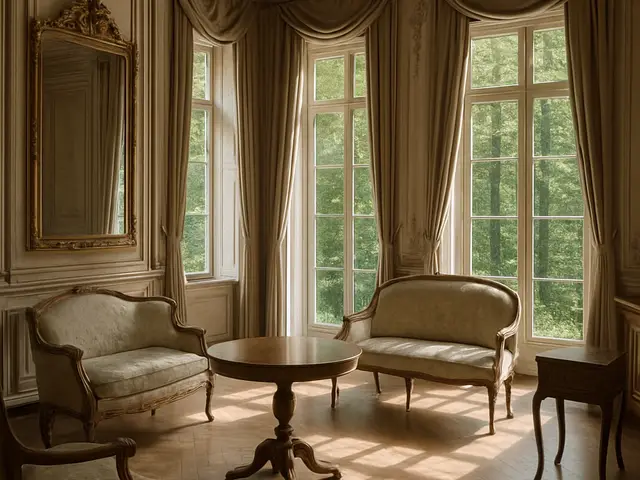
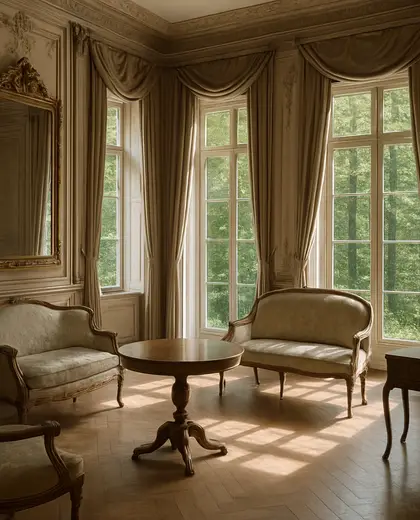
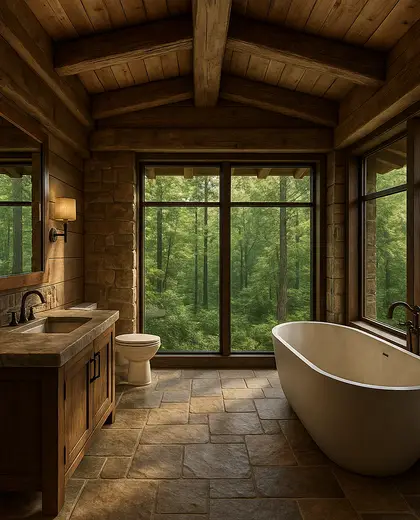
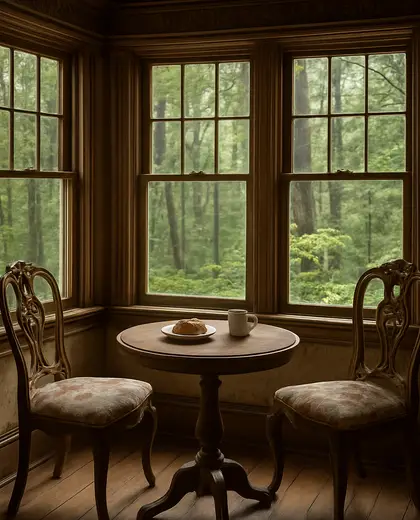
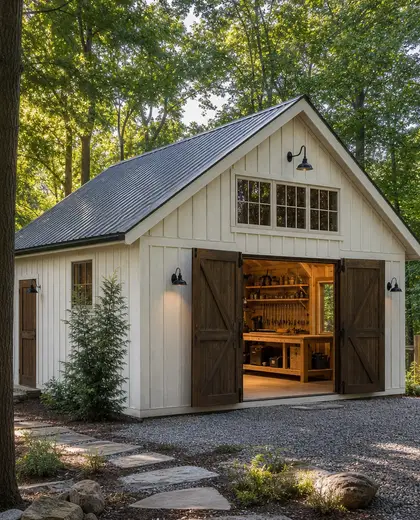
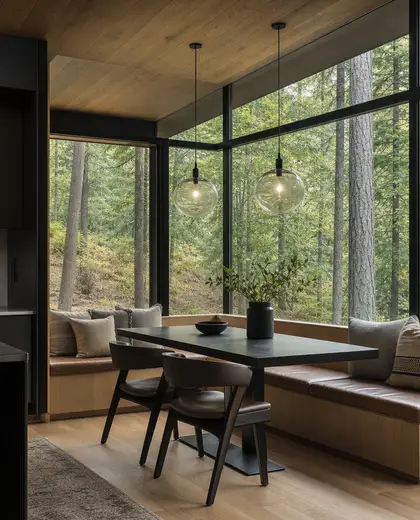
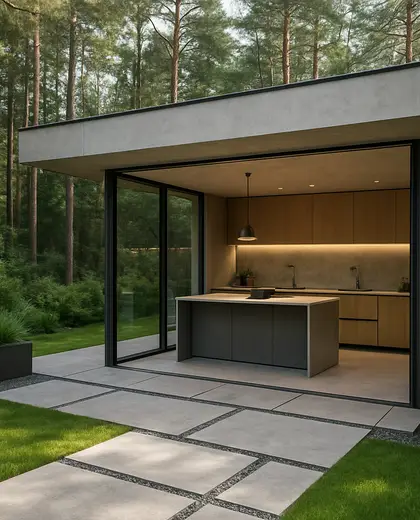
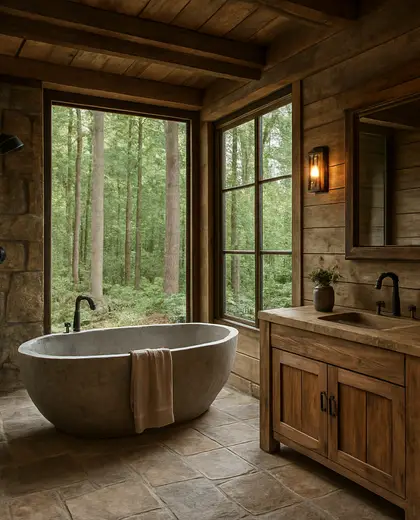
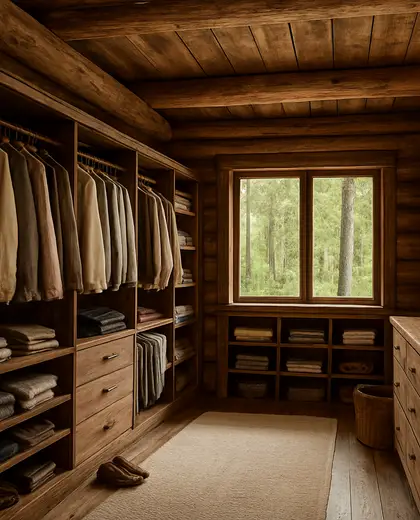
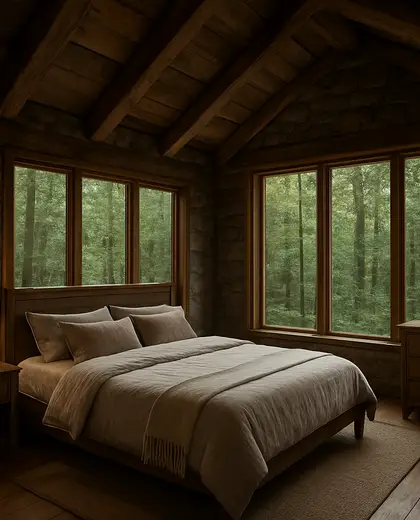
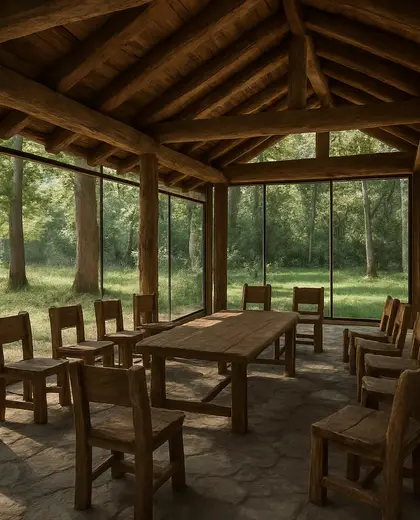
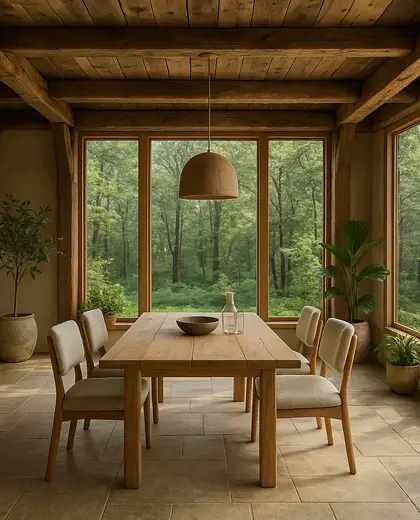
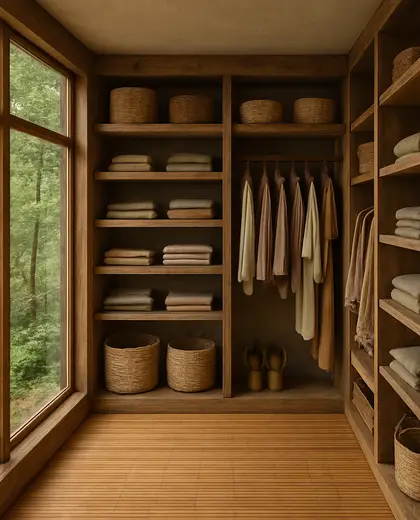
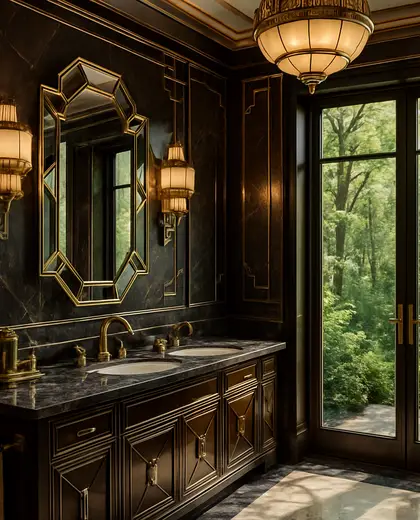
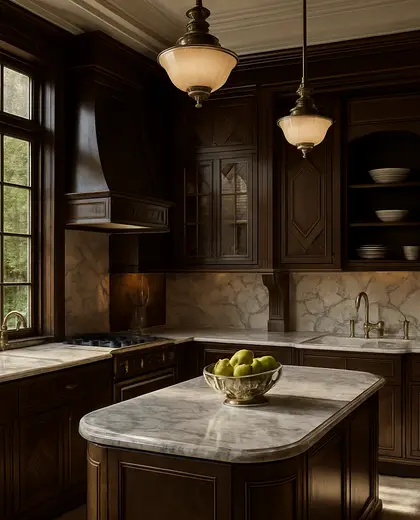
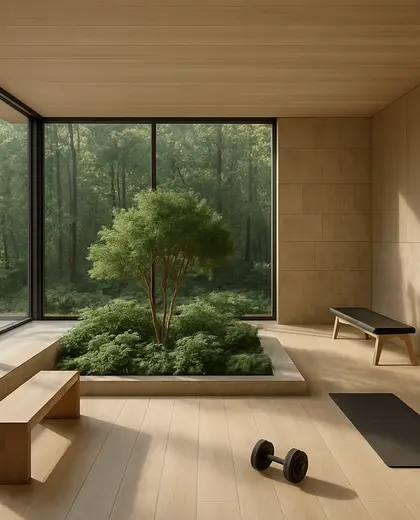
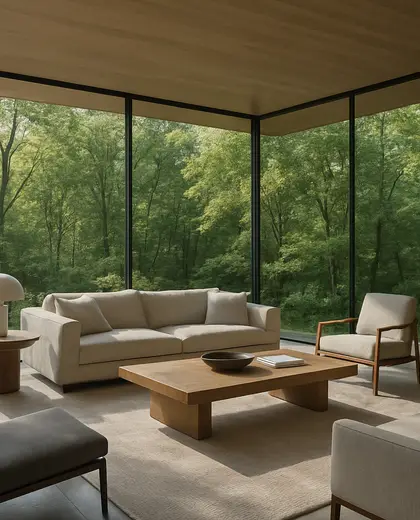
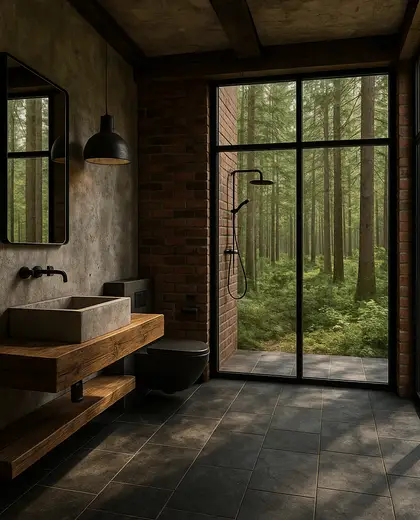
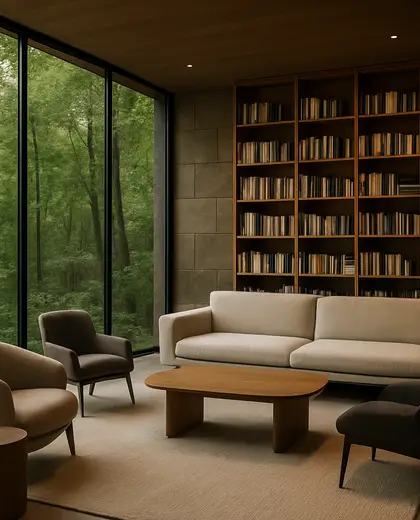
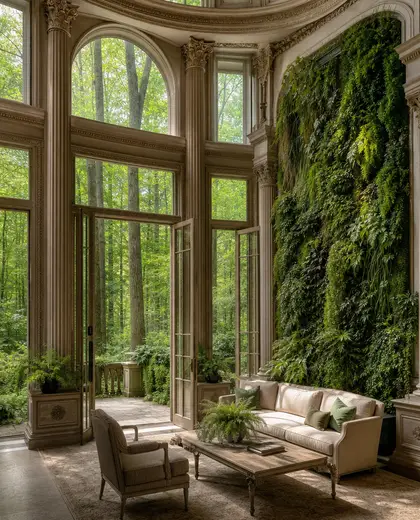
The forest composition uses natural timber, stone, linen, and matte metals to create a grounded, layered interior. Its palette centers on deep greens, moss, bark browns, charcoal, and muted earth tones, often softened by warm neutrals. The look is defined by organic textures, planted greenery, and a close relationship to daylight and natural surfaces.
- forest
— References
References to explore
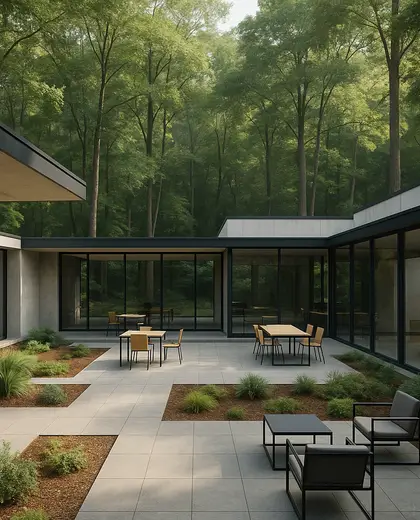
Does a forest composition make a room feel dark?
It can if the room has little daylight or the palette is too heavy. In practice, the composition is usually balanced with warm neutrals, lighter wood tones, and reflective surfaces to keep the room readable.
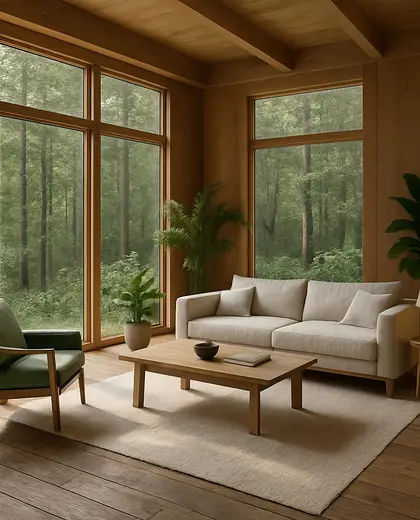
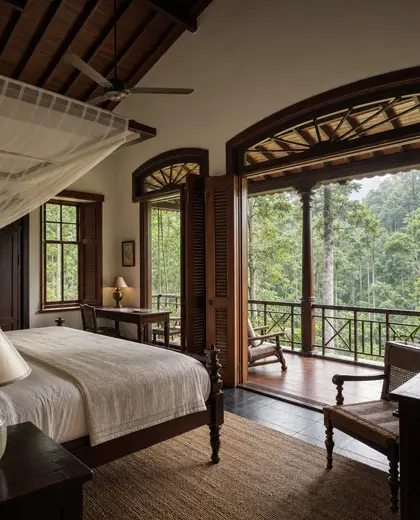
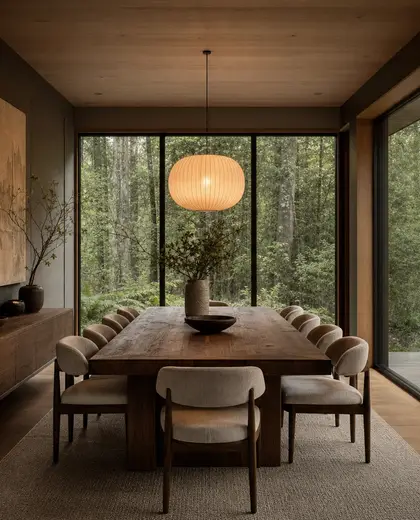

What finishes fit this style best?
Natural, low-sheen finishes fit best: oiled wood, honed stone, matte paint, textured fabric, and patinated metal. High gloss and overly polished surfaces usually feel out of place.
Can I use this composition in a small home?
Yes, but it works best when the dark greens are used selectively and paired with lighter base surfaces. In smaller spaces, one accent wall, a few timber elements, and plants are often enough to establish the mood without overwhelming the room.
— The style
What defines it
Oak or walnut wood, natural stone, limewash, linen, wool, and blackened or brushed metal.
Forest green, moss, olive, bark brown, charcoal, clay, beige, and warm off-white.
Works well with Japandi, rustic modern, biophilic, and quiet contemporary interiors.
— Professionals
Who has already built it
- maria mateaarchitects · London · 7 projectsView profile →
- kerem erbagci3d renderers · London · 9 projectsView profile →
- paquis norris group limitedbuilders · Reading · 3 projectsView profile →
- LoftRobejoiners · Guildford · 4 projectsView profile →
— Explore
Keep exploring
— Questions
Frequently asked questions
Does a forest composition make a room feel dark?
It can if the room has little daylight or the palette is too heavy. In practice, the composition is usually balanced with warm neutrals, lighter wood tones, and reflective surfaces to keep the room readable.
What finishes fit this style best?
Natural, low-sheen finishes fit best: oiled wood, honed stone, matte paint, textured fabric, and patinated metal. High gloss and overly polished surfaces usually feel out of place.
Can I use this composition in a small home?
Yes, but it works best when the dark greens are used selectively and paired with lighter base surfaces. In smaller spaces, one accent wall, a few timber elements, and plants are often enough to establish the mood without overwhelming the room.