— Ideas & inspiration
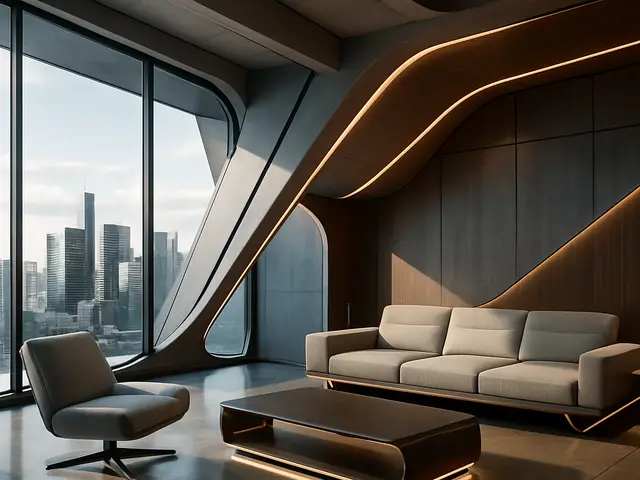
Futuristic composition
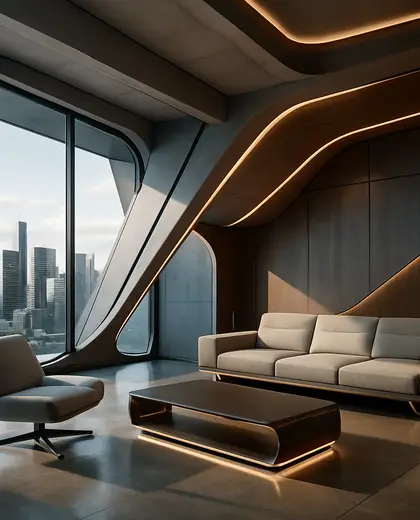
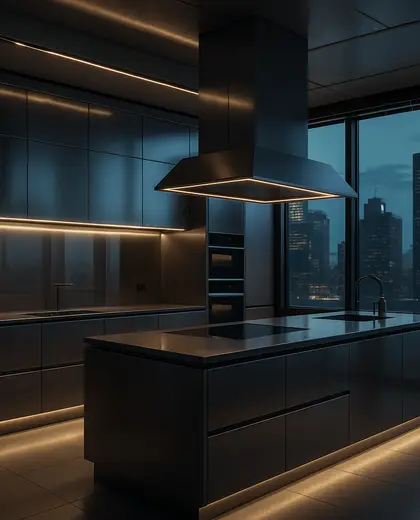
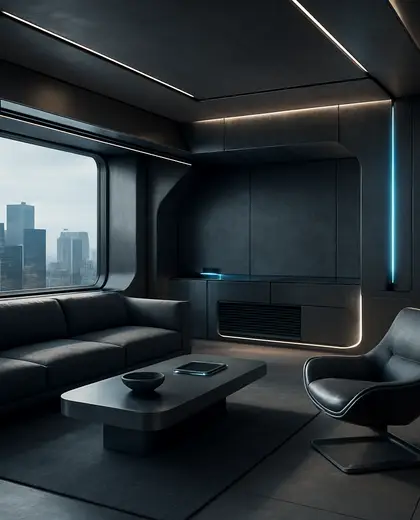
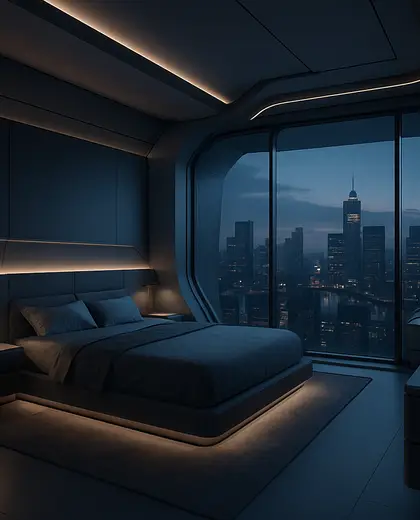
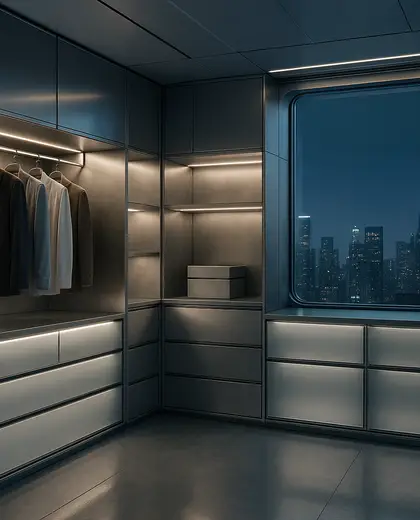
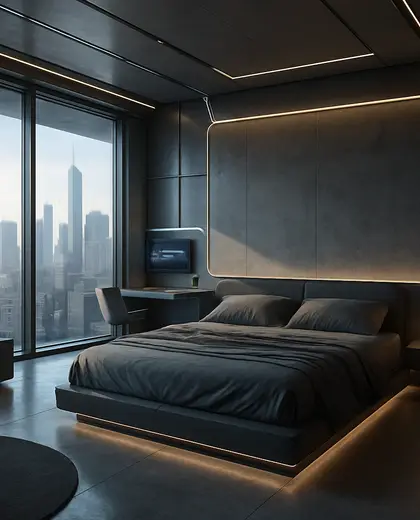
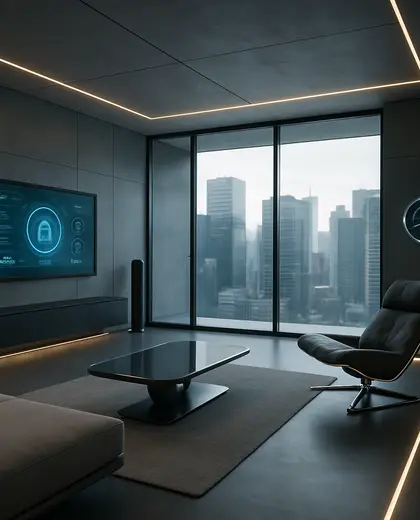
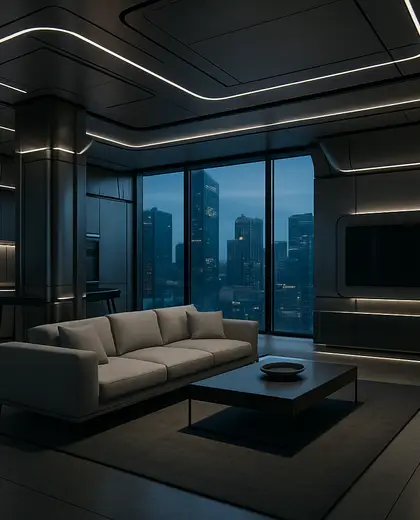
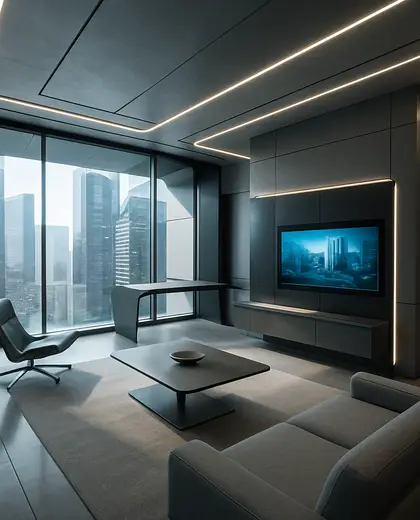
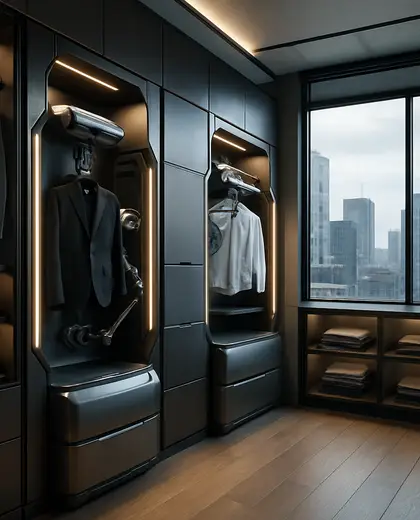
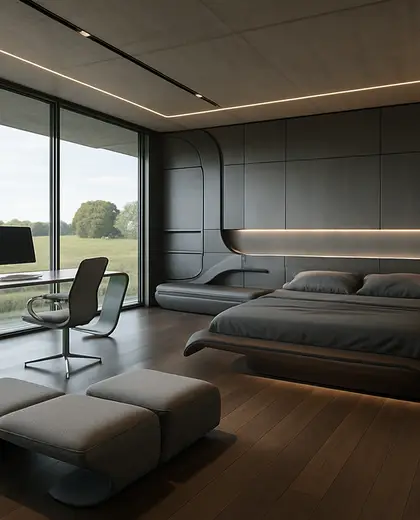
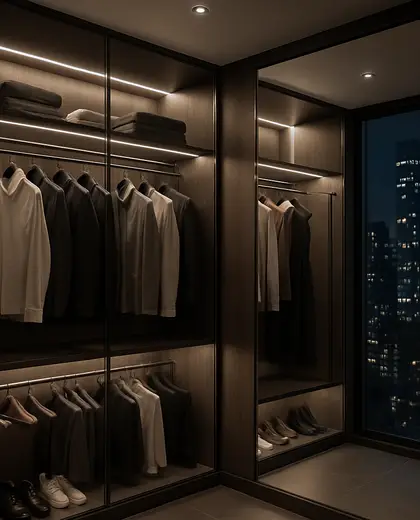
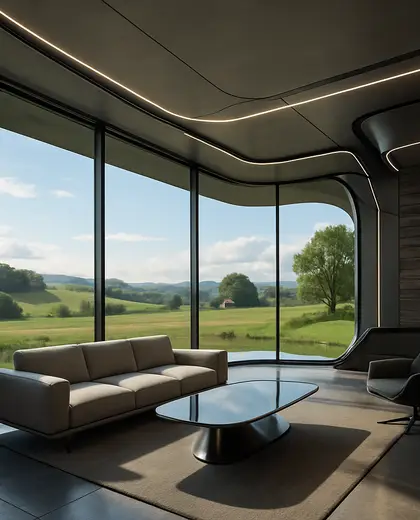
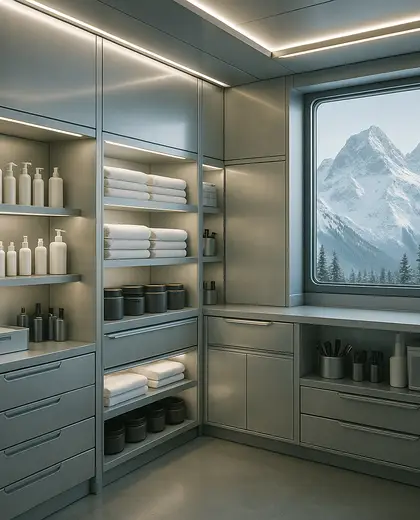
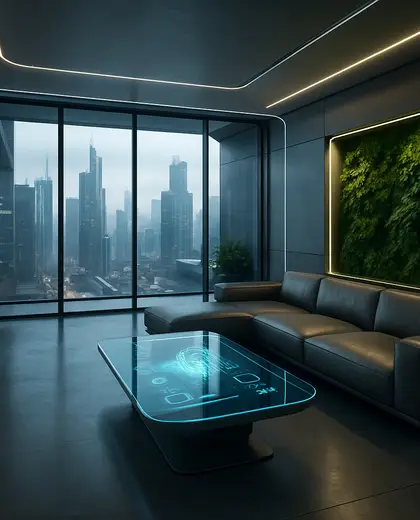
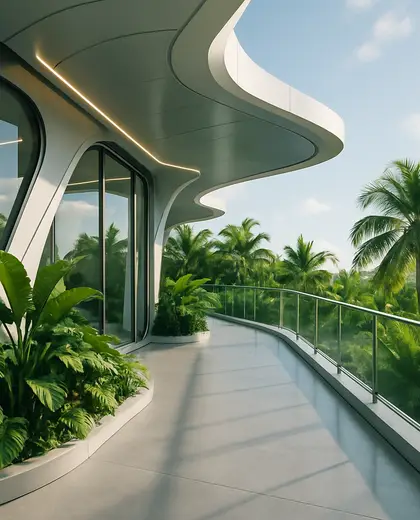
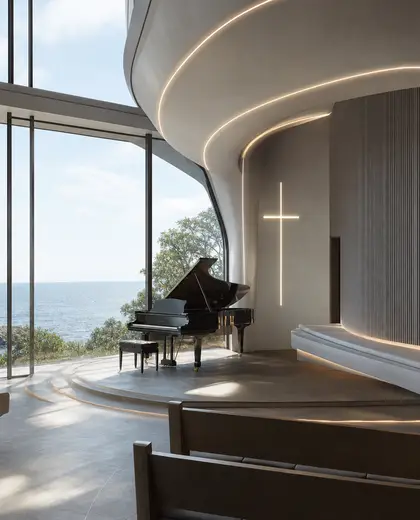
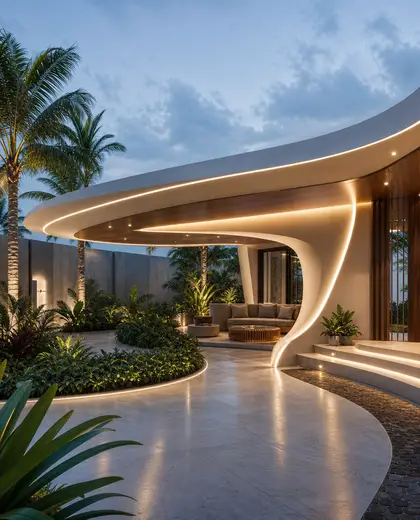
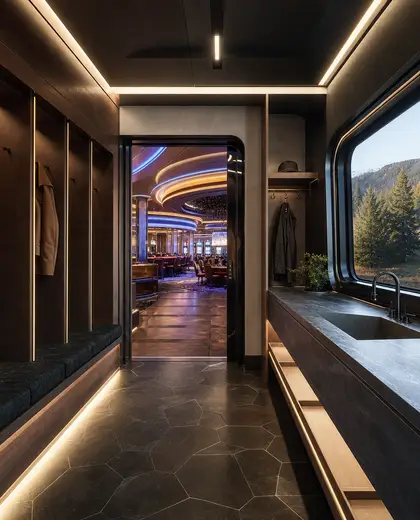
A futuristic composition uses sleek, high-performance materials such as glass, metal, polished concrete, and composite panels. The palette is usually cool and restrained, built around white, gray, black, chrome, and occasional neon or high-contrast accents. Its defining elements are clean lines, bold geometric forms, integrated lighting, and smooth, minimal surfaces.
- futuristic
— References
References to explore
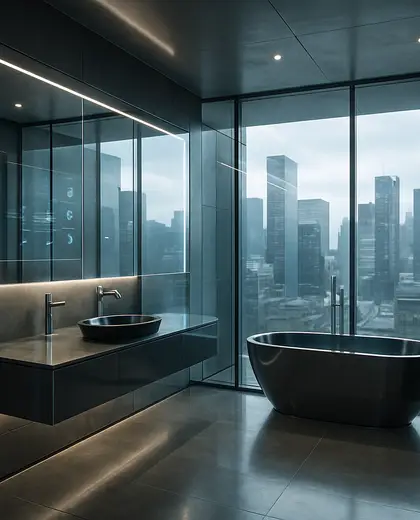
Does a futuristic style always look cold or sterile?
Not necessarily. It often feels clean and structured, but warmer lighting, textured surfaces, and a few softer furnishings can make it more livable.
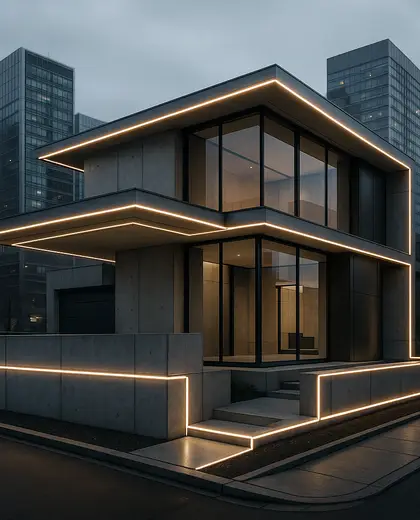
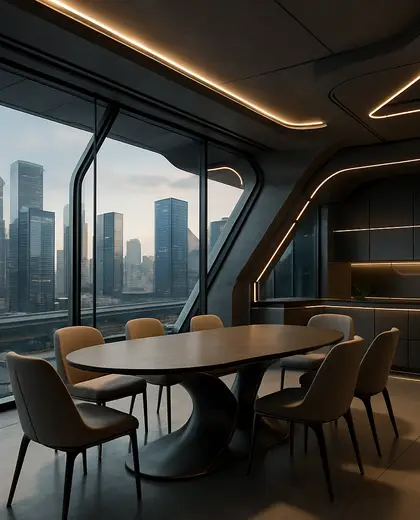
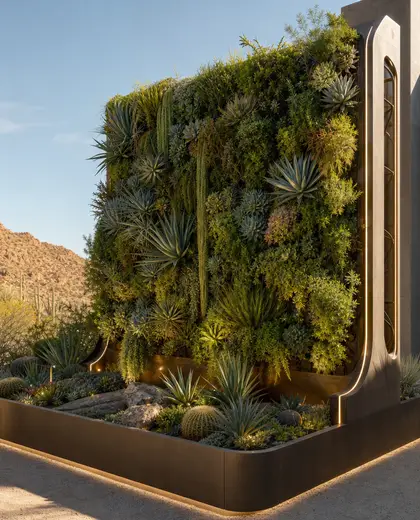
What materials should I use to get this look at home?
Start with smooth surfaces such as glass, metal, lacquered finishes, and concrete, then add slim-profile furniture and integrated lighting. The effect depends more on the finish and simplicity than on expensive materials.
Can futuristic design work in a small house or apartment?
Yes. It can work especially well in smaller spaces because its clean lines, light-reflecting surfaces, and built-in storage can make rooms feel more open and uncluttered.

— The style
What defines it
Glass, steel, aluminum, concrete, acrylic, and engineered panels are common, often finished with glossy or satin surfaces.
Mostly cool neutrals like white, charcoal, silver, and black, sometimes sharpened with blue, violet, or other luminous accents.
Works well with minimalist, industrial, high-tech, and contemporary interiors, especially when paired with hidden lighting and precise detailing.
— Professionals
Who has already built it
- vorbild architecturearchitects · 6 projectsView profile →
- kerem erbagci3d renderers · London · 9 projectsView profile →
- paquis norris group limitedbuilders · Reading · 3 projectsView profile →
- LoftRobejoiners · Guildford · 4 projectsView profile →
— Explore
Keep exploring
— Questions
Frequently asked questions
Does a futuristic style always look cold or sterile?
Not necessarily. It often feels clean and structured, but warmer lighting, textured surfaces, and a few softer furnishings can make it more livable.
What materials should I use to get this look at home?
Start with smooth surfaces such as glass, metal, lacquered finishes, and concrete, then add slim-profile furniture and integrated lighting. The effect depends more on the finish and simplicity than on expensive materials.
Can futuristic design work in a small house or apartment?
Yes. It can work especially well in smaller spaces because its clean lines, light-reflecting surfaces, and built-in storage can make rooms feel more open and uncluttered.