— Ideas & inspiration
Hallway design that feels calm and considered
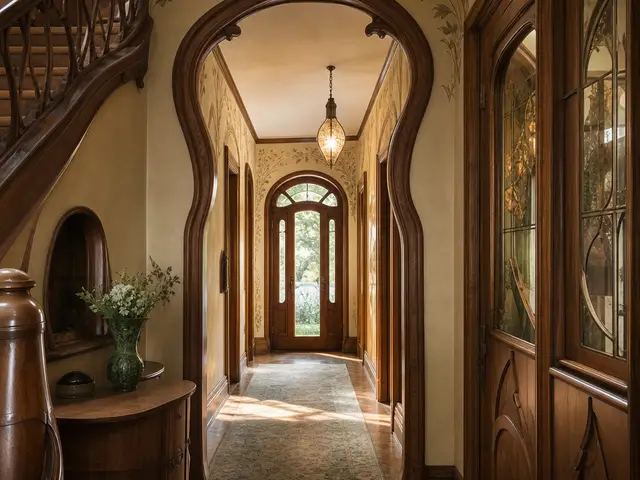
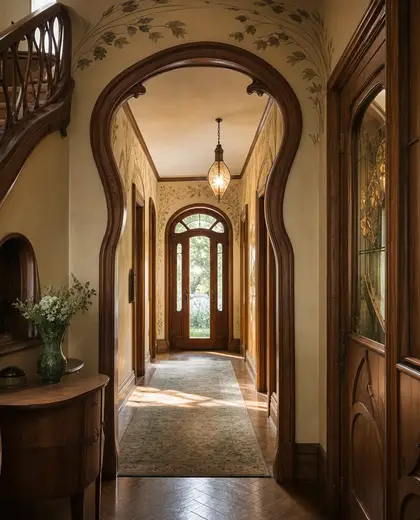
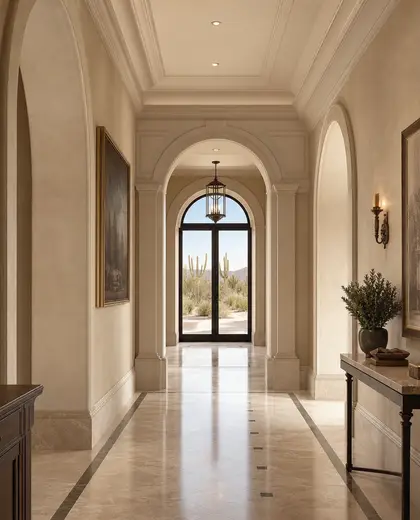
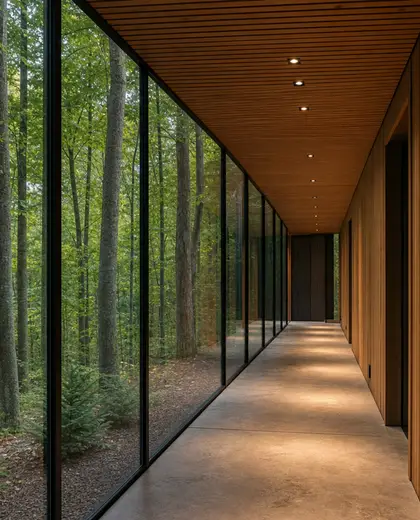
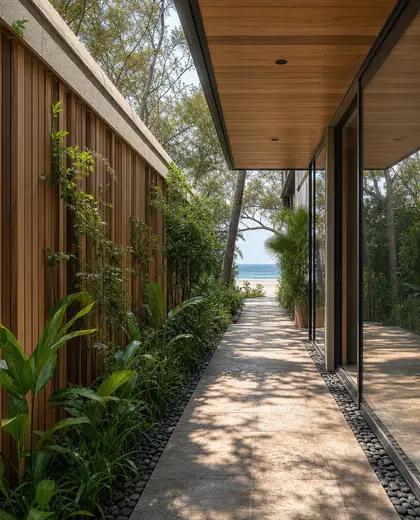
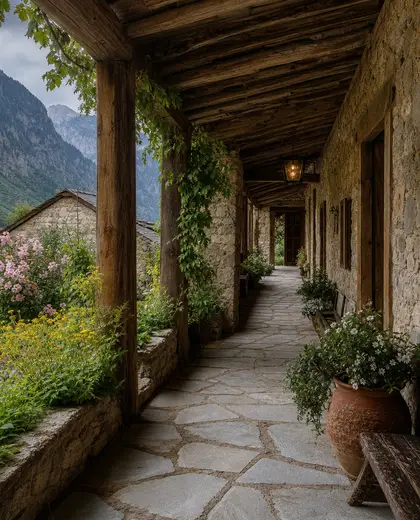
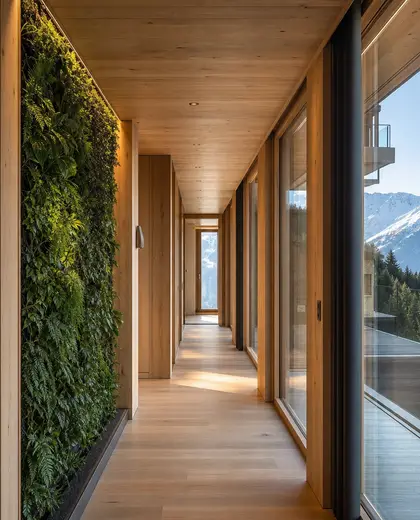
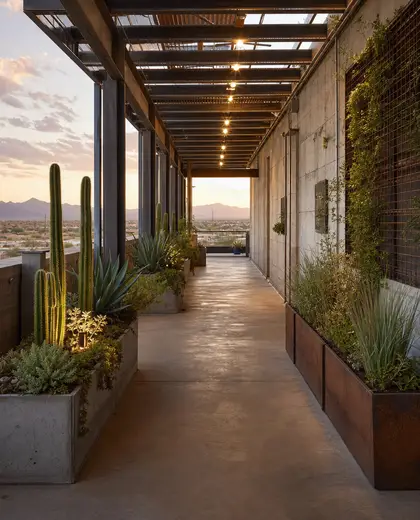
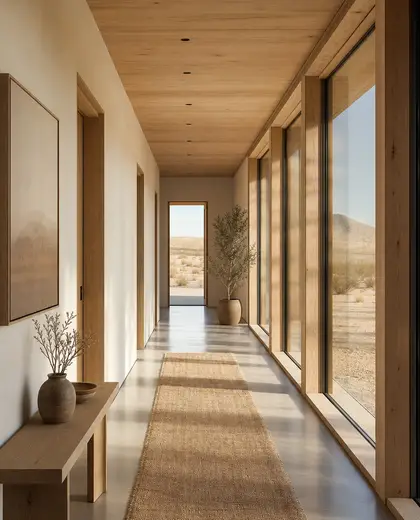
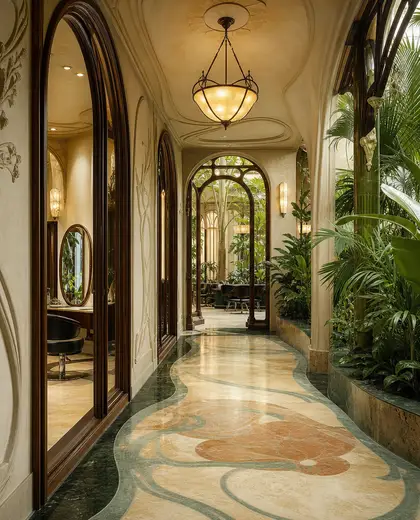
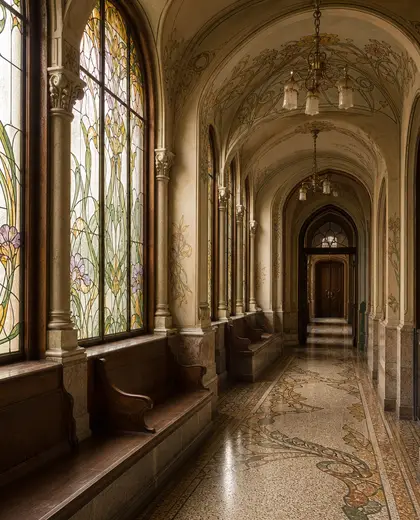
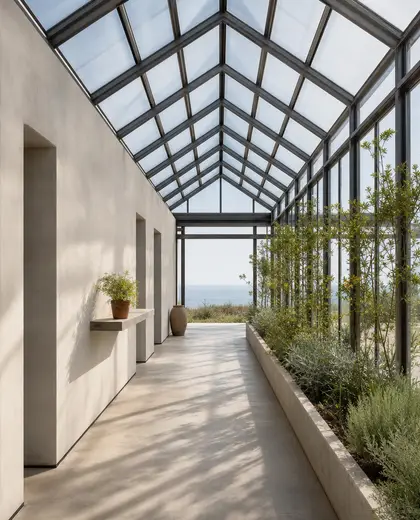
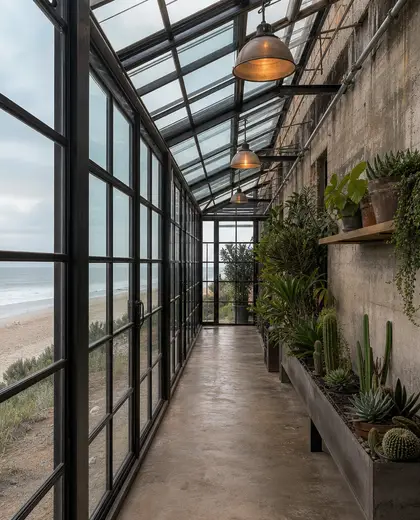
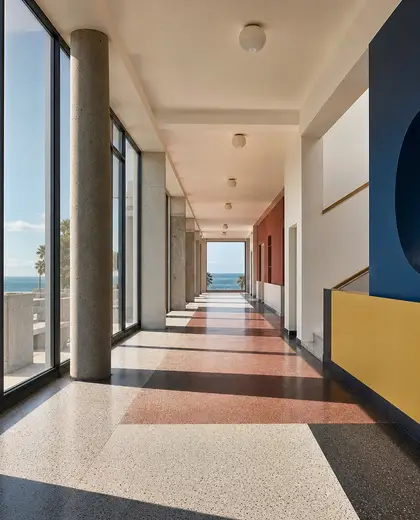
A hallway composition is defined by durable finishes, clear circulation, and a restrained visual rhythm. Common materials include painted plaster, timber flooring, stone tile, and integrated joinery, with lighting and wall detail used to shape depth. The palette is usually quiet and continuous, so the space feels connected to the rooms around it rather than isolated.
- hallway
— References
References to explore

How can a hallway feel wider without changing the layout?
Use a light, continuous wall color, slim-profile lighting, reflective or matte-polished surfaces, and flooring that runs lengthwise through the space. Keeping doors and trim visually quiet also helps reduce visual clutter.
What flooring works best in a hallway?
Durable options such as timber, stone, porcelain tile, or hardwearing engineered surfaces work well because hallways see frequent traffic. The best choice usually depends on whether you want a warmer residential feel or a more crisp, durable finish.
How do I make a hallway feel connected to the rest of the house?
Repeat a few elements from adjoining rooms, such as the same flooring, a matching wood tone, or similar trim details. Consistent lighting temperature and a restrained palette also help the hallway feel like part of one sequence.
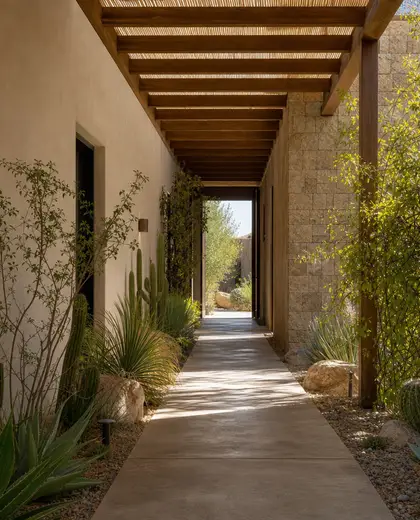
— The style
What defines it
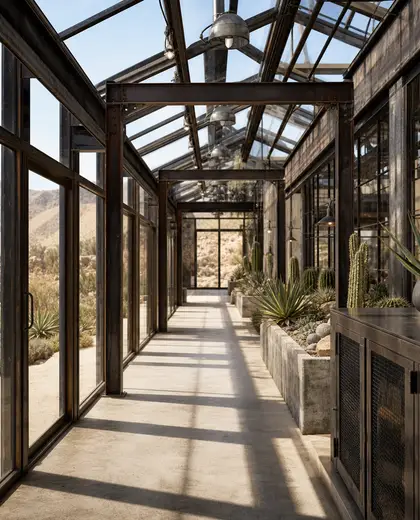
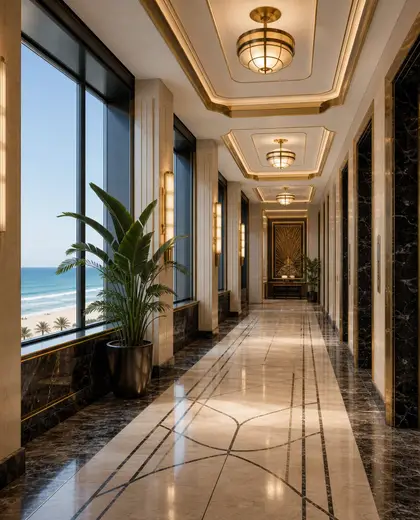
Painted walls, timber, stone, glass, and slim metal details are common choices for a hallway.
Soft neutrals, warm wood tones, and low-contrast finishes help keep the passage bright and cohesive.
Hallways often link with entryways, staircases, storage walls, and door fronts to create a continuous interior sequence.
— Professionals
Who has already built it
- vorbild architecturearchitects · 6 projectsView profile →
- kerem erbagci3d renderers · London · 9 projectsView profile →
- paquis norris group limitedbuilders · Reading · 3 projectsView profile →
- LoftRobejoiners · Guildford · 4 projectsView profile →
— Questions
Frequently asked questions
How can a hallway feel wider without changing the layout?
Use a light, continuous wall color, slim-profile lighting, reflective or matte-polished surfaces, and flooring that runs lengthwise through the space. Keeping doors and trim visually quiet also helps reduce visual clutter.
What flooring works best in a hallway?
Durable options such as timber, stone, porcelain tile, or hardwearing engineered surfaces work well because hallways see frequent traffic. The best choice usually depends on whether you want a warmer residential feel or a more crisp, durable finish.
How do I make a hallway feel connected to the rest of the house?
Repeat a few elements from adjoining rooms, such as the same flooring, a matching wood tone, or similar trim details. Consistent lighting temperature and a restrained palette also help the hallway feel like part of one sequence.