— Ideas & inspiration
Hotel composition
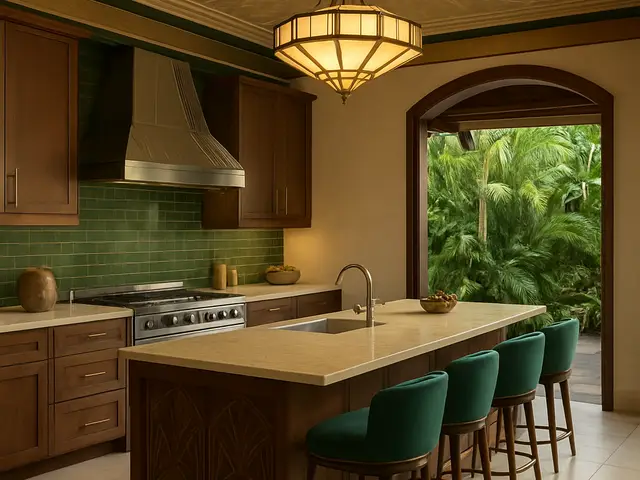
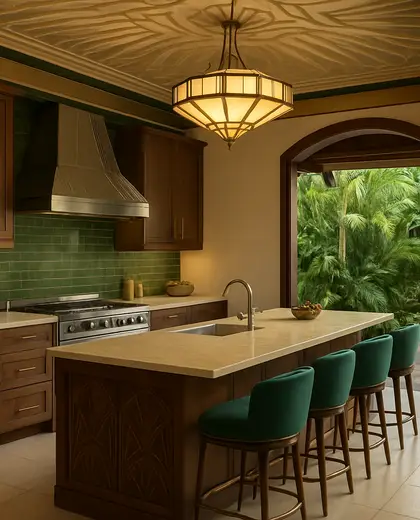
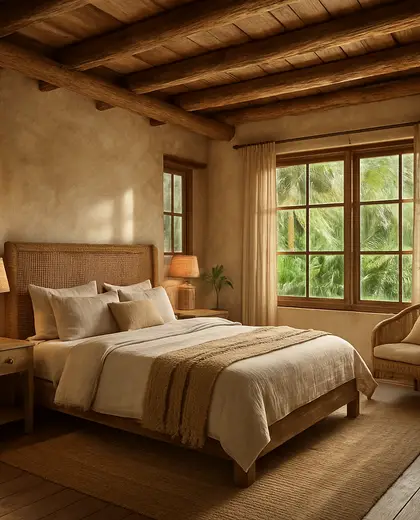
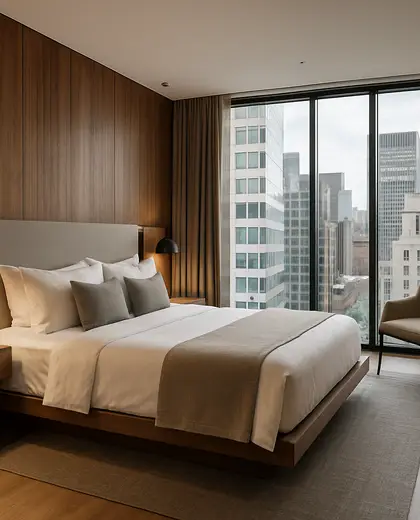
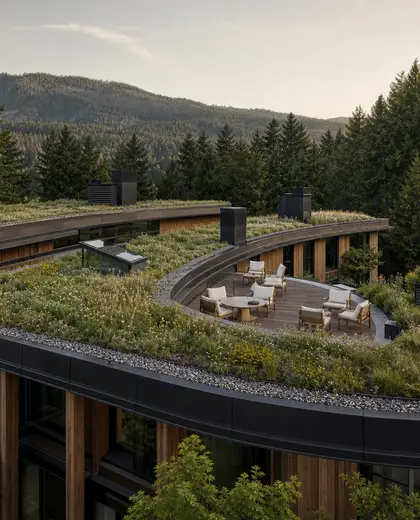
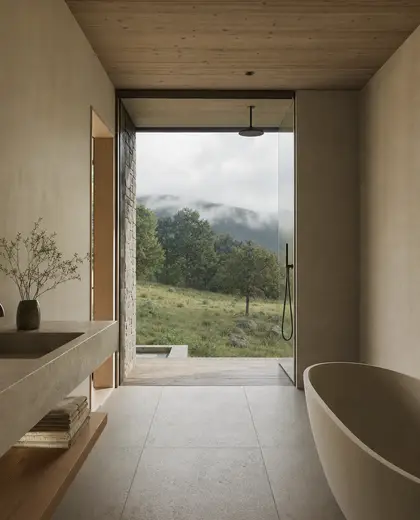
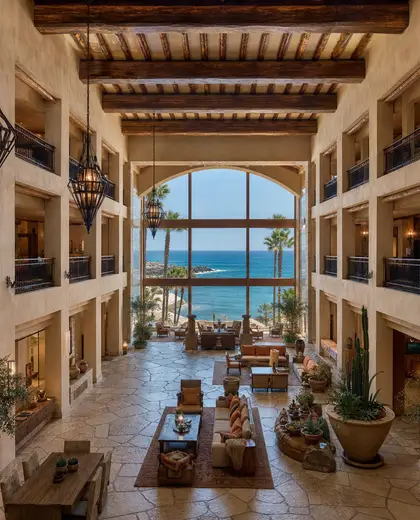
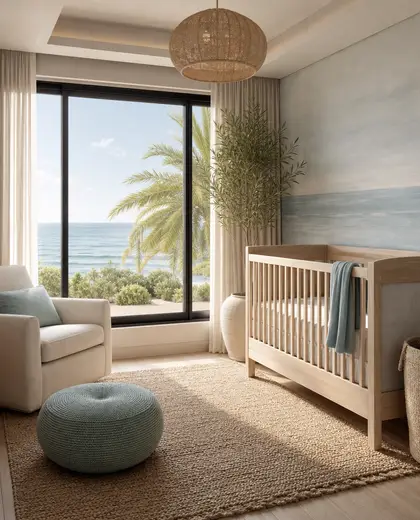
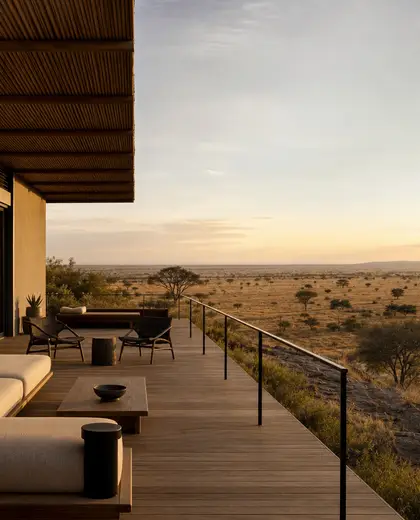
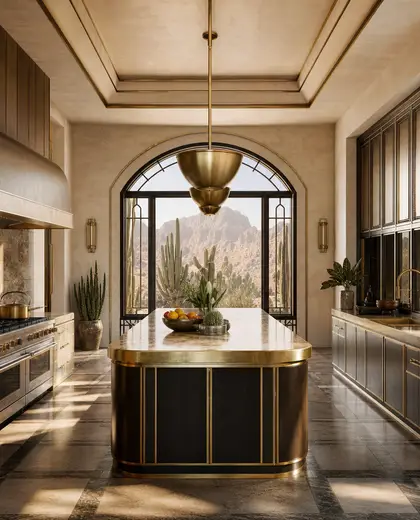
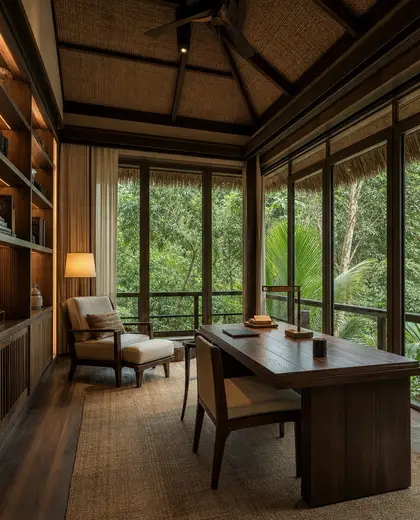
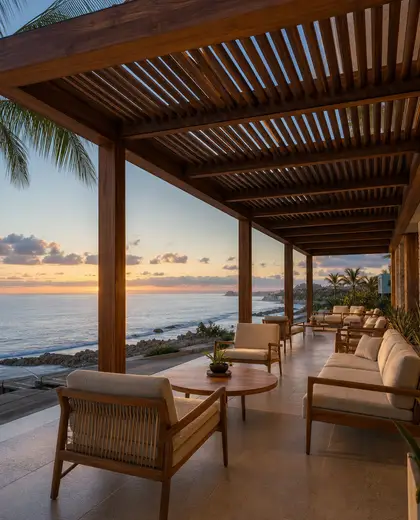
The hotel composition is defined by layered textures, tailored upholstery, warm indirect lighting, and polished finishes such as wood veneer, stone, brass, glass, and boucle. The palette is usually neutral and restrained, with cream, taupe, beige, charcoal, and soft brown used to create a calm, elevated atmosphere. It often includes symmetrical layouts, large headboards, statement pendant lights, and soft drapery to echo the feel of a refined guest suite.
- hotel
— References
References to explore
How do I make a room feel hotel-like without making it look cold?
Use warm neutrals, soft textiles, dimmable lighting, and a few tactile materials like wood, fabric, and stone. Avoid overly glossy surfaces and keep the layout simple and balanced.
What furniture pieces are most typical in this composition?
An upholstered bed or sofa, matching bedside tables, a bench or ottoman, and storage with clean fronts are common. The shapes are usually simple, with a focus on proportion and comfort.
Does this style work in small rooms?
Yes, if the palette stays light and the furniture is scaled carefully. Built-in storage, slim bedside pieces, and layered lighting help the space feel organized rather than crowded.




— The style
What defines it
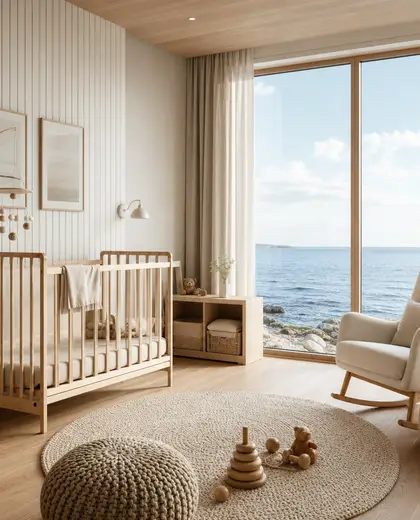
Wood veneer, natural stone, brass or black metal, glass, boucle, velvet, linen, and textured wall finishes.
Warm neutrals like ivory, sand, taupe, camel, greige, and espresso, often accented with muted black or deep bronze.
Works well with contemporary, modern classic, and understated luxury interiors, especially when paired with clean lines and layered lighting.
— Professionals
Who has already built it
- vorbild architecturearchitects · 6 projectsView profile →
- kerem erbagci3d renderers · London · 9 projectsView profile →
- paquis norris group limitedbuilders · Reading · 3 projectsView profile →
- LoftRobejoiners · Guildford · 4 projectsView profile →
— Questions
Frequently asked questions
How do I make a room feel hotel-like without making it look cold?
Use warm neutrals, soft textiles, dimmable lighting, and a few tactile materials like wood, fabric, and stone. Avoid overly glossy surfaces and keep the layout simple and balanced.
What furniture pieces are most typical in this composition?
An upholstered bed or sofa, matching bedside tables, a bench or ottoman, and storage with clean fronts are common. The shapes are usually simple, with a focus on proportion and comfort.
Does this style work in small rooms?
Yes, if the palette stays light and the furniture is scaled carefully. Built-in storage, slim bedside pieces, and layered lighting help the space feel organized rather than crowded.