— Ideas & inspiration
Mediterranean composition
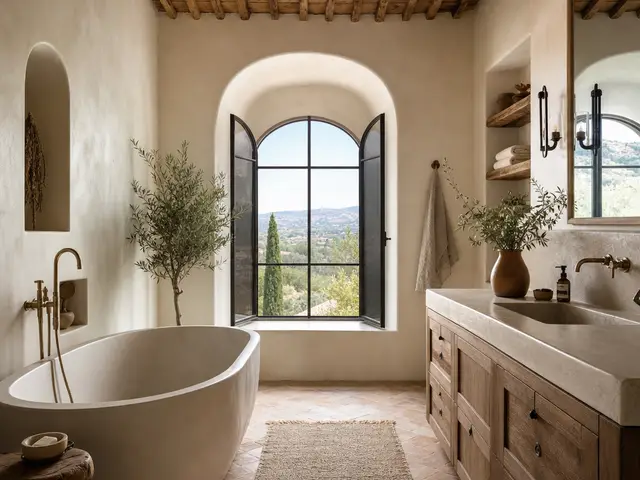
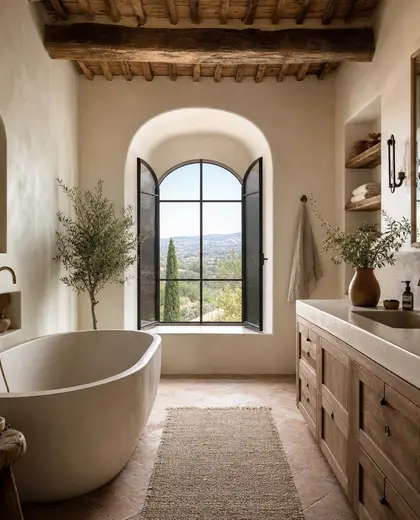
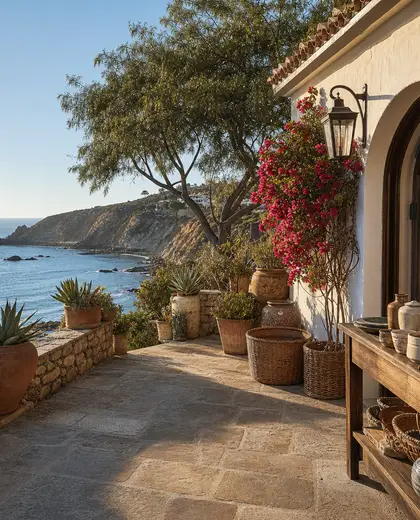
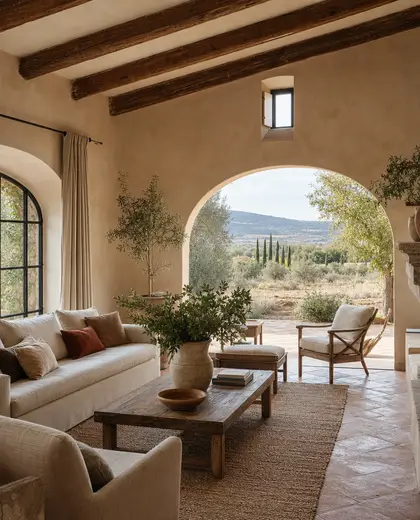
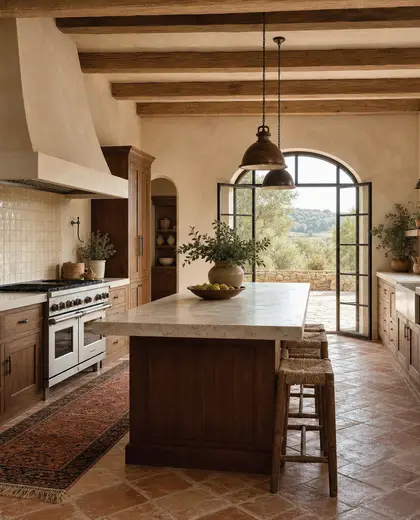
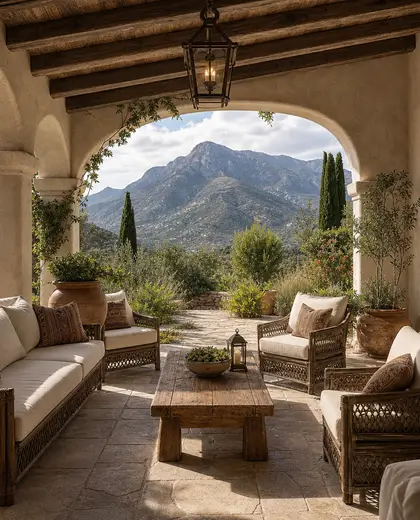
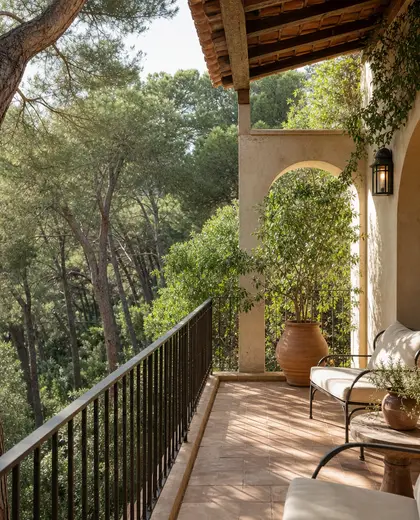
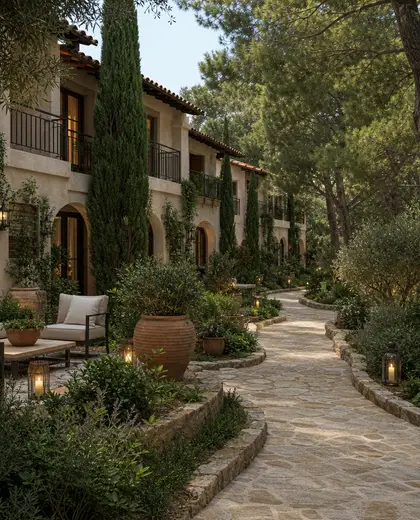
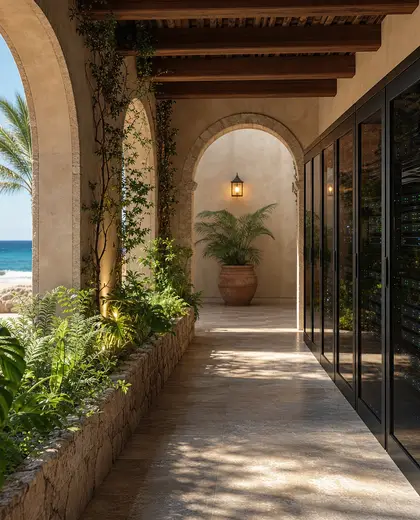
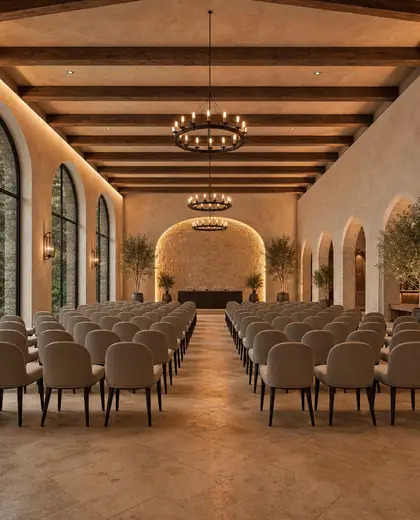
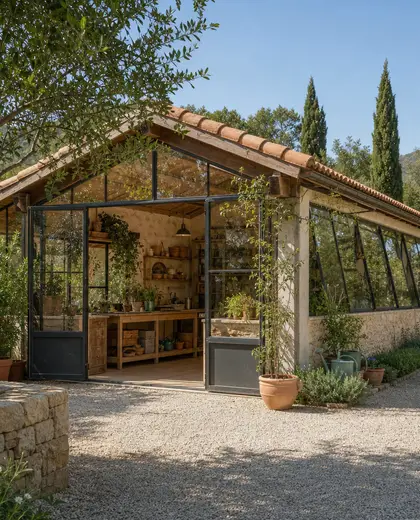
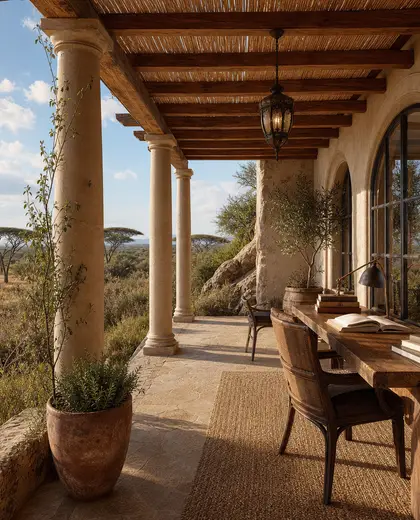
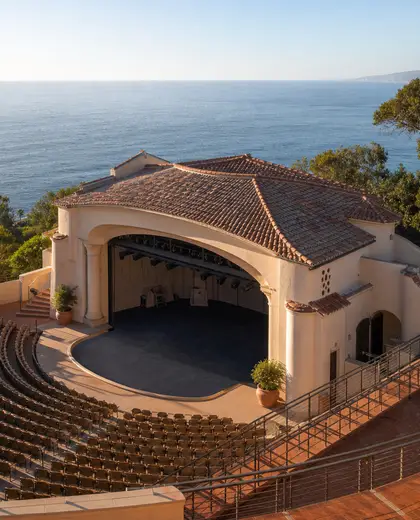
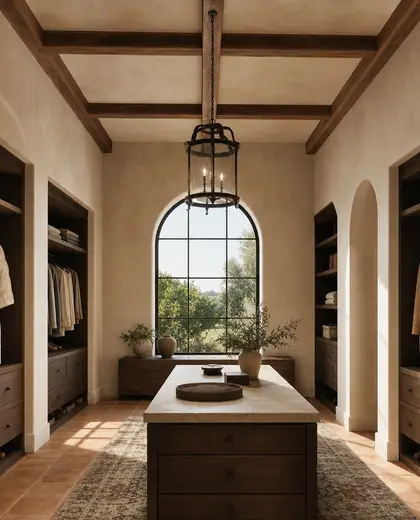
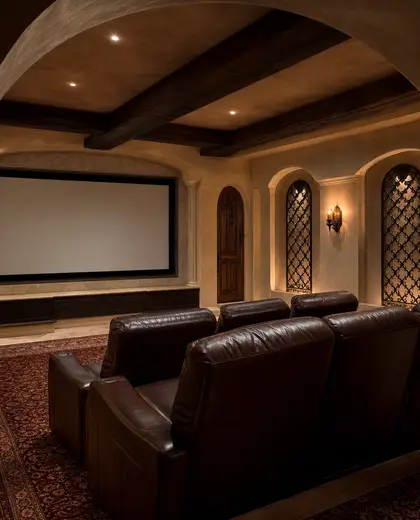
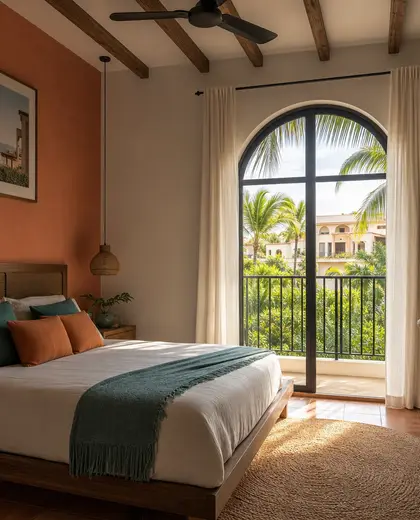
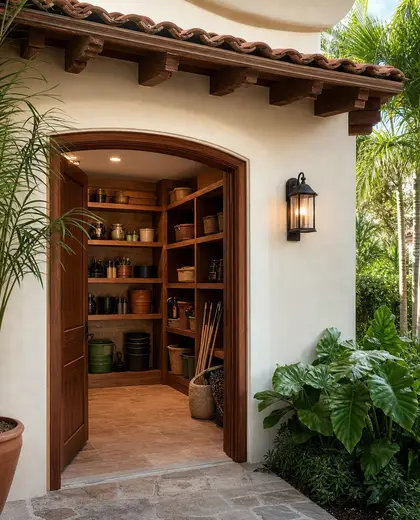
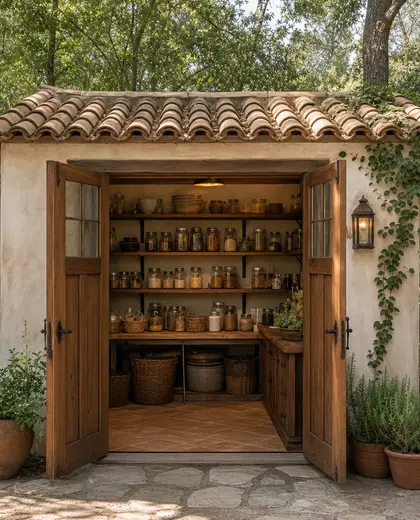
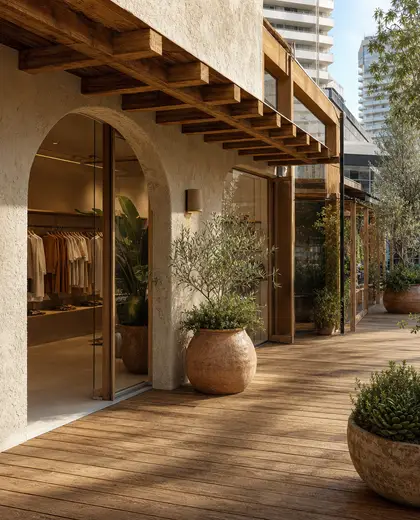
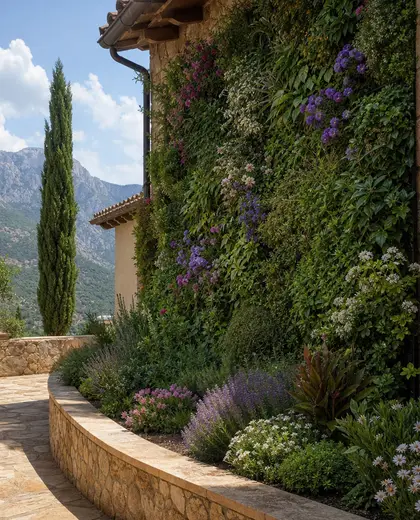
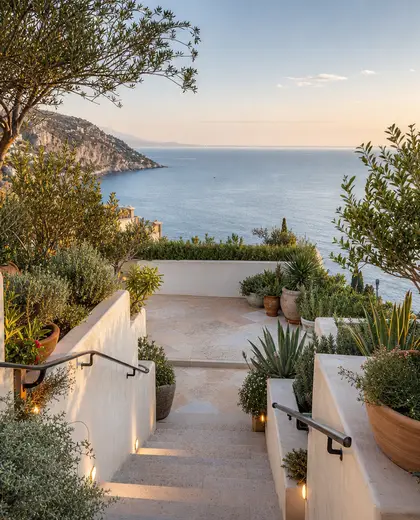
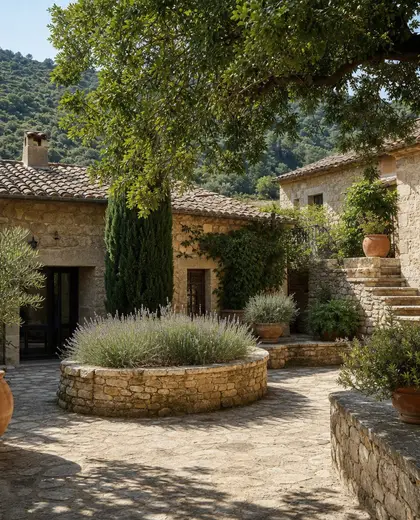
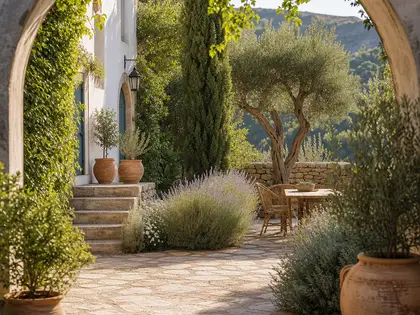
Mediterranean composition is defined by sun-washed plaster or stucco walls, terracotta tiles, natural stone, and timber details. The palette stays warm and earthy, with white, sand, ochre, clay, olive, and deep blue accents. Arched openings, textured surfaces, and shaded outdoor transitions are key elements.
- mediterranean
— References
References to explore

Is Mediterranean composition more rustic or refined?
It can be either, but it usually sits between the two: textured and relaxed, yet still structured through arches, symmetry, and durable finishes.

What flooring works best for this look?
Terracotta, limestone, travertine, and matte ceramic tile are the most common choices, often with a worn or handcrafted feel.
Can this composition work in a modern home?
Yes. Keep the shell simple and use Mediterranean cues selectively, such as plaster walls, arched details, stone surfaces, and a warm natural palette.

— The style
What defines it
Plaster, stucco, terracotta, stone, ceramic tile, and wood are the core materials, often left with visible texture.
Use warm neutrals and coastal tones: white, cream, beige, terracotta, olive green, cobalt, and muted blue.
Pairs well with rustic, organic, and contemporary interiors, especially when balanced with simple furniture and natural fabrics.
— Professionals
Who has already built it
- vorbild architecturearchitects · 6 projectsView profile →
- kerem erbagci3d renderers · London · 9 projectsView profile →
- paquis norris group limitedbuilders · Reading · 3 projectsView profile →
- LoftRobejoiners · Guildford · 4 projectsView profile →
— Explore
Keep exploring
— Questions
Frequently asked questions
Is Mediterranean composition more rustic or refined?
It can be either, but it usually sits between the two: textured and relaxed, yet still structured through arches, symmetry, and durable finishes.
What flooring works best for this look?
Terracotta, limestone, travertine, and matte ceramic tile are the most common choices, often with a worn or handcrafted feel.
Can this composition work in a modern home?
Yes. Keep the shell simple and use Mediterranean cues selectively, such as plaster walls, arched details, stone surfaces, and a warm natural palette.