— Ideas & inspiration
Mid-century modern
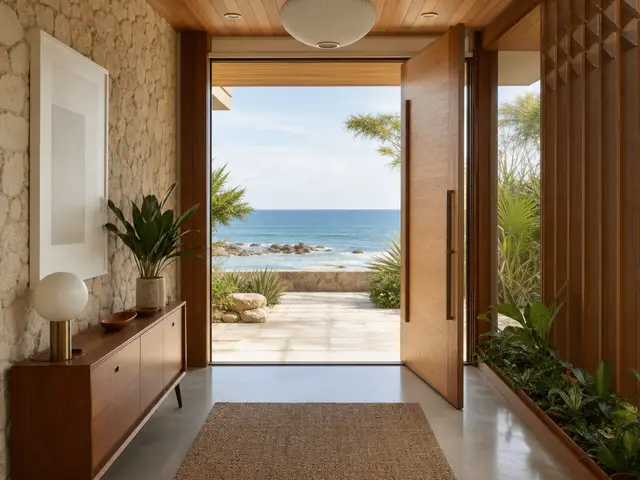
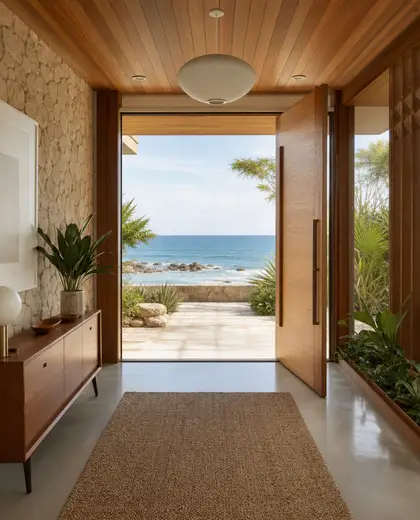
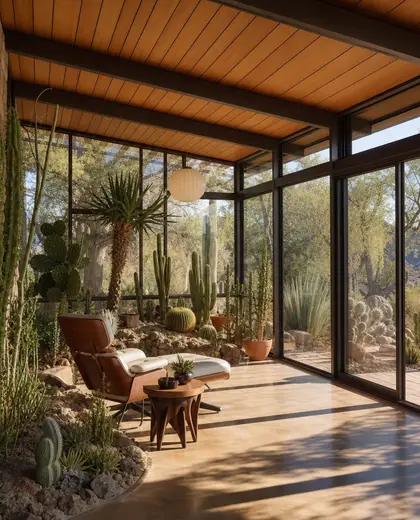
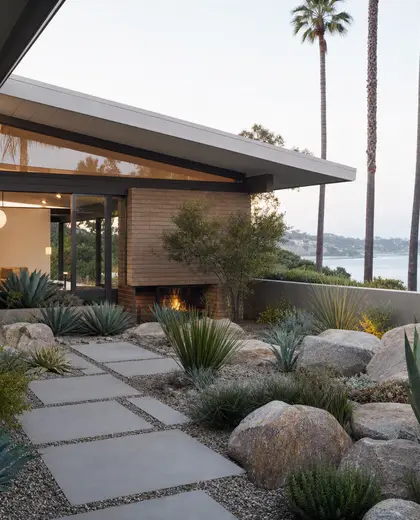
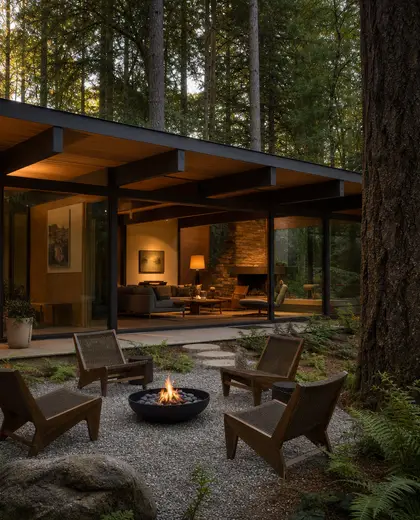
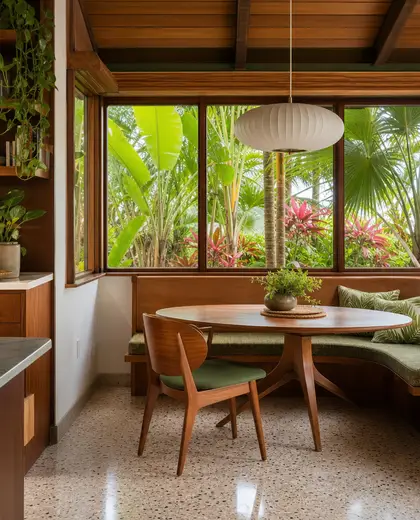
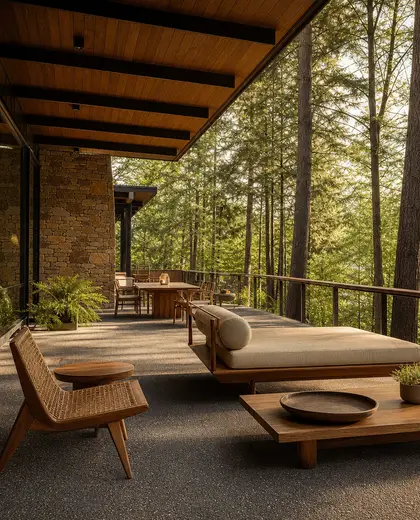
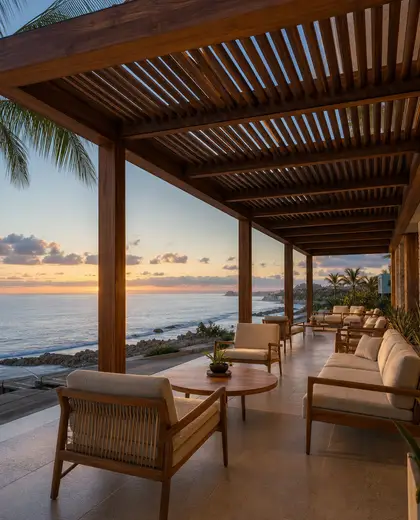
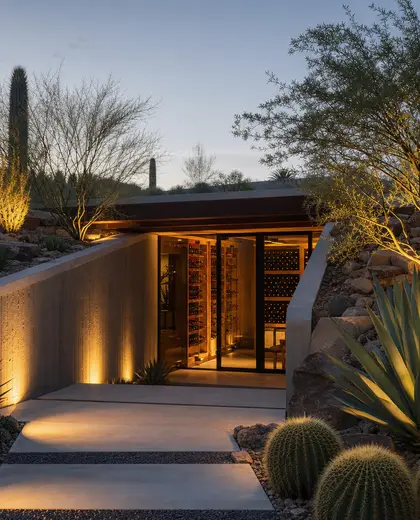
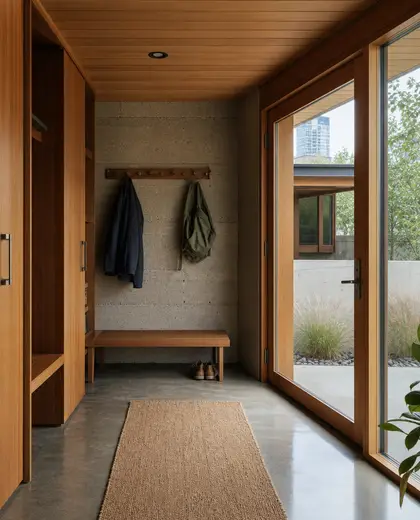
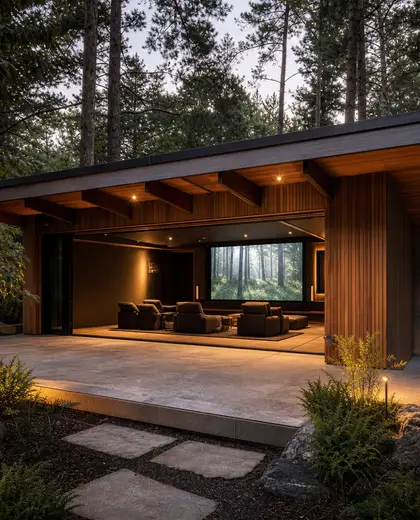
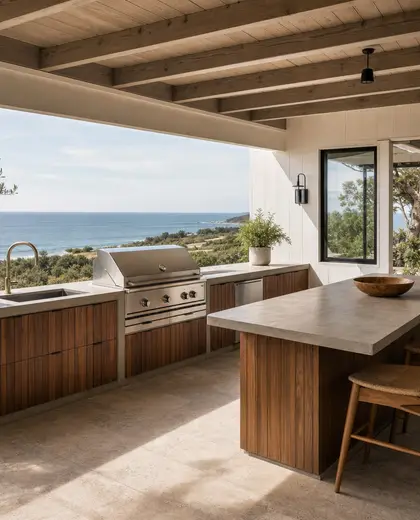
Mid-century modern is defined by clean lines, simple volumes, and a strong indoor-outdoor connection. It often uses natural wood, exposed structure, glass, leather, and metal, with low-profile furniture, tapered legs, and open plans. The palette is usually warm and restrained, built from walnut, teak, white, black, olive, mustard, and muted earth tones.
- mid-century modern
— References
References to explore
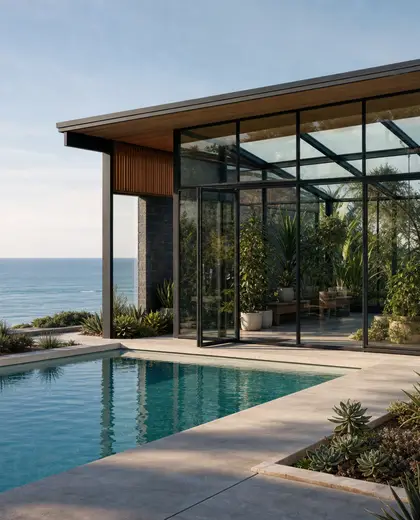
What makes a home feel mid-century modern instead of just modern?
Mid-century modern usually has more warmth and character than generic modern design: visible wood grain, tapered legs, organic shapes, and a mix of sculptural and practical pieces.
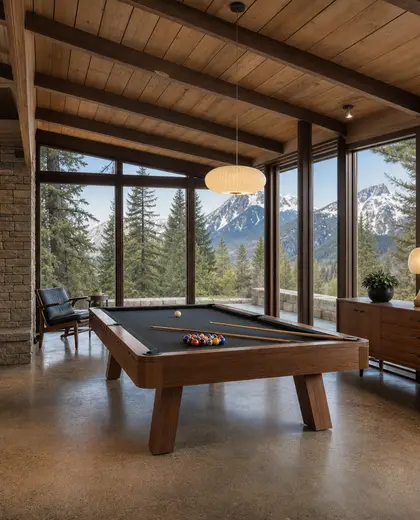
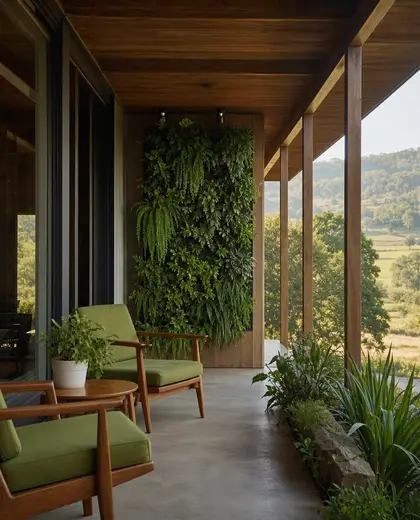
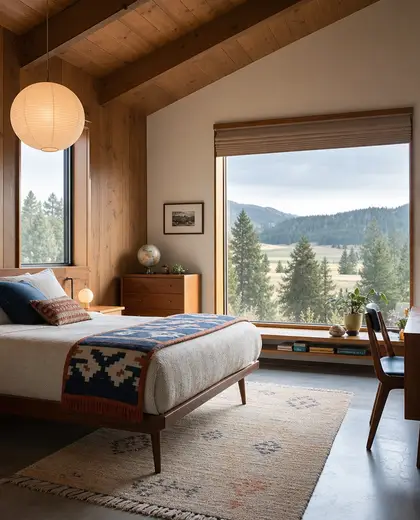
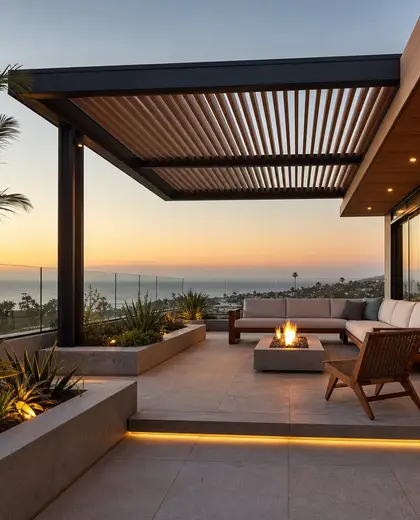
Can mid-century modern work in a small home?
Yes. Its open layouts, built-in storage, and furniture with raised legs can make smaller spaces feel lighter and more open.
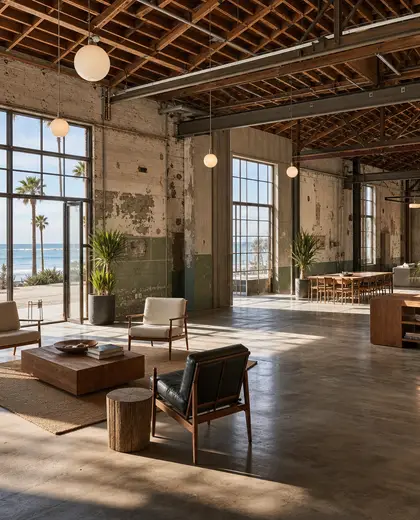
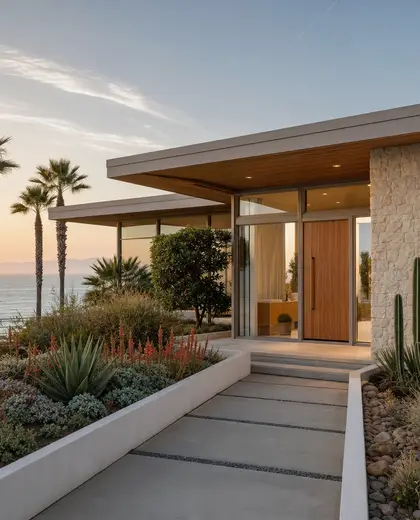
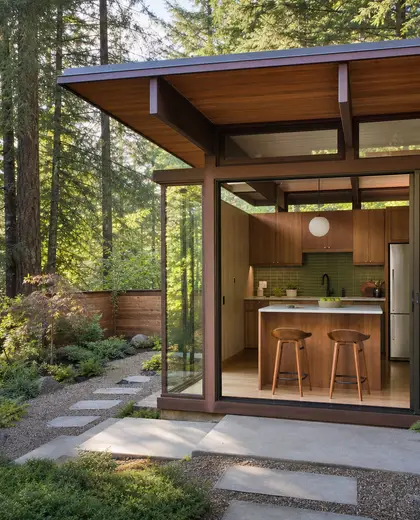
Does mid-century modern have to use vintage furniture?
No. New furniture can fit the style as long as it keeps the same proportions, simple silhouettes, and material palette.
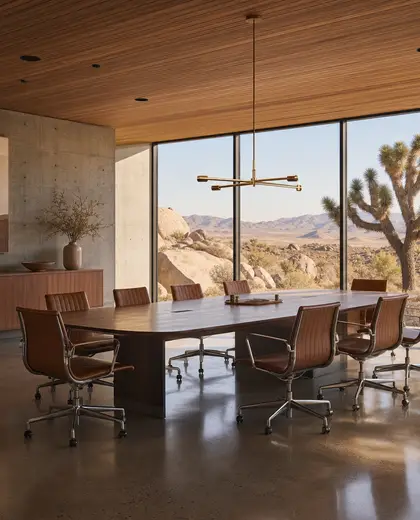

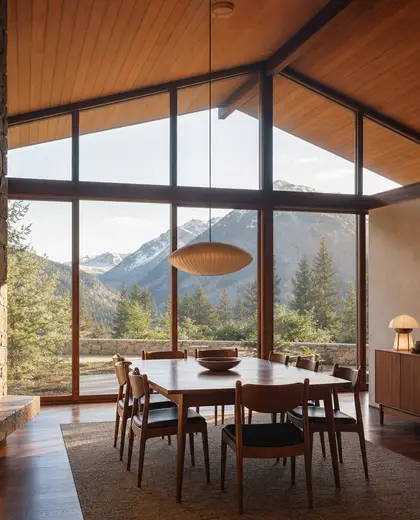
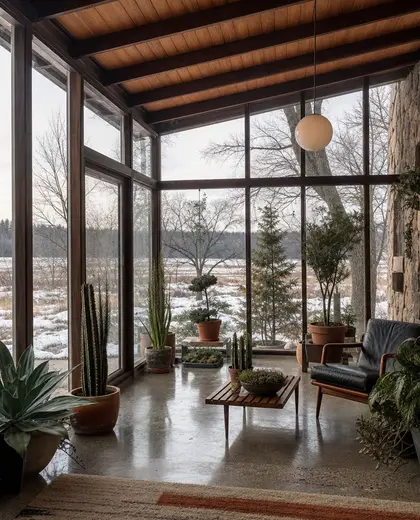
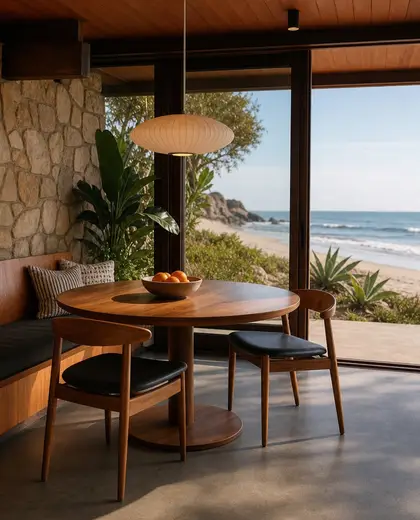
— The style
What defines it
Walnut, teak, plywood, leather, glass, steel, and stone are common, often left with a natural or lightly finished look.
Warm woods are paired with white, black, olive, mustard, rust, and soft neutrals for a balanced, lived-in feel.
Works well with open layouts, large windows, terrazzo, brick, built-in joinery, and vintage or contemporary furnishings.
— Professionals
Who has already built it
- vorbild architecturearchitects · 6 projectsView profile →
- kerem erbagci3d renderers · London · 9 projectsView profile →
- paquis norris group limitedbuilders · Reading · 3 projectsView profile →
- LoftRobejoiners · Guildford · 4 projectsView profile →
— Explore
Keep exploring
— Questions
Frequently asked questions
What makes a home feel mid-century modern instead of just modern?
Mid-century modern usually has more warmth and character than generic modern design: visible wood grain, tapered legs, organic shapes, and a mix of sculptural and practical pieces.
Can mid-century modern work in a small home?
Yes. Its open layouts, built-in storage, and furniture with raised legs can make smaller spaces feel lighter and more open.
Does mid-century modern have to use vintage furniture?
No. New furniture can fit the style as long as it keeps the same proportions, simple silhouettes, and material palette.