— Ideas & inspiration
Music Room
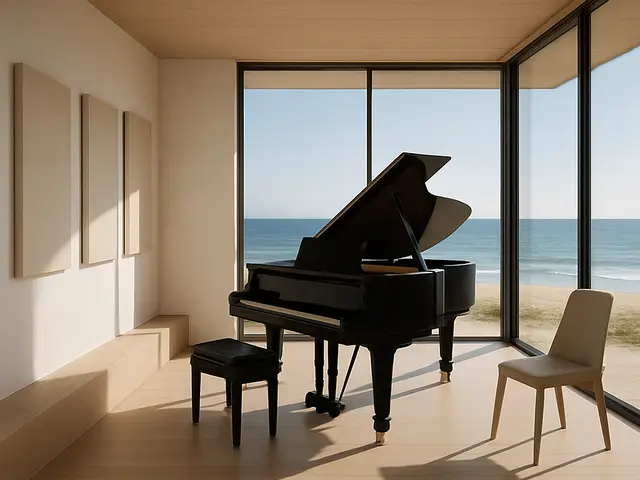
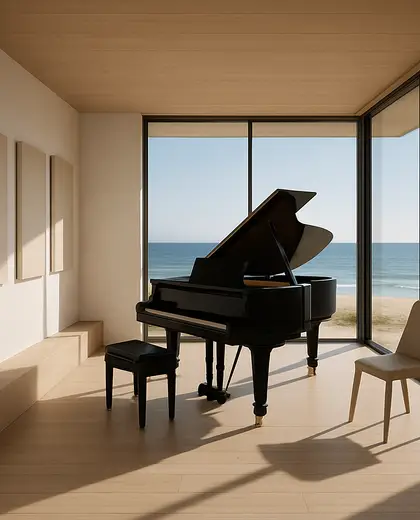
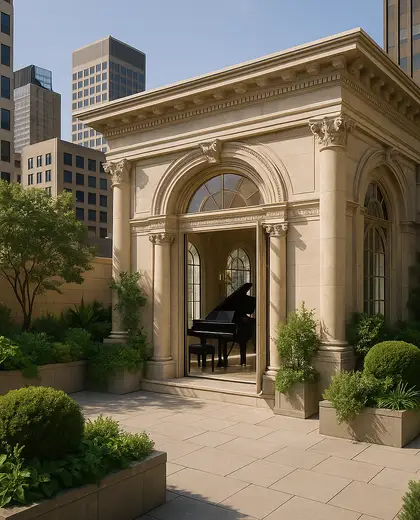
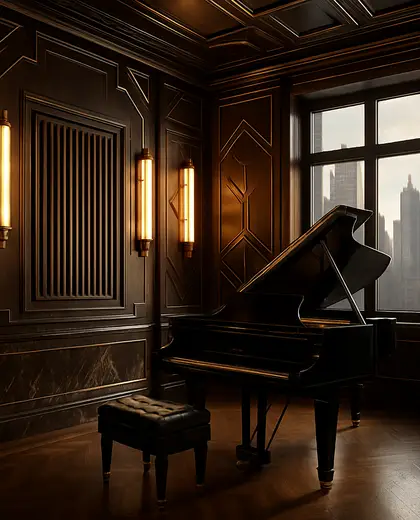
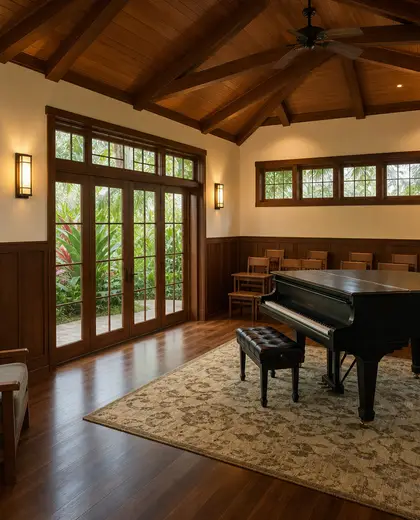
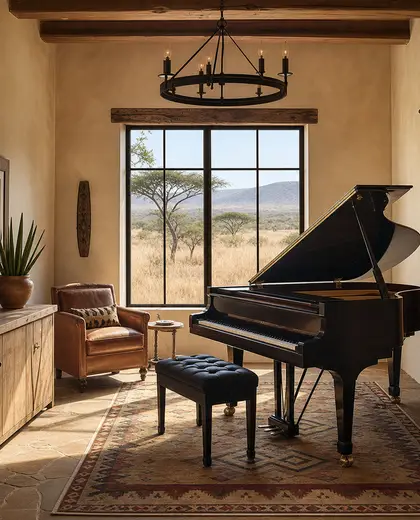
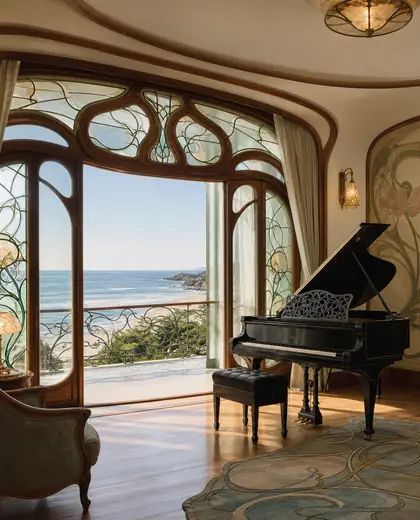
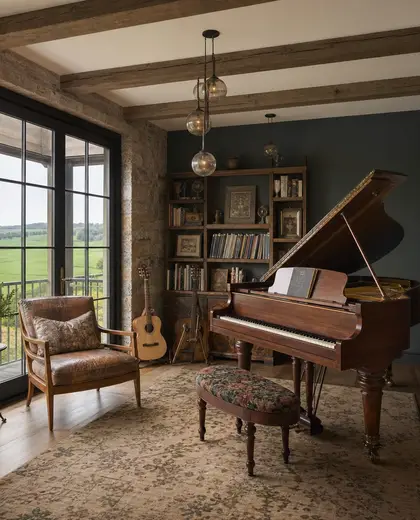
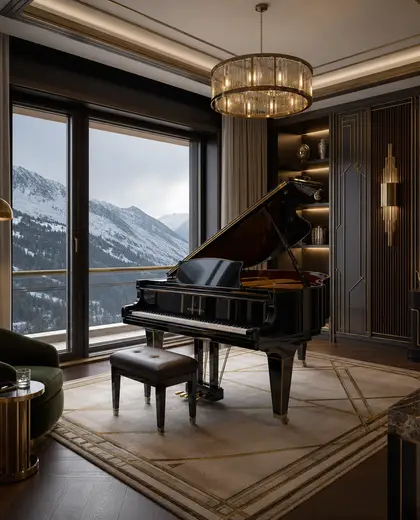
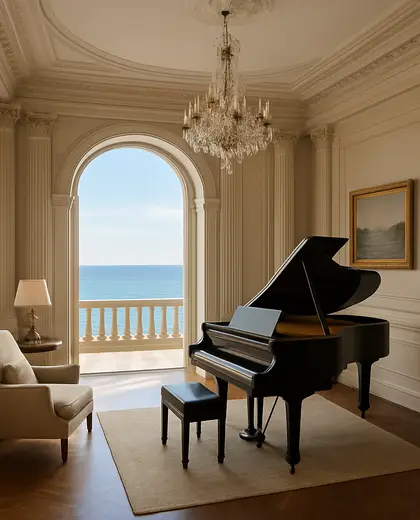
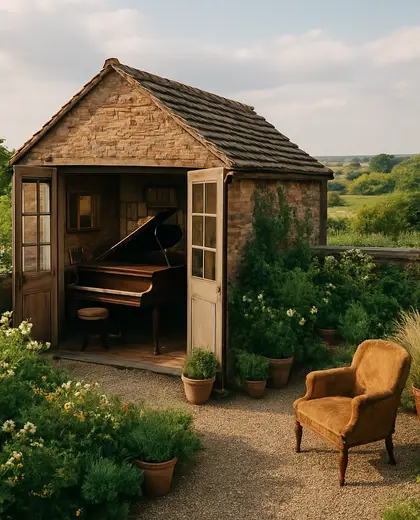
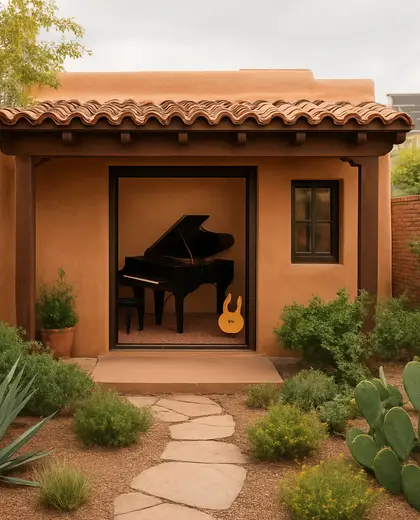
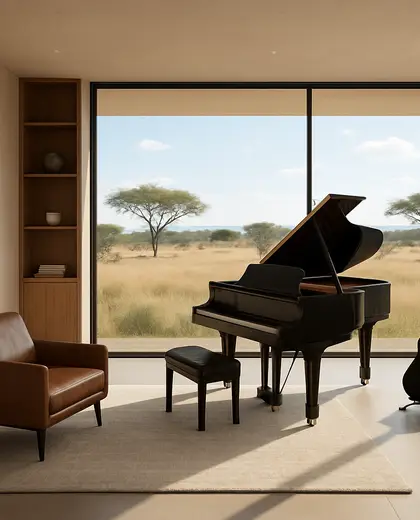
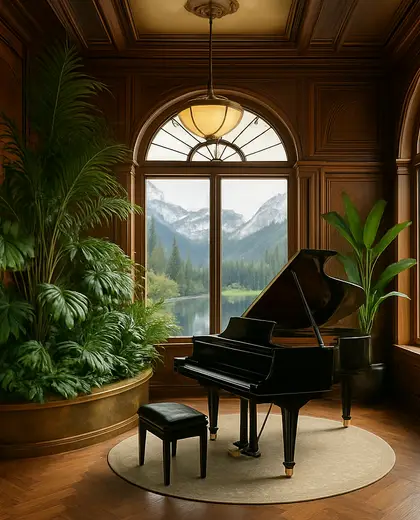
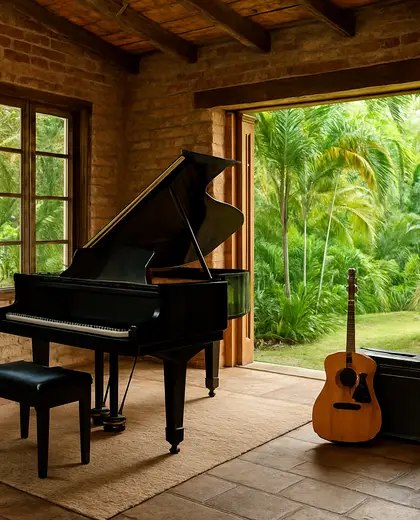
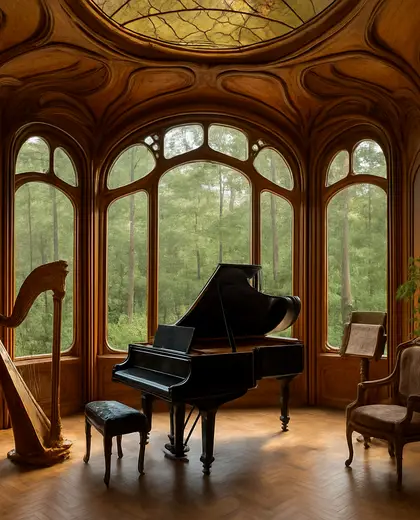
A music room is defined by acoustic control, durable surfaces, and seating arranged around the instruments. Typical finishes include timber, upholstered panels, rugs, and sometimes glass or metal accents, with the instrument itself often becoming the focal point. The palette is usually warm and subdued, so the room supports listening, practice, and performance without visual distraction.
- music room
— References
References to explore
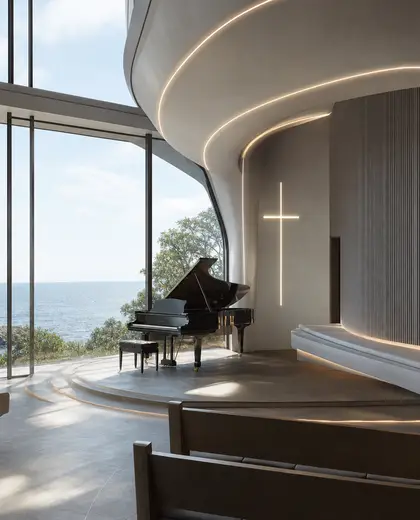
Does a music room need special acoustic treatment?
Usually yes, especially if you want controlled sound and less noise transfer. The amount depends on whether it is for practice, recording, or casual listening.

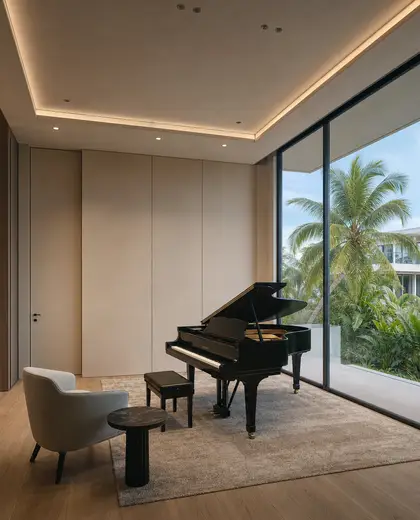
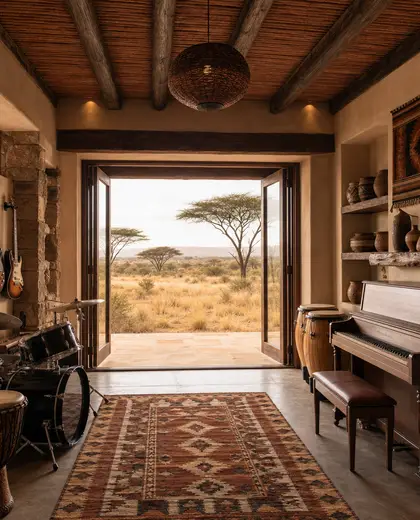
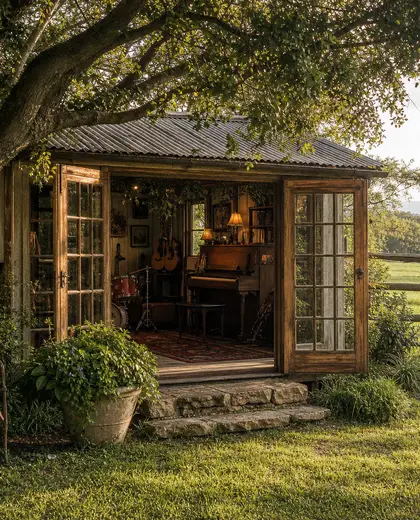
Can a music room be in a small space?
Yes. A compact room can work with careful furniture placement, rugs, wall panels, and storage that keeps the floor clear.

What furniture belongs in a music room?
It depends on the use, but common pieces include instrument stands, a bench or armchair, storage for sheet music, and a small table or cabinet.



— The style
What defines it
Timber, acoustic panels, wool rugs, upholstered seating, glass, and metal details are common.
Usually warm neutrals, muted earth tones, deep blues, charcoal, or soft monochromes to reduce glare and keep focus.
Works well with built-in storage, display shelving, good lighting, and sound-isolating doors or wall treatments.
— Professionals
Who has already built it
- vorbild architecturearchitects · 6 projectsView profile →
- kerem erbagci3d renderers · London · 9 projectsView profile →
- paquis norris group limitedbuilders · Reading · 3 projectsView profile →
- LoftRobejoiners · Guildford · 4 projectsView profile →
— Explore
Keep exploring
— Questions
Frequently asked questions
Does a music room need special acoustic treatment?
Usually yes, especially if you want controlled sound and less noise transfer. The amount depends on whether it is for practice, recording, or casual listening.
Can a music room be in a small space?
Yes. A compact room can work with careful furniture placement, rugs, wall panels, and storage that keeps the floor clear.
What furniture belongs in a music room?
It depends on the use, but common pieces include instrument stands, a bench or armchair, storage for sheet music, and a small table or cabinet.