— Ideas & inspiration
Rest room composition
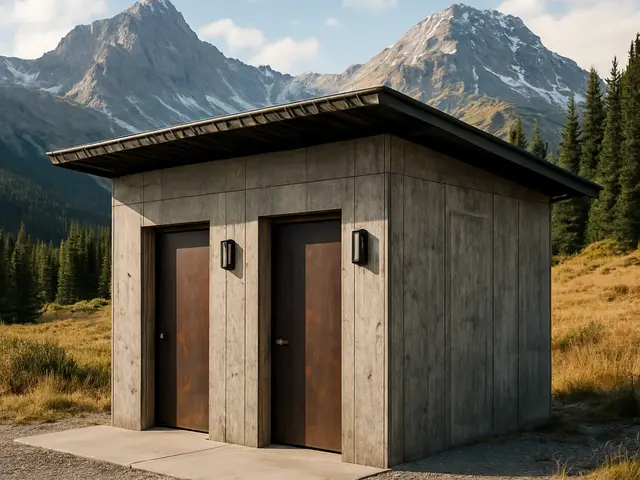
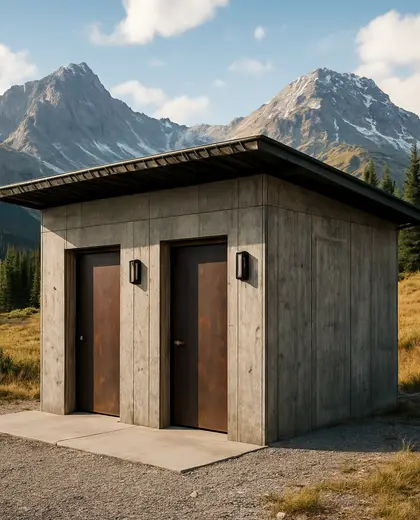
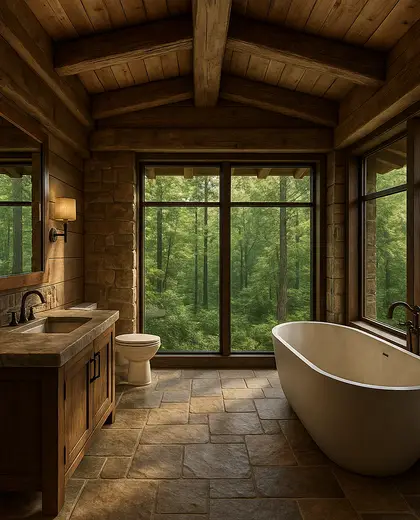
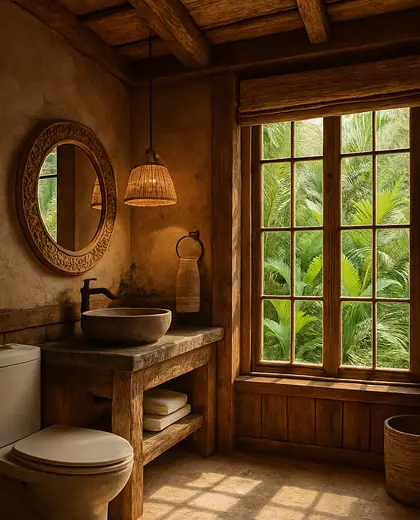
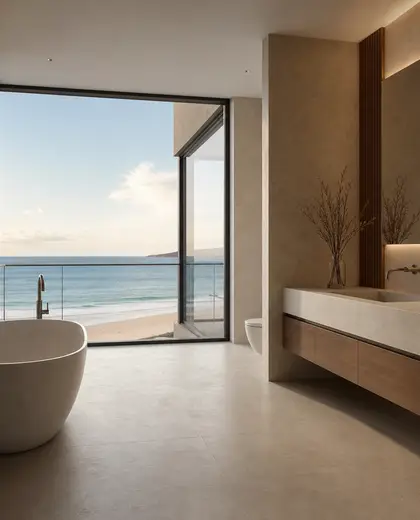
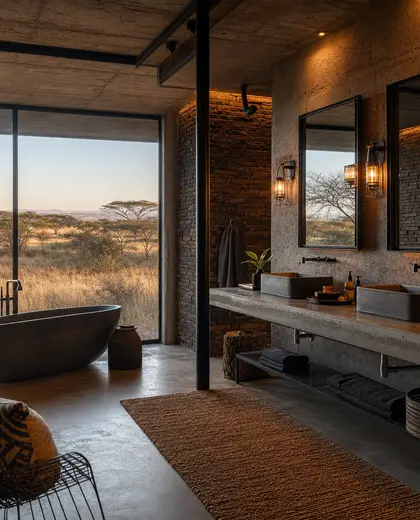
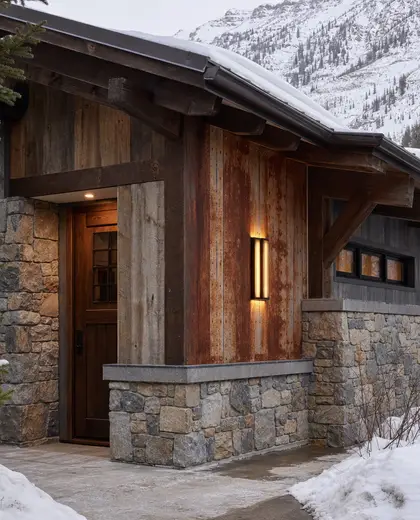
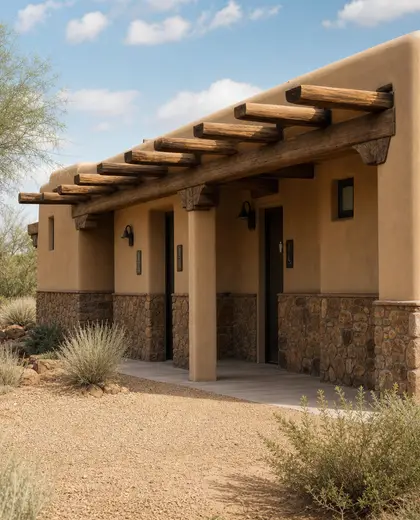
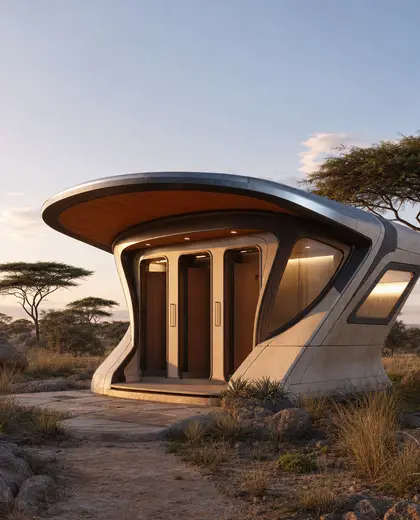
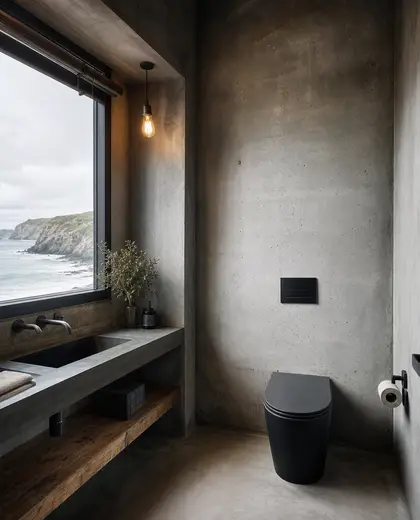
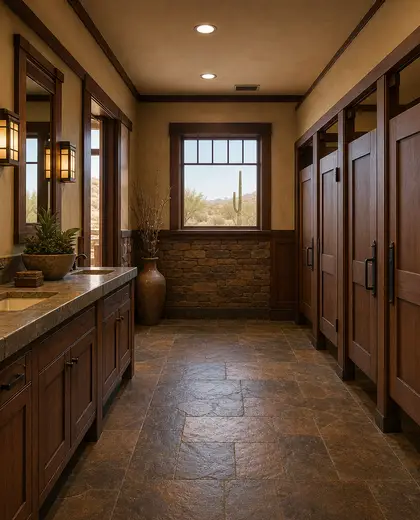
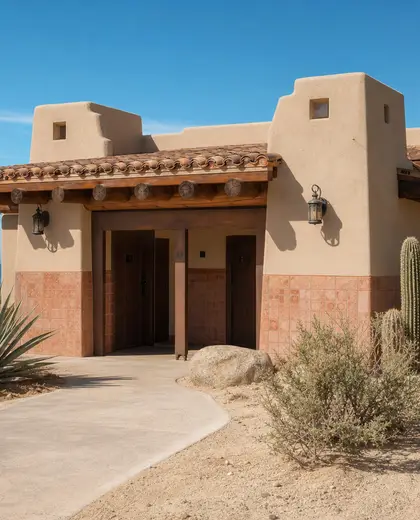
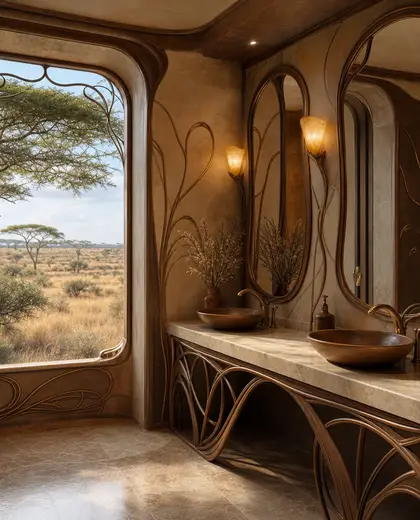
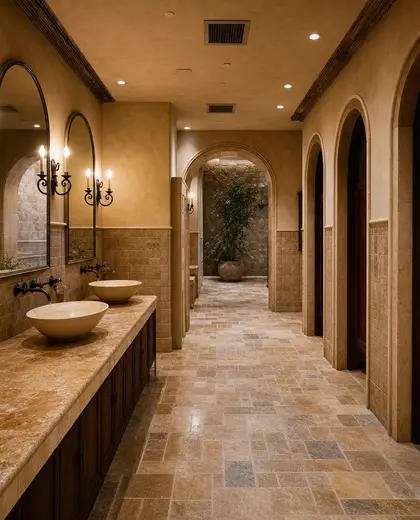
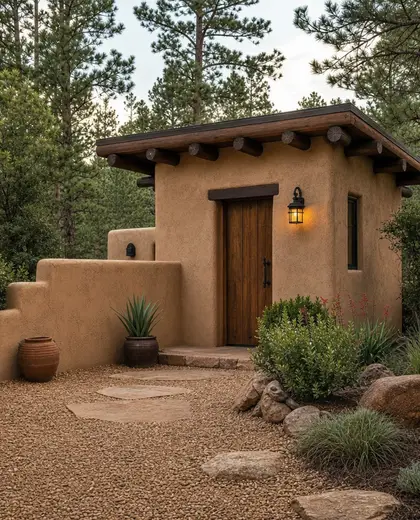
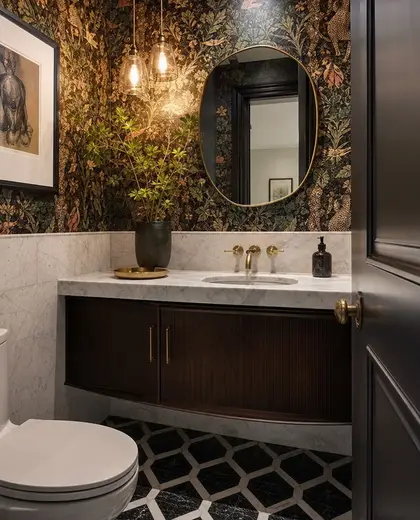
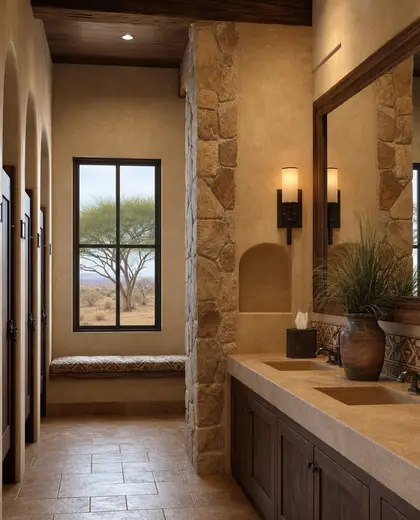
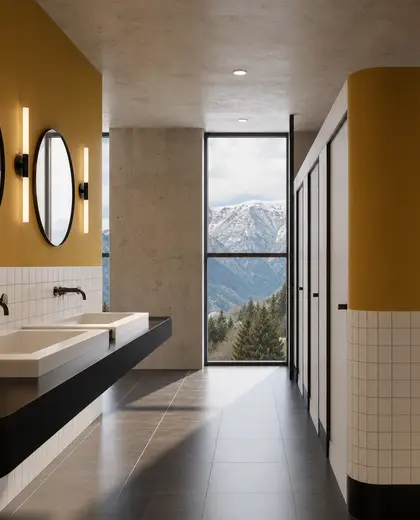
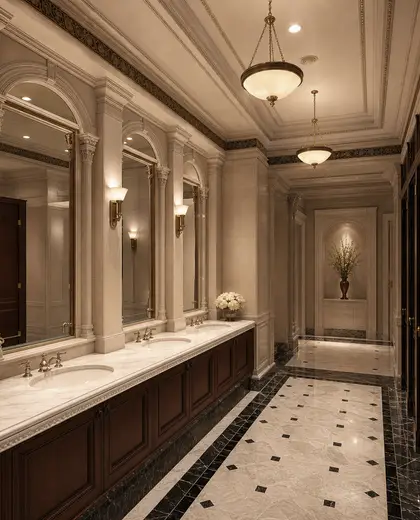
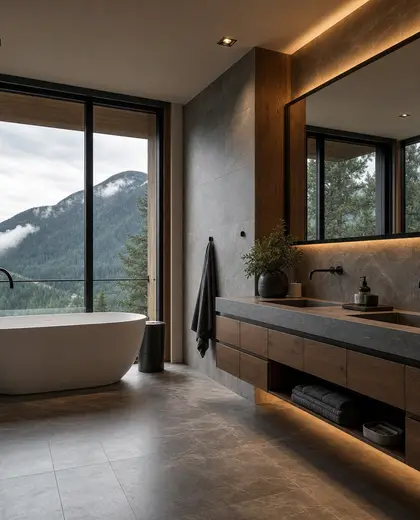
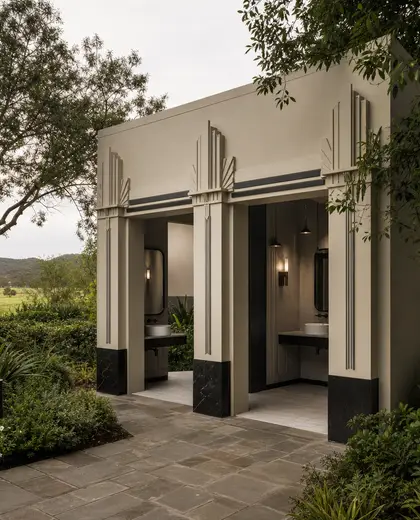
A rest room is defined by calm, durable finishes and a restrained layout centered on comfort and privacy. It typically uses moisture-resistant materials such as tile, stone, sealed wood, and matte paint, with soft lighting, integrated storage, and simple fixtures. The palette is usually neutral and quiet, built from whites, beige, greys, sand tones, and muted natural accents.
- rest room
— References
References to explore
What makes a rest room different from a regular bathroom?
A rest room usually focuses more on comfort, privacy, and a composed atmosphere. It may still include the same functional elements, but with quieter finishes, softer lighting, and a more deliberate layout.
Which materials hold up best in a rest room?
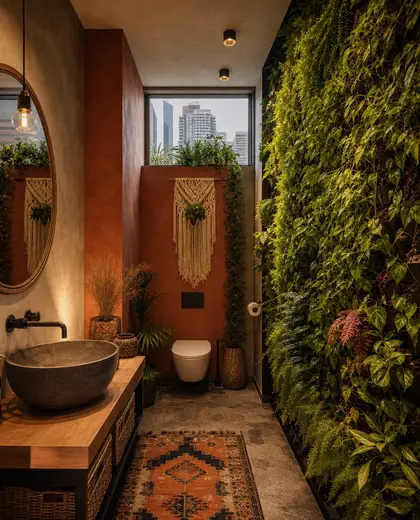
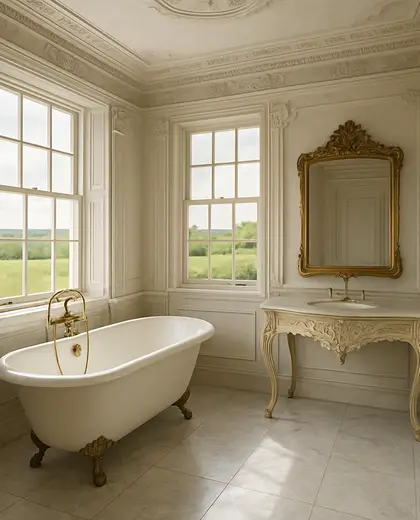
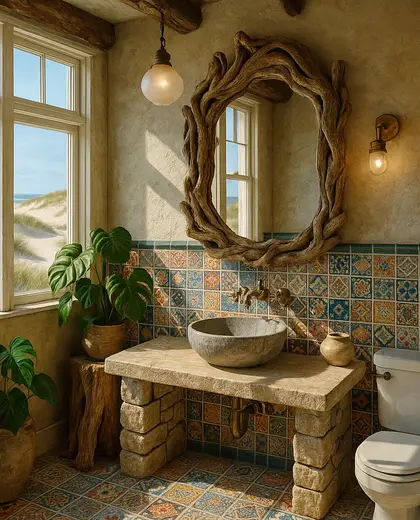
Choose moisture-resistant and easy-to-clean materials such as porcelain tile, stone, sealed wood, painted MDF, and corrosion-resistant metal fittings. Surfaces should handle humidity and frequent cleaning without losing their finish.
Can a rest room have color, or should it stay neutral?
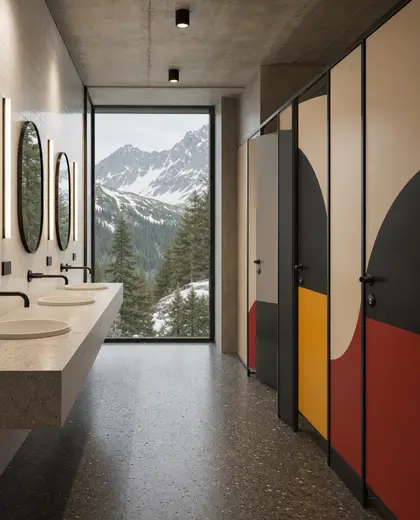
Neutral palettes are the most common because they keep the space calm and timeless. Color can work as a restrained accent through one wall, cabinetry, towels, or decor, as long as it does not overpower the room.
— The style
What defines it
Porcelain tile, natural stone, sealed timber, matte paint, glass, brushed metal, and easy-clean surfaces are common.
Low-contrast neutrals work best: white, cream, taupe, grey, soft brown, and desaturated greens or blues as accents.
It pairs well with minimal, spa-like, contemporary, Scandinavian, and warm natural interior styles.
— Professionals
Who has already built it
- vorbild architecturearchitects · 6 projectsView profile →
- kerem erbagci3d renderers · London · 9 projectsView profile →
- paquis norris group limitedbuilders · Reading · 3 projectsView profile →
- LoftRobejoiners · Guildford · 4 projectsView profile →
— Explore
Keep exploring
— Questions
Frequently asked questions
What makes a rest room different from a regular bathroom?
A rest room usually focuses more on comfort, privacy, and a composed atmosphere. It may still include the same functional elements, but with quieter finishes, softer lighting, and a more deliberate layout.
Which materials hold up best in a rest room?
Choose moisture-resistant and easy-to-clean materials such as porcelain tile, stone, sealed wood, painted MDF, and corrosion-resistant metal fittings. Surfaces should handle humidity and frequent cleaning without losing their finish.
Can a rest room have color, or should it stay neutral?
Neutral palettes are the most common because they keep the space calm and timeless. Color can work as a restrained accent through one wall, cabinetry, towels, or decor, as long as it does not overpower the room.