— Ideas & inspiration
Savanna composition
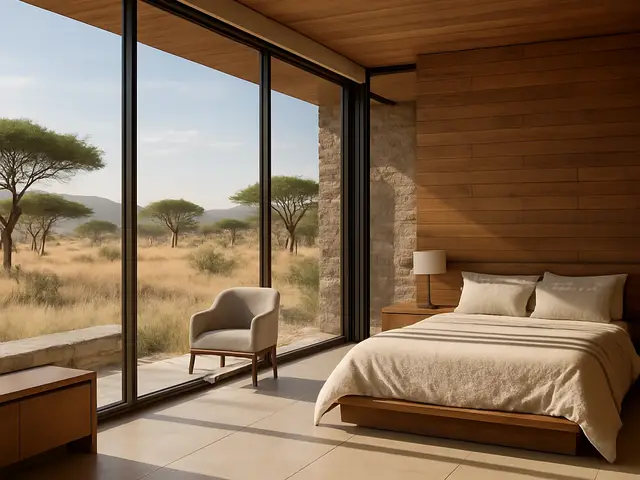
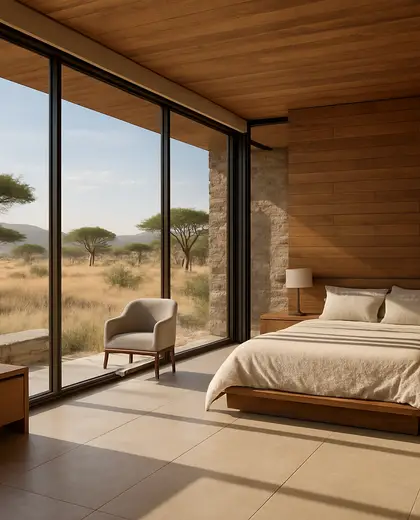
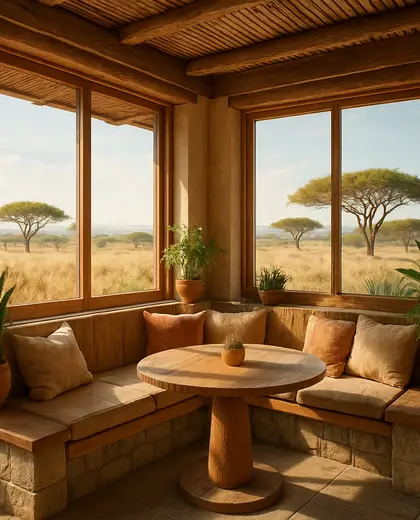
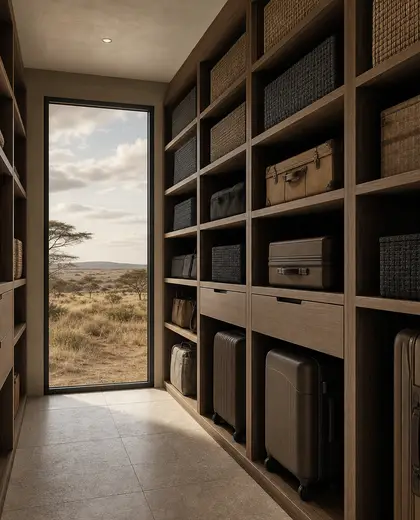
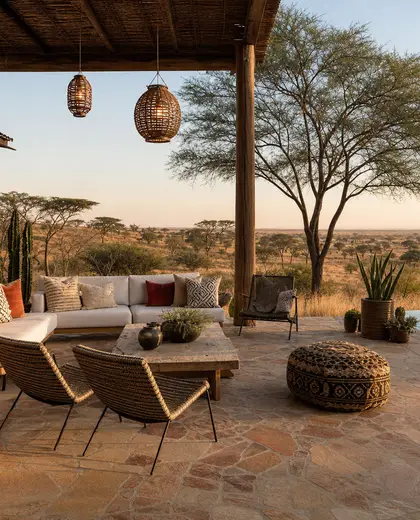
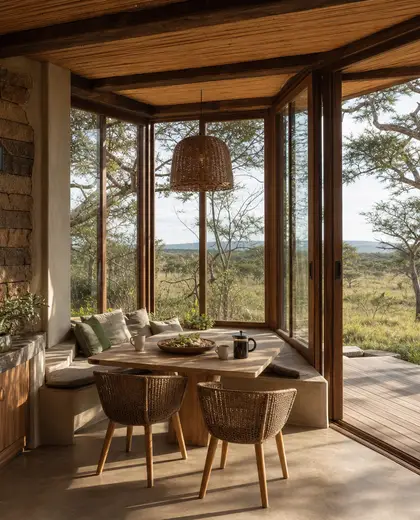
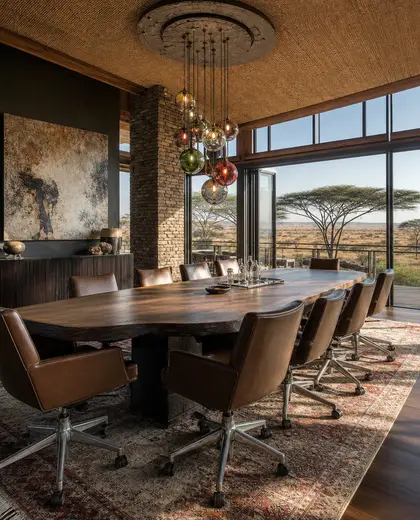
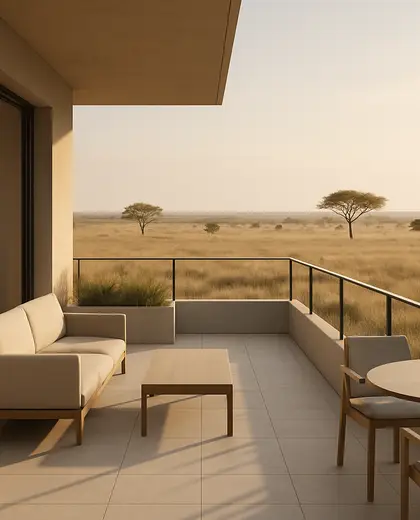
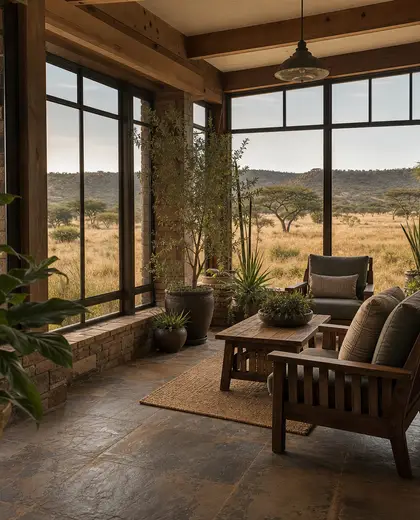
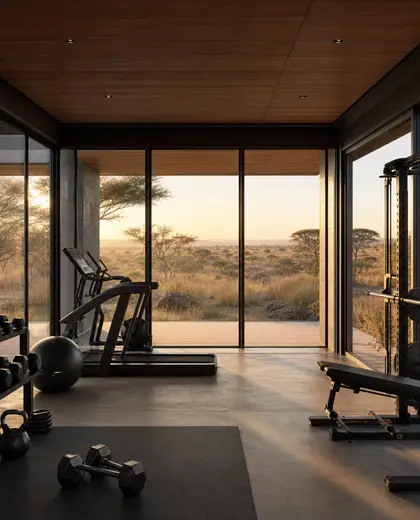
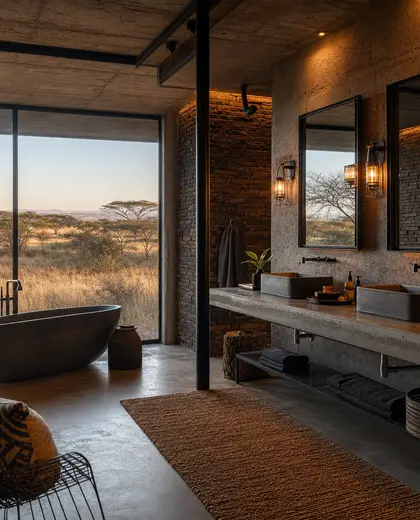
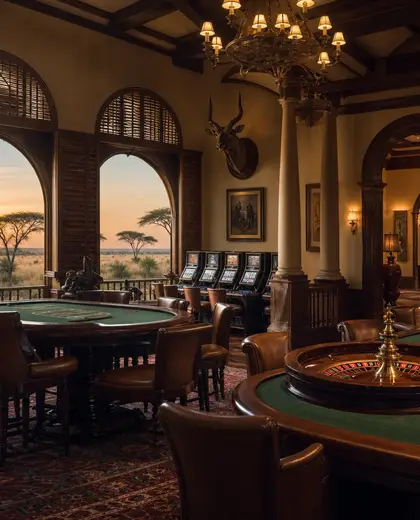
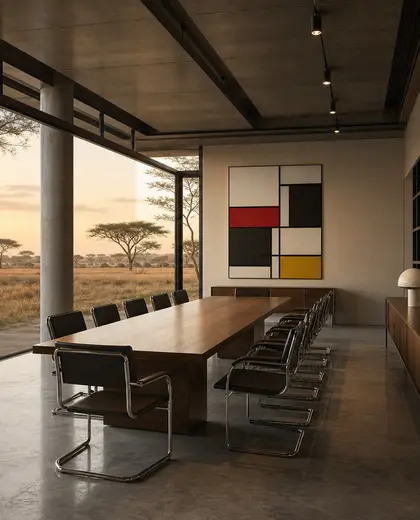
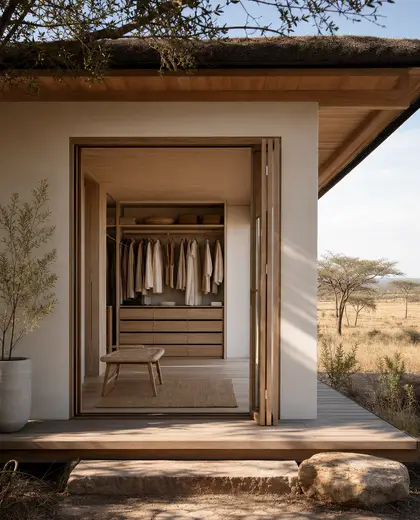
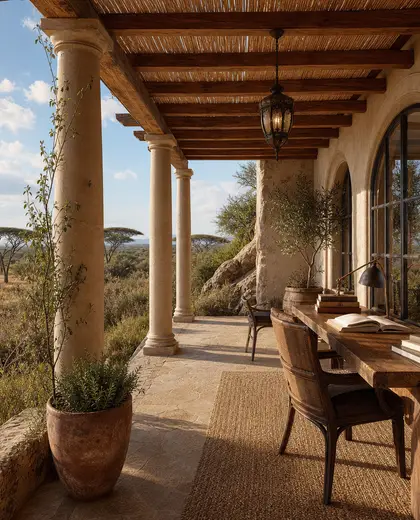
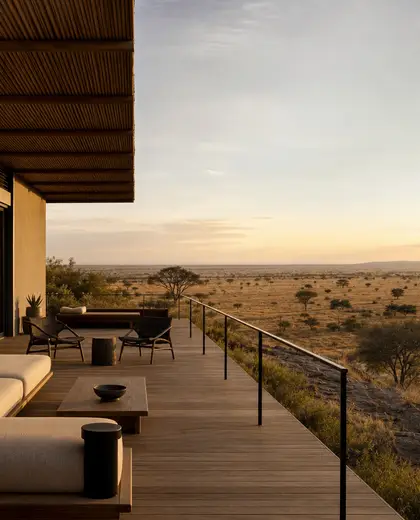
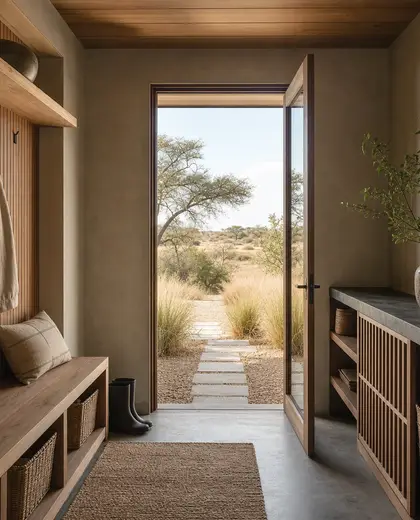
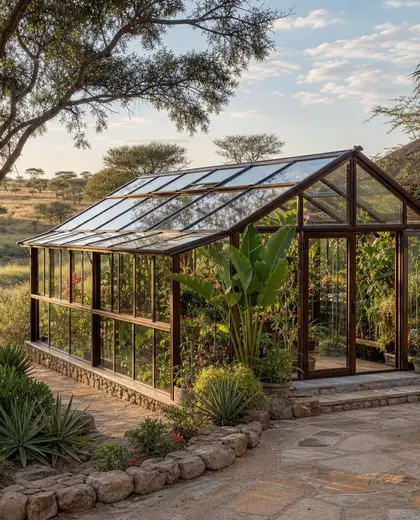
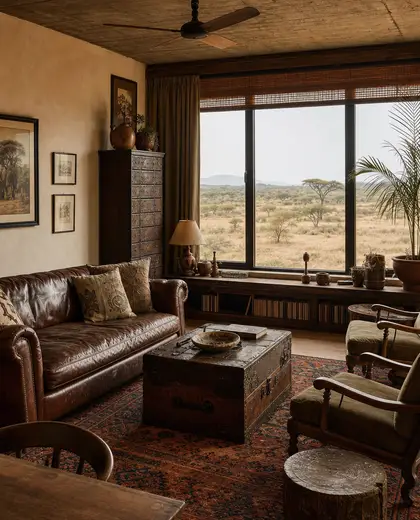
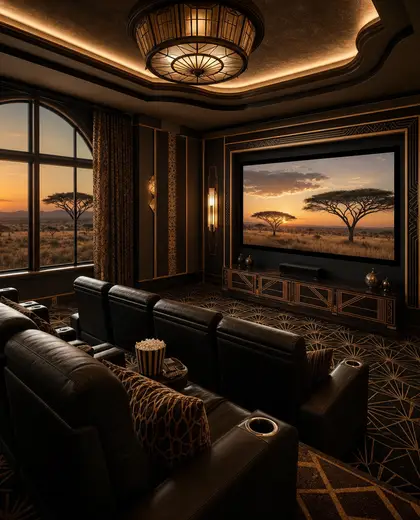
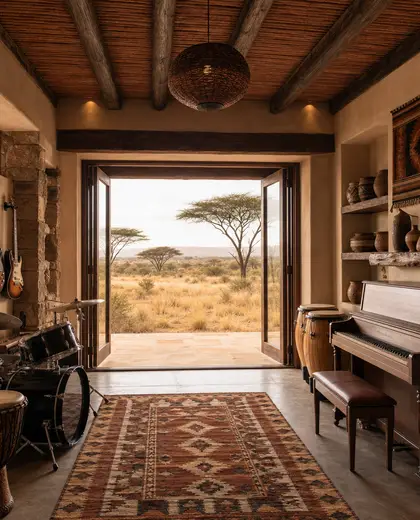
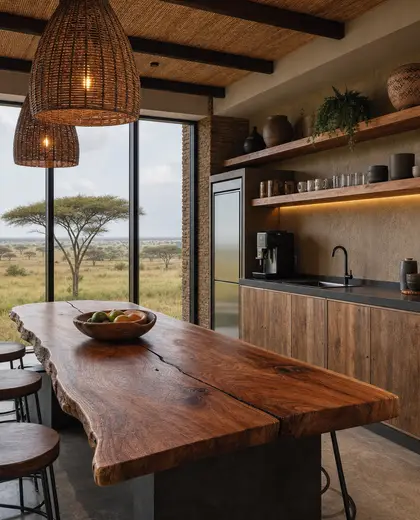
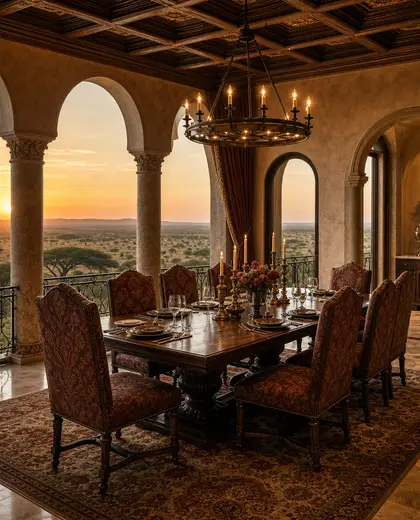
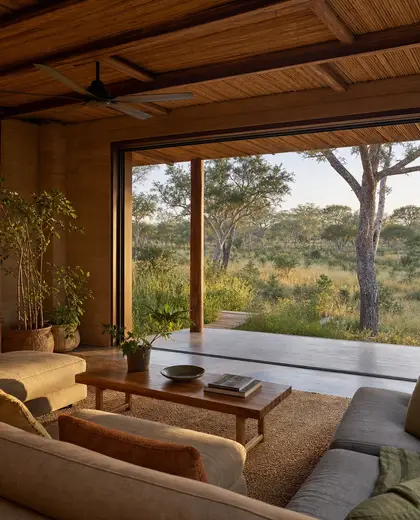
Savanna is defined by warm earthy materials such as timber, clay plaster, textured stone, rattan, and linen. The palette stays close to sand, ochre, terracotta, brown, muted olive, and soft off-white, usually finished with matte, low-reflection surfaces. The look balances tactile natural textures with simple, grounded forms and a relaxed, sun-worn feel.
- savanna
— References
References to explore
Does savanna need all-natural materials to work?
No. It reads best with natural textures, but a few well-chosen lookalike finishes can work if the overall palette stays warm and matte.
Can savanna feel too dark in a small home?
It can if the browns are heavy and the room has little light. In smaller spaces, keep more sand and off-white tones, and use darker accents sparingly.
What finishes should I avoid?
High-gloss surfaces, cool grays, and very sharp contrasts can weaken the look. Smooth glossy finishes usually feel less authentic than matte or lightly textured ones.

— The style
What defines it
Timber, clay or lime plaster, stone, woven fibers, linen, leather, and matte ceramics.
Sand, beige, ochre, terracotta, tobacco brown, muted green, and warm white.
Works well with rustic, organic, Mediterranean, bohemian, and warm modern interiors.
— Professionals
Who has already built it
- maria mateaarchitects · London · 7 projectsView profile →
- kerem erbagci3d renderers · London · 9 projectsView profile →
- paquis norris group limitedbuilders · Reading · 3 projectsView profile →
- LoftRobejoiners · Guildford · 4 projectsView profile →
— Explore
Keep exploring
— Questions
Frequently asked questions
Does savanna need all-natural materials to work?
No. It reads best with natural textures, but a few well-chosen lookalike finishes can work if the overall palette stays warm and matte.
Can savanna feel too dark in a small home?
It can if the browns are heavy and the room has little light. In smaller spaces, keep more sand and off-white tones, and use darker accents sparingly.
What finishes should I avoid?
High-gloss surfaces, cool grays, and very sharp contrasts can weaken the look. Smooth glossy finishes usually feel less authentic than matte or lightly textured ones.