— Ideas & inspiration
Space composition
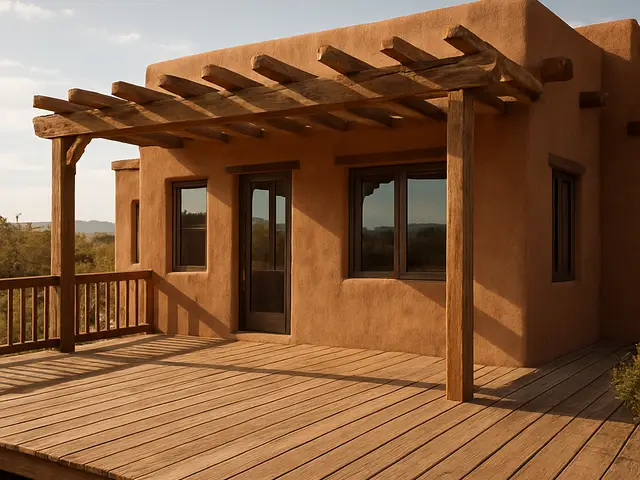
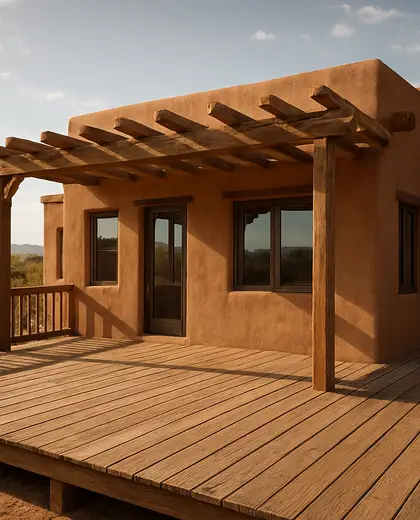
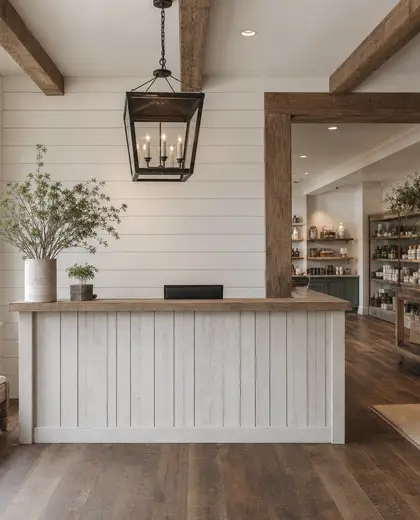
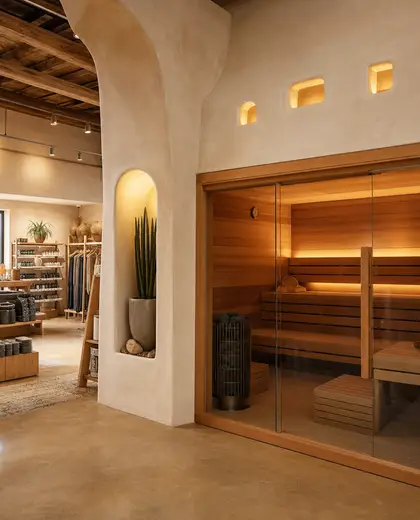
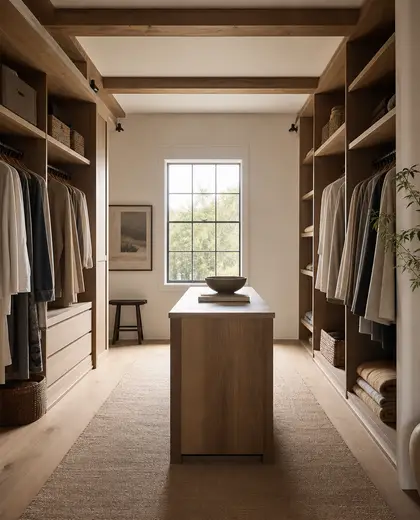
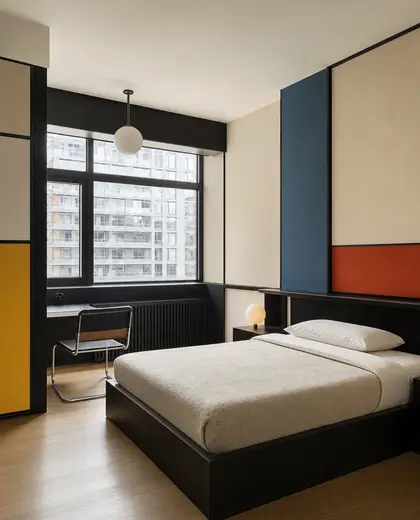
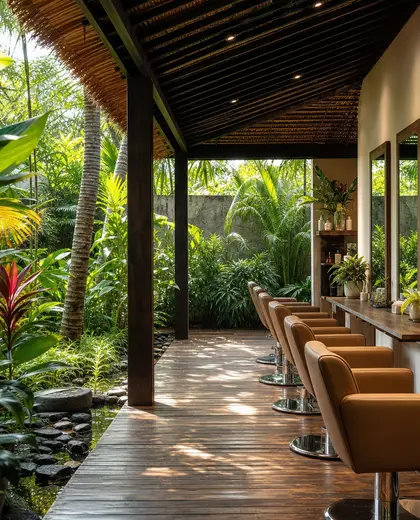
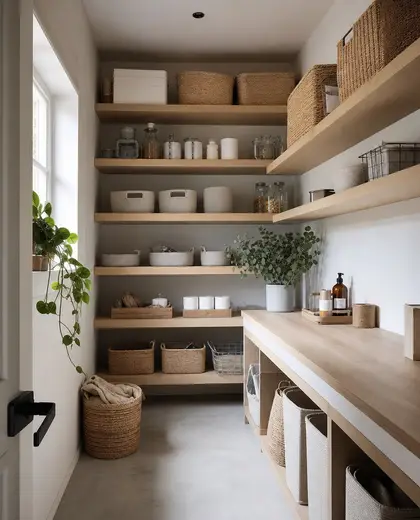
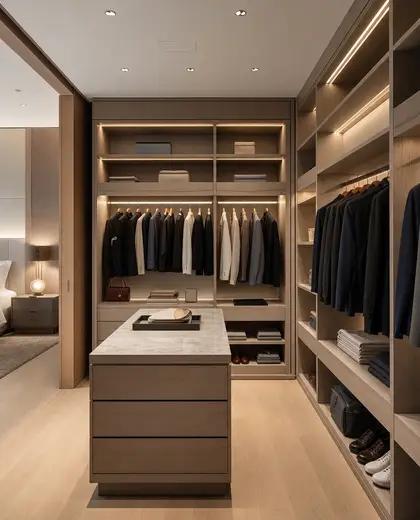
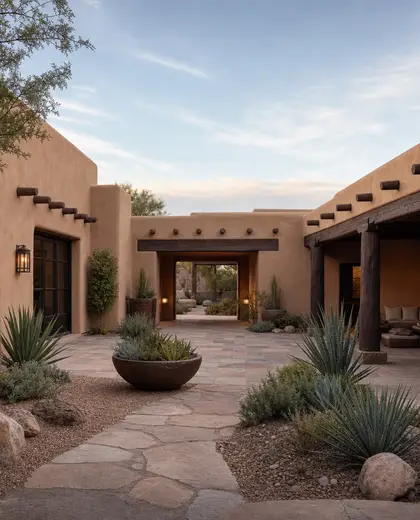
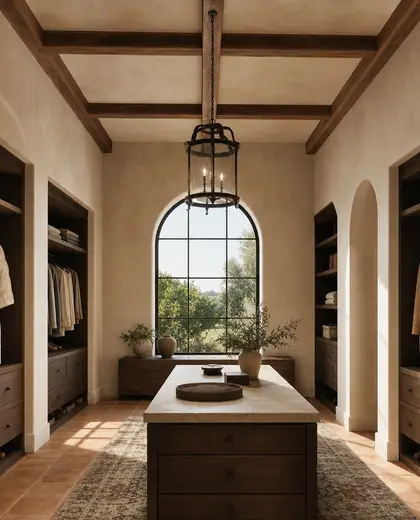
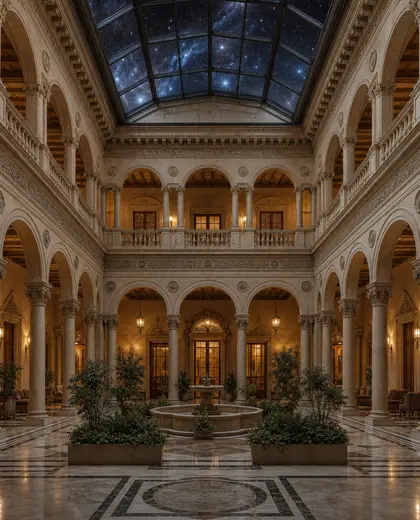
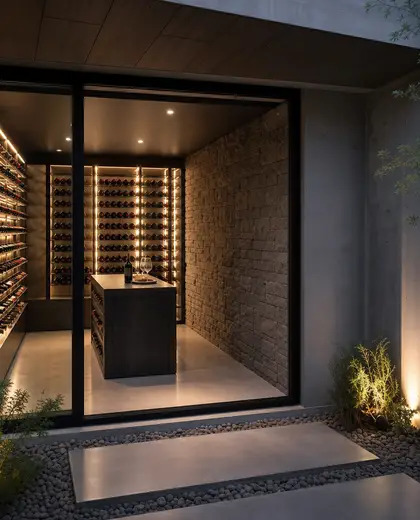
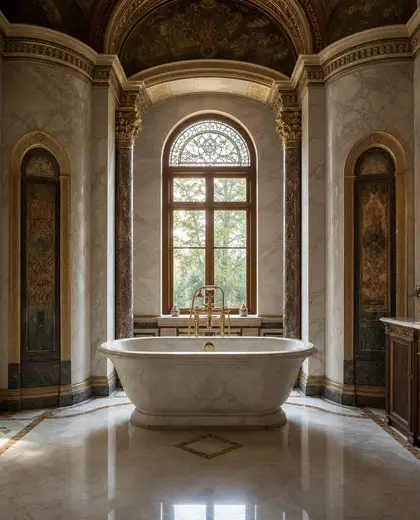
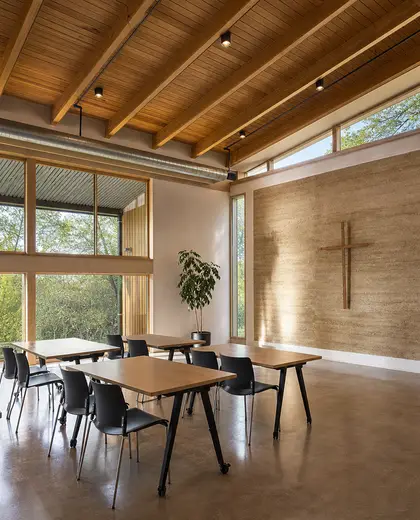
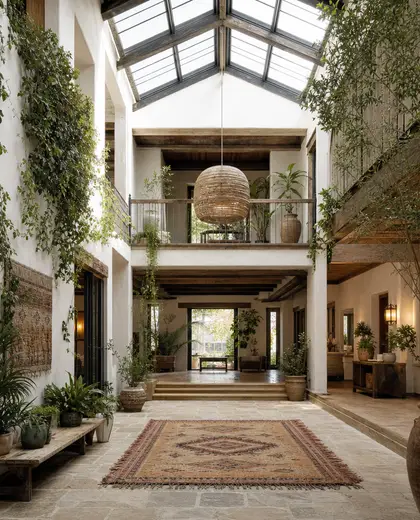
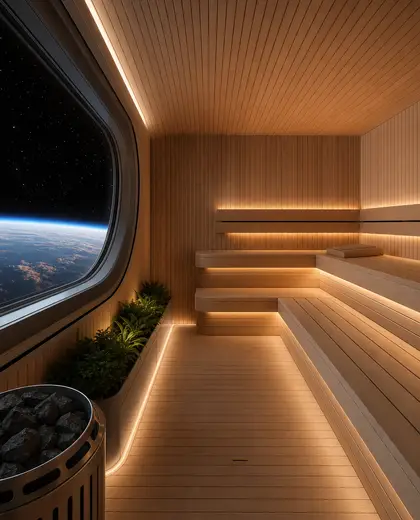
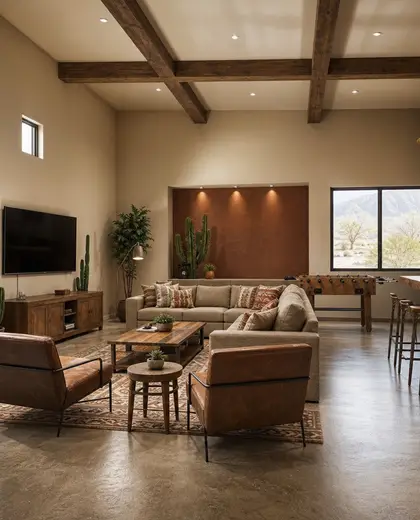
Space composition is defined by an open, breathable layout with clear circulation and generous negative space. It typically uses restrained materials such as plaster, light wood, glass, and stone, with a calm palette of white, sand, beige, gray, and muted earth tones. The composition relies on simple volumes, natural light, and a few well-spaced elements rather than dense furnishing.
- space
— References
References to explore
Does a space composition work in a small home?
Yes. It can make compact rooms feel larger if furniture is kept low, storage is integrated, and sightlines are left open.
What kind of furniture suits this composition?
Simple pieces with clean lines and a light visual footprint suit it best. Oversized or heavily ornamented furniture can break the sense of openness.
Can this composition feel warm, or is it always stark?
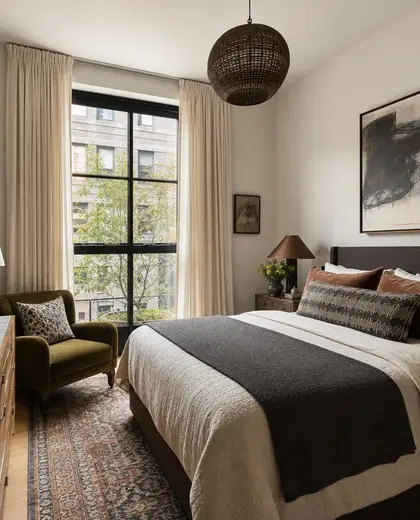
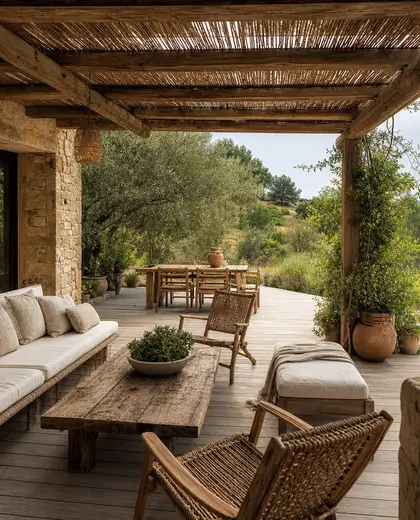
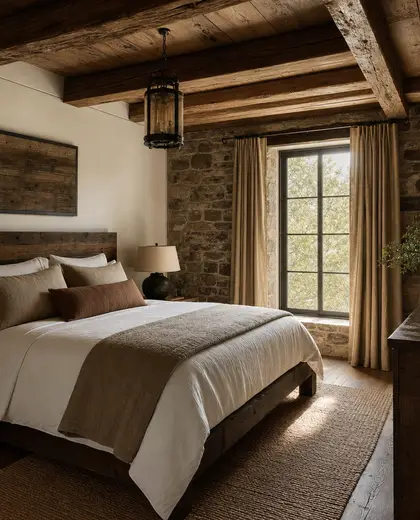
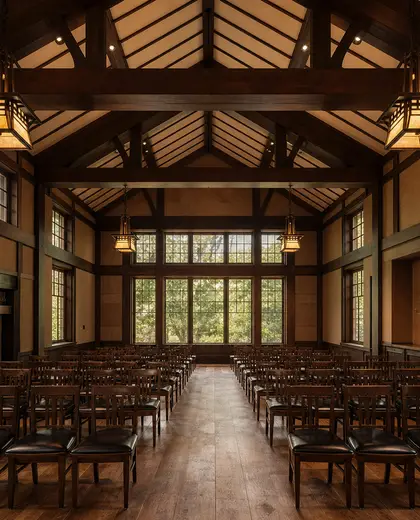
It can feel warm if you use natural materials, soft textures, and a restrained palette with warmer undertones. The key is to keep the layout uncluttered while adding tactile surfaces.


— The style
What defines it
Plaster, limewash, pale wood, glass, stone, and matte metal are common because they keep the room visually light.
Off-white, beige, warm gray, soft taupe, and other low-contrast neutrals support the sense of openness.
Minimal furniture, continuous flooring, large windows, built-ins, and subtle textures work well with this composition.
— Professionals
Who has already built it
- kerem erbagci3d renderers · London · 9 projectsView profile →
- paquis norris group limitedbuilders · Reading · 3 projectsView profile →
- LoftRobejoiners · Guildford · 4 projectsView profile →
- Beneito Faurelighting designers · 2 projectsView profile →
— Explore
Keep exploring
— Questions
Frequently asked questions
Does a space composition work in a small home?
Yes. It can make compact rooms feel larger if furniture is kept low, storage is integrated, and sightlines are left open.
What kind of furniture suits this composition?
Simple pieces with clean lines and a light visual footprint suit it best. Oversized or heavily ornamented furniture can break the sense of openness.
Can this composition feel warm, or is it always stark?
It can feel warm if you use natural materials, soft textures, and a restrained palette with warmer undertones. The key is to keep the layout uncluttered while adding tactile surfaces.