— Ideas & inspiration
Study room design
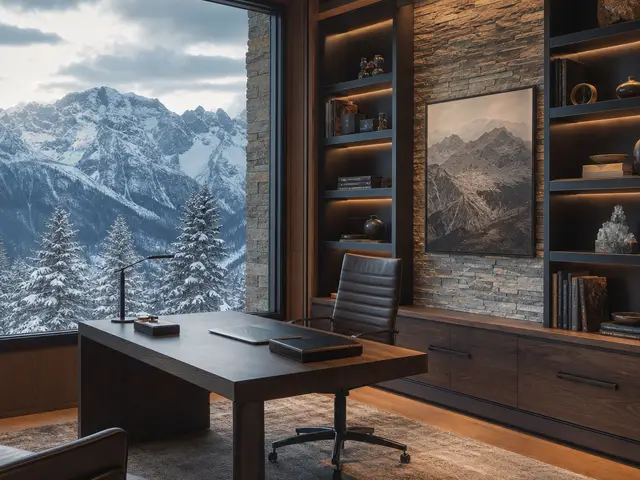
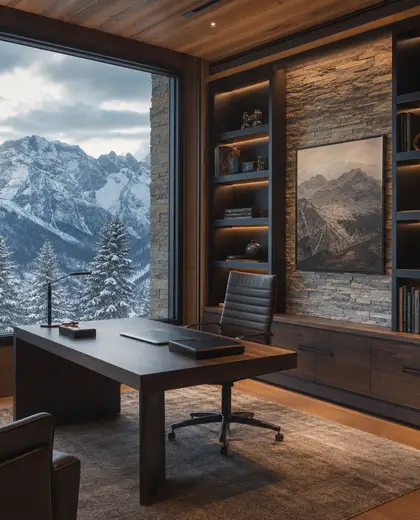
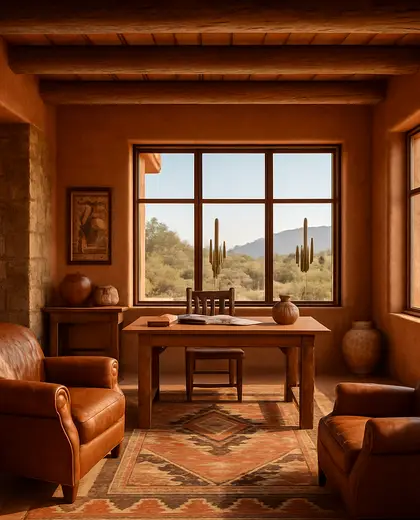
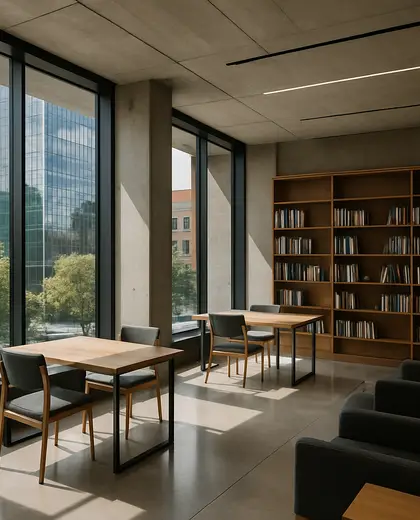
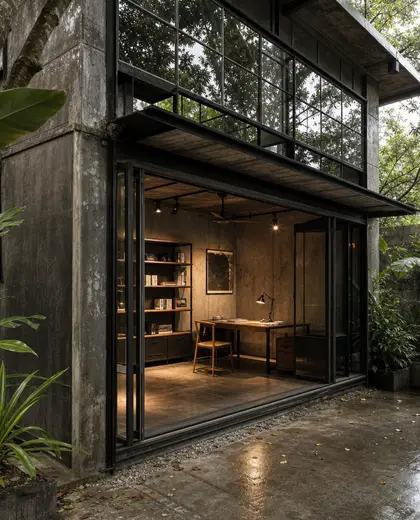
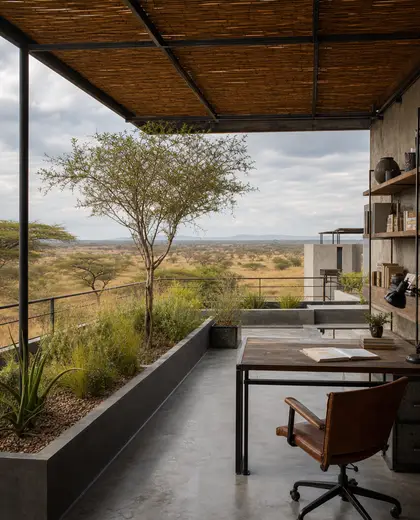
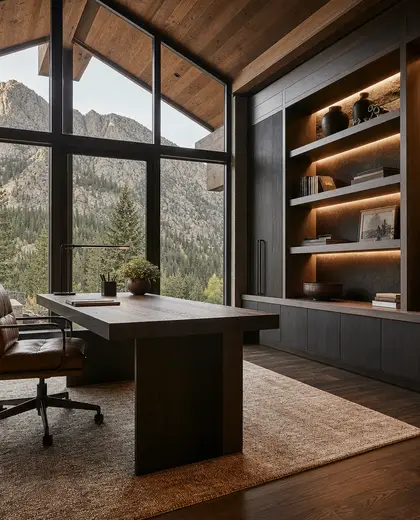
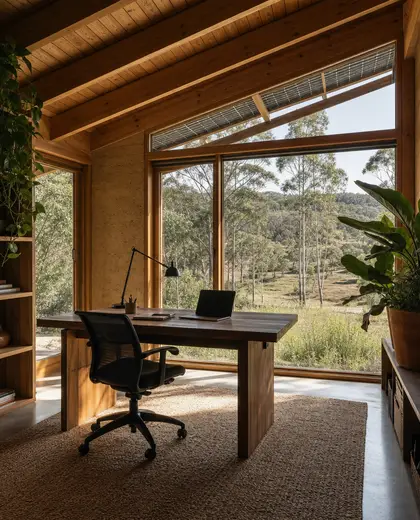
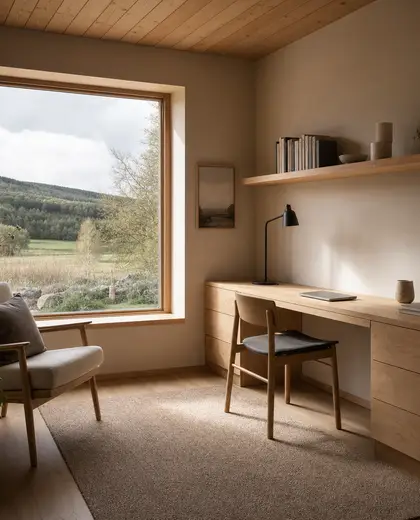
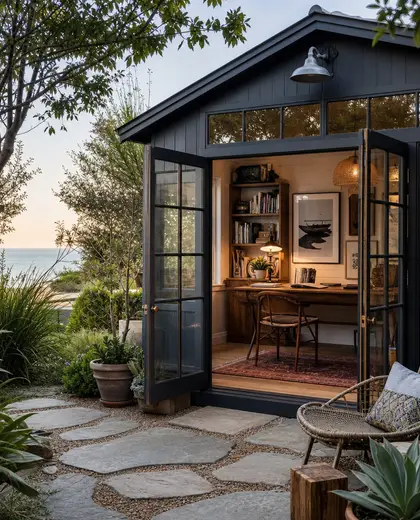
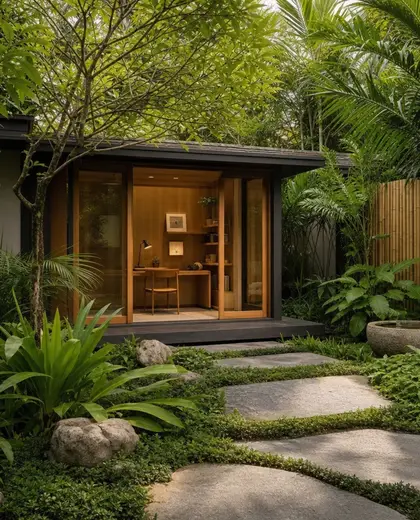
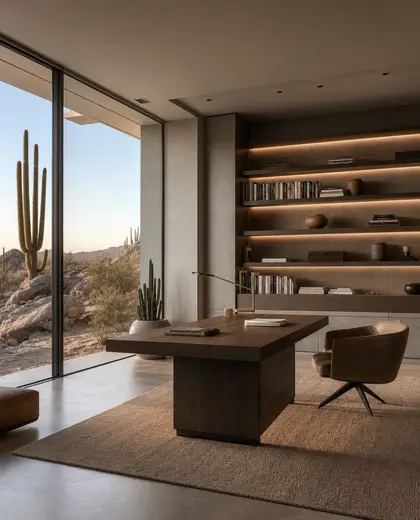
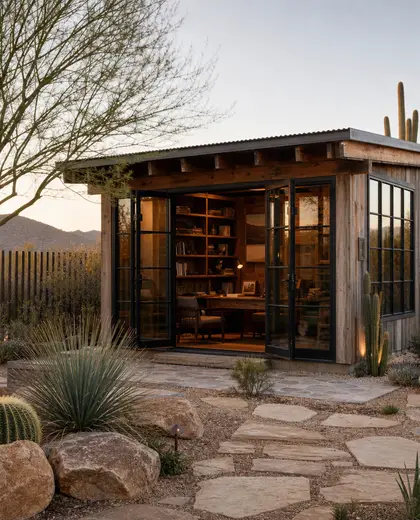
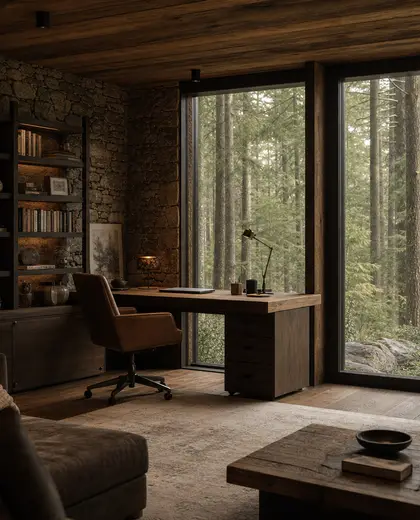
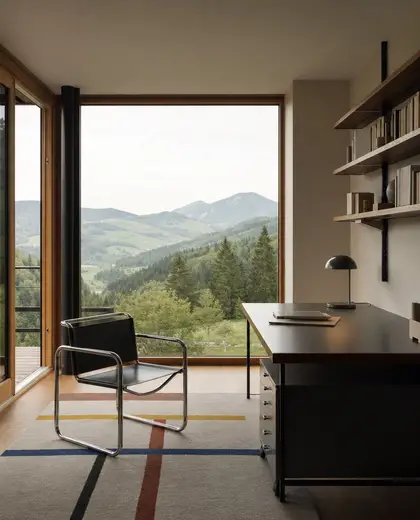
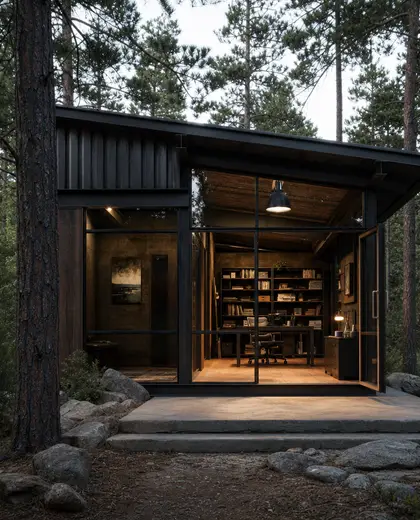
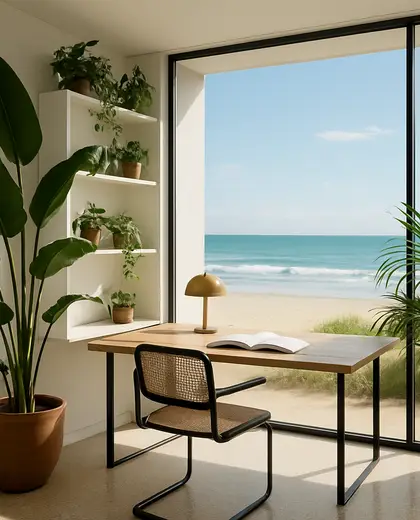
A study composition is defined by a quiet, focused layout built around a desk, storage, and controlled lighting. It usually relies on practical materials such as wood, painted finishes, metal, and glass, with a restrained palette of neutrals, warm browns, deep greens, or muted blues. The look is shaped by clean lines, integrated shelving, task lighting, and minimal decoration so the room feels orderly and concentrated.
- study
— References
References to explore
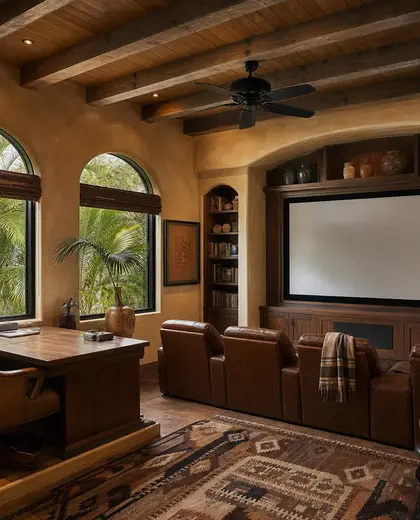
Do I need a separate room for a study composition?
Not necessarily. It can be a dedicated room, a niche under stairs, a corner of a bedroom, or a quiet area within a larger living space.


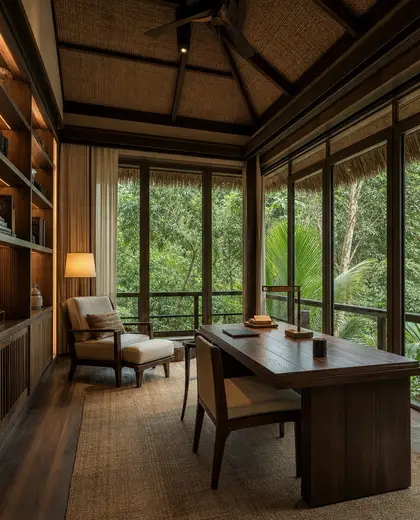
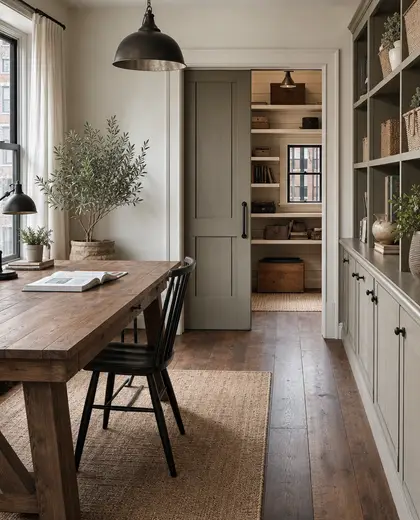
What makes a study feel different from a home office?
A study usually feels more calm and domestic, with fewer visible work tools and more emphasis on books, reading, and focused conversation.
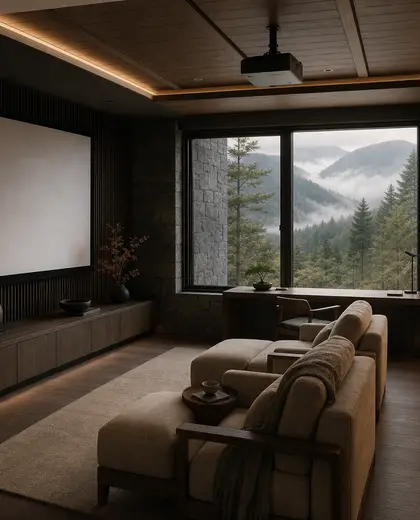
Which finishes work best if I want the room to feel calm?
Matte paint, natural wood, and soft textiles usually work well. High-gloss surfaces and very strong contrasts can feel more active than a typical study needs.


— The style
What defines it
Wood veneer or solid wood, matte painted joinery, metal details, glass fronts, and upholstered seating are common choices.
Neutral bases with warm oak, walnut, charcoal, off-white, olive, or deep blue are typical for a study.
It often pairs with built-in shelving, wall-mounted storage, a task lamp, and a comfortable reading chair or sofa.
— Professionals
Who has already built it
- vorbild architecturearchitects · 6 projectsView profile →
- kerem erbagci3d renderers · London · 9 projectsView profile →
- paquis norris group limitedbuilders · Reading · 3 projectsView profile →
- LoftRobejoiners · Guildford · 4 projectsView profile →
— Explore
Keep exploring
— Questions
Frequently asked questions
Do I need a separate room for a study composition?
Not necessarily. It can be a dedicated room, a niche under stairs, a corner of a bedroom, or a quiet area within a larger living space.
What makes a study feel different from a home office?
A study usually feels more calm and domestic, with fewer visible work tools and more emphasis on books, reading, and focused conversation.
Which finishes work best if I want the room to feel calm?
Matte paint, natural wood, and soft textiles usually work well. High-gloss surfaces and very strong contrasts can feel more active than a typical study needs.