— Ideas & inspiration
Urban composition
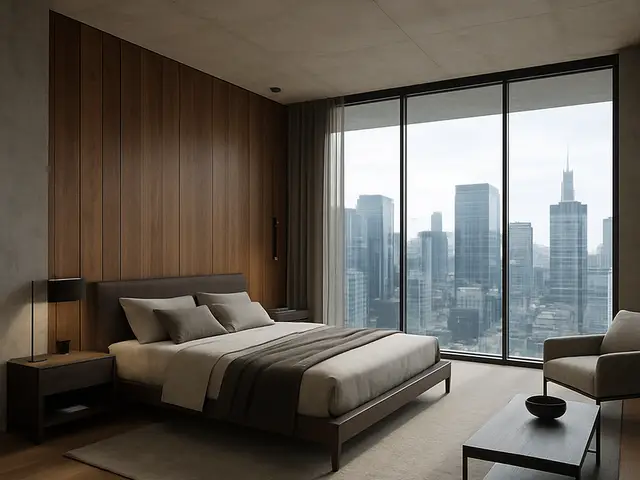
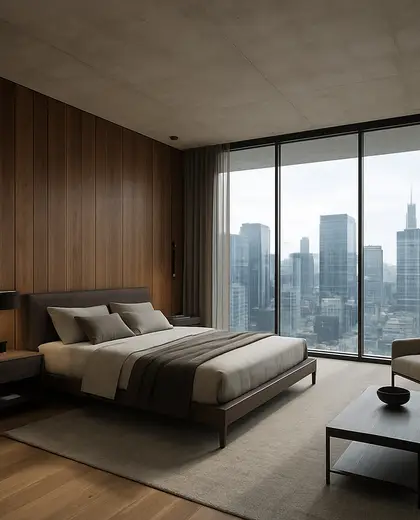
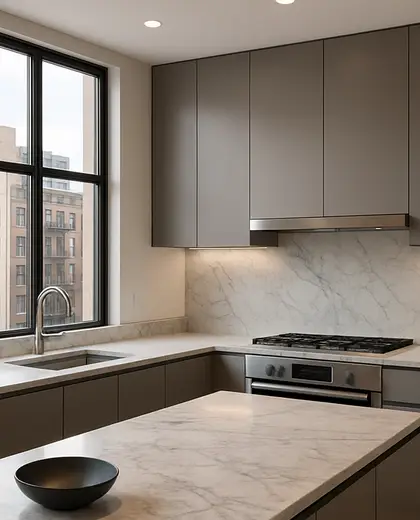
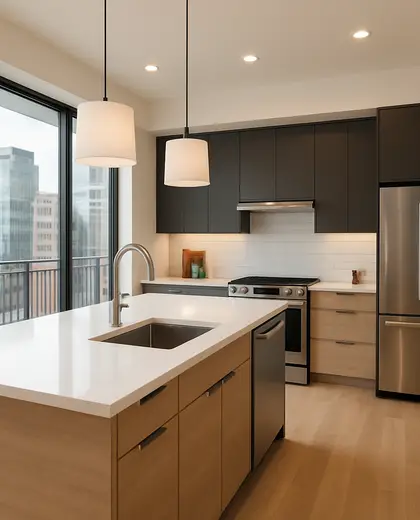
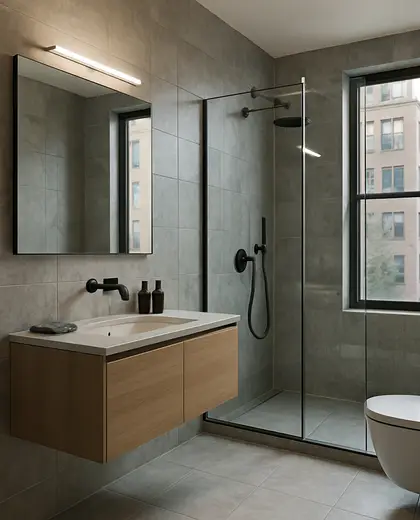
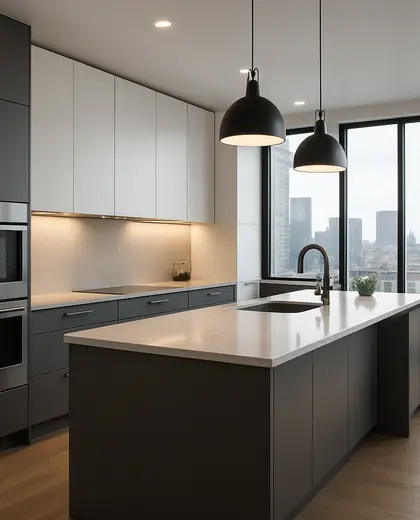
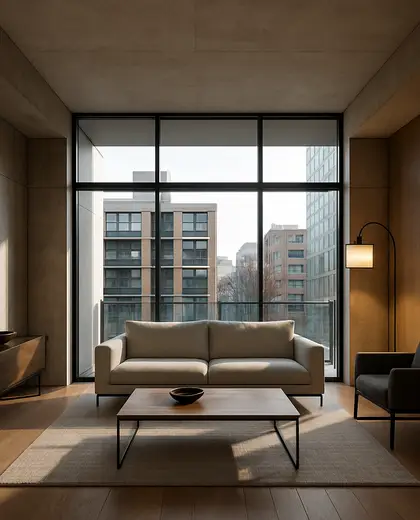
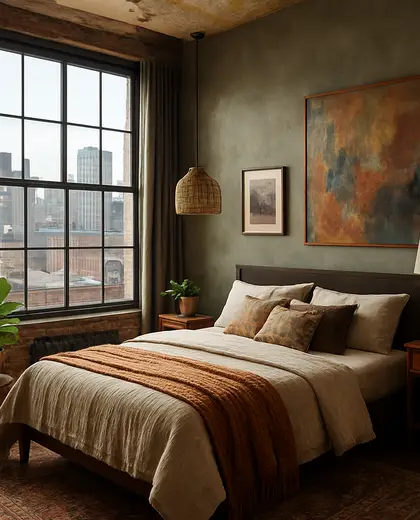
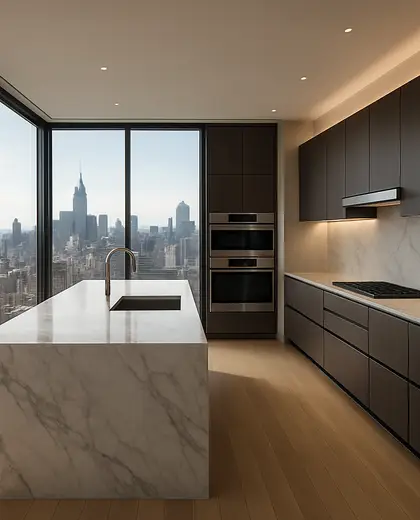
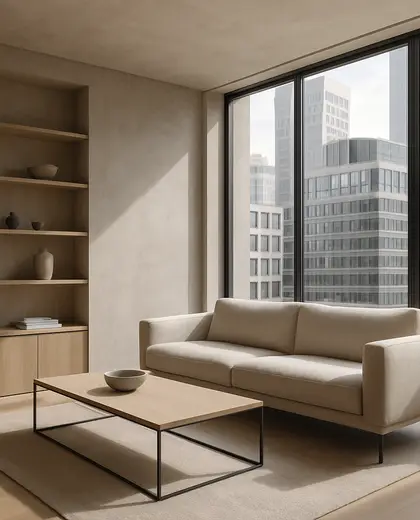
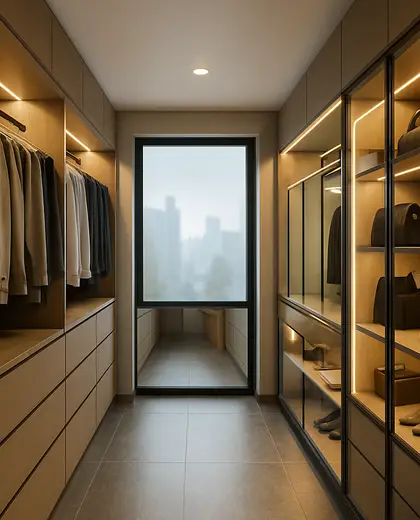
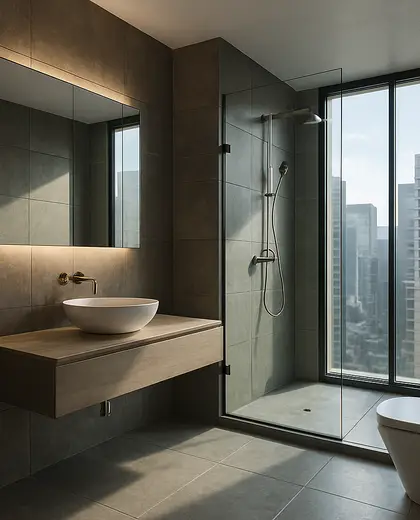
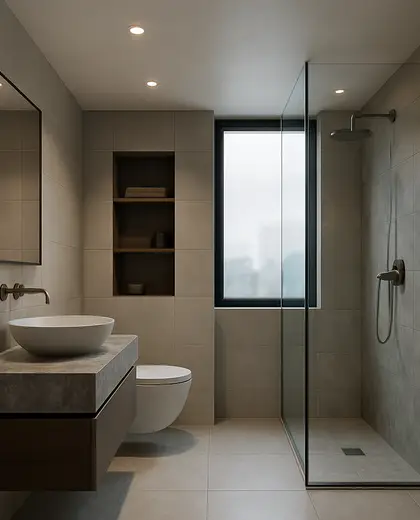
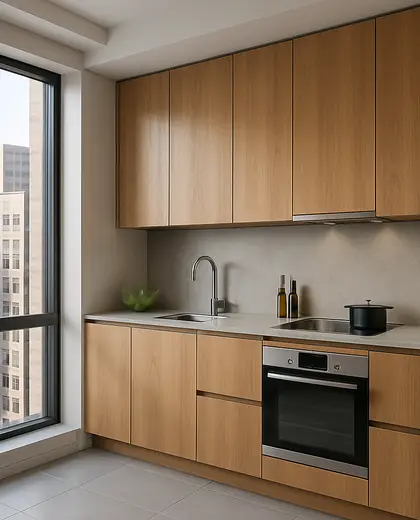
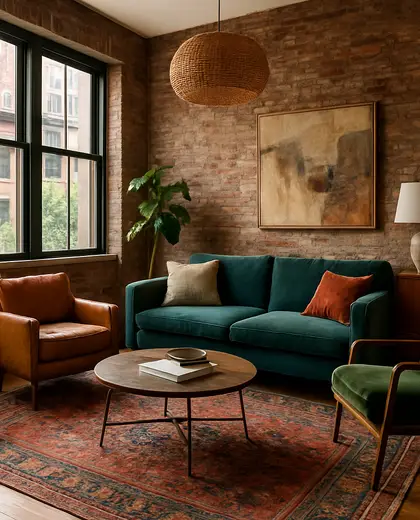
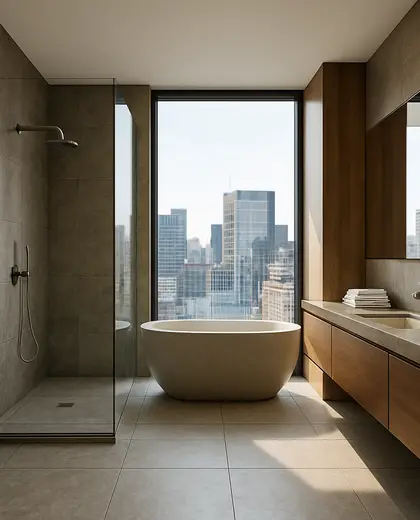
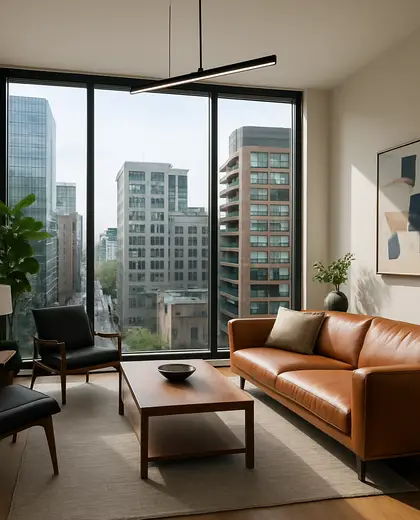
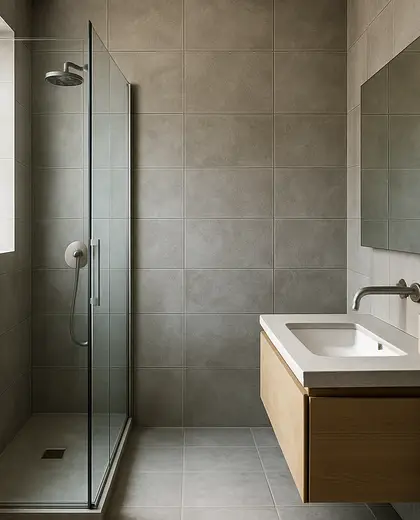
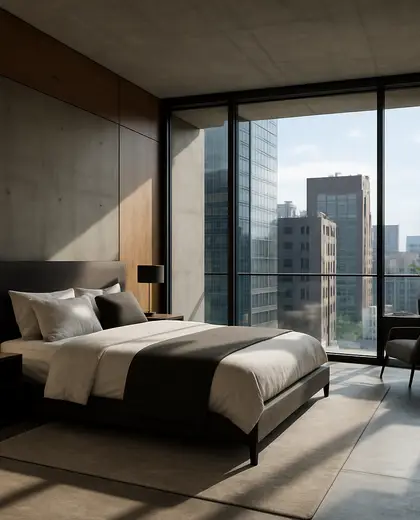
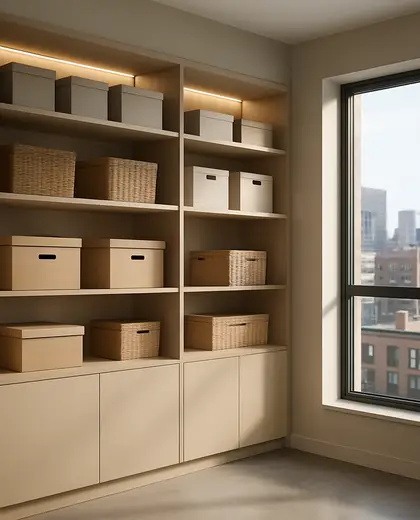
An urban composition is defined by hard-edged, contemporary materials such as concrete, steel, glass, brick, and dark-stained wood. The palette usually stays restrained, with greys, black, charcoal, and muted earthy tones, often balanced by exposed textures and large openings. It combines raw structural surfaces with clean lines, visible hardware, and functional, built-in elements.
- urban
— References
References to explore
Is an urban composition the same as an industrial style?
They overlap, but urban is usually broader. It can include industrial elements, yet it also fits cleaner, more refined spaces with city references, darker tones, and contemporary finishes.
Can an urban composition still feel warm in a home?
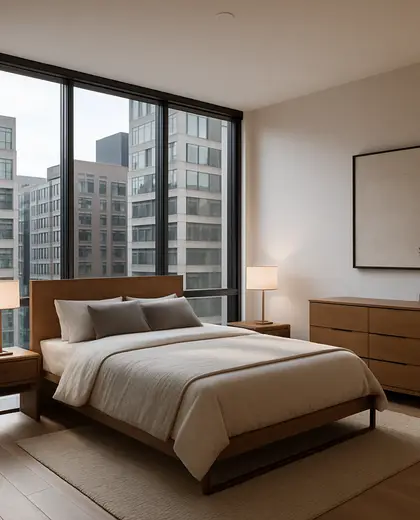
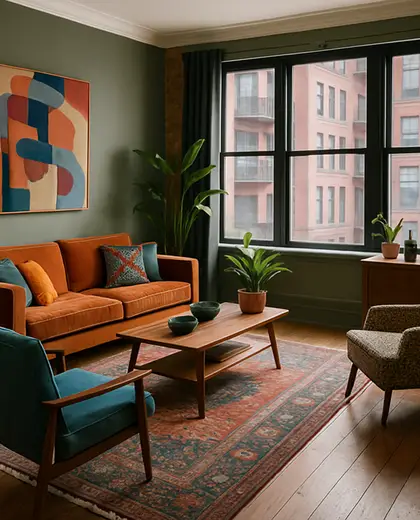
Yes, if you soften the hard materials with timber, textiles, layered lighting, and a few warmer finishes. Without those, the look can feel stark.
Does this composition work in small homes or apartments?
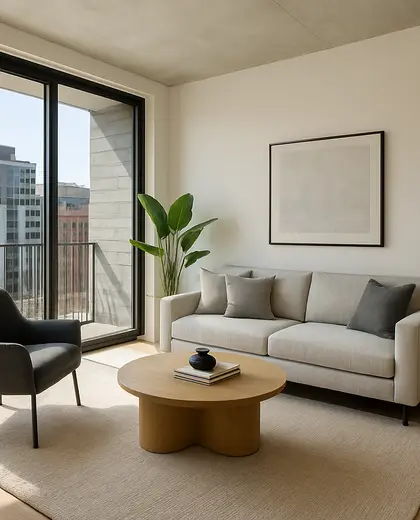
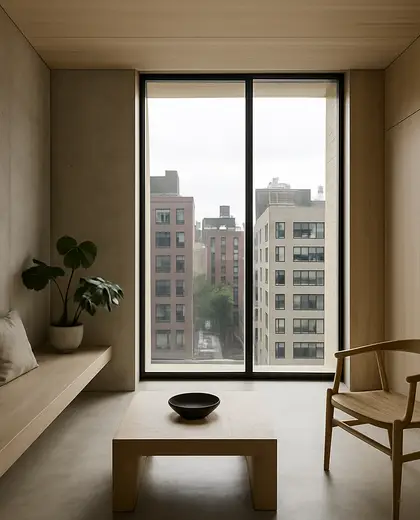
Yes, especially in compact spaces with open layouts and simple detailing. The look depends more on material and color choices than on the size of the home.
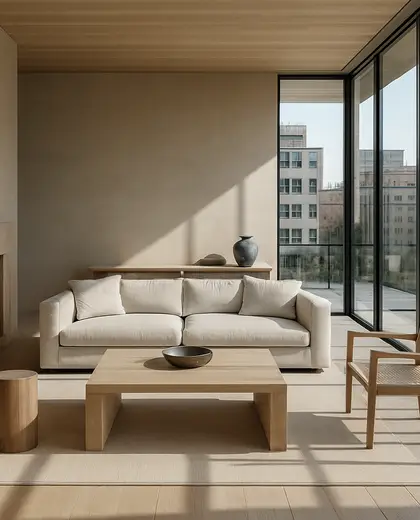
— The style
What defines it
Concrete, steel, glass, brick, metal, and dark or weathered wood are the core materials.
Mostly greys, black, charcoal, taupe, and muted brown, with occasional warm accents from timber or leather.
Works well with minimalist layouts, industrial details, open plans, and loft-like furniture.
— Professionals
Who has already built it
- LoftRobejoiners · Guildford · 4 projectsView profile →
- Beneito Faurelighting designers · 2 projectsView profile →
- Lusso Stonetile suppliers · Stocktonontees · 7 projectsView profile →
- elizabeth bee interior deinterior designers · 4 projectsView profile →
— Explore
Keep exploring
— Questions
Frequently asked questions
Is an urban composition the same as an industrial style?
They overlap, but urban is usually broader. It can include industrial elements, yet it also fits cleaner, more refined spaces with city references, darker tones, and contemporary finishes.
Can an urban composition still feel warm in a home?
Yes, if you soften the hard materials with timber, textiles, layered lighting, and a few warmer finishes. Without those, the look can feel stark.
Does this composition work in small homes or apartments?
Yes, especially in compact spaces with open layouts and simple detailing. The look depends more on material and color choices than on the size of the home.