— Ideas & inspiration
Warehouse composition
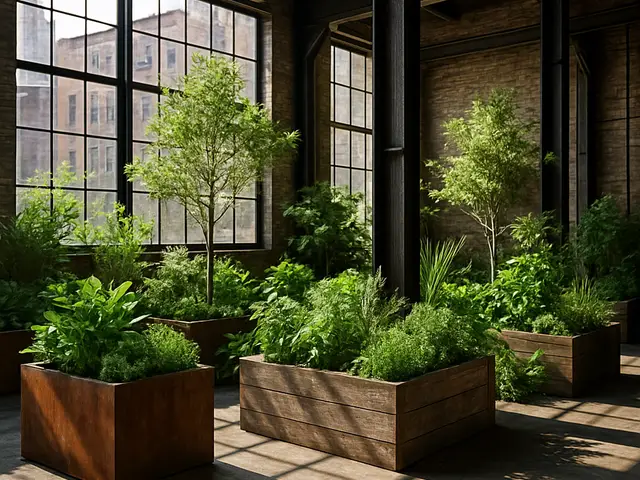
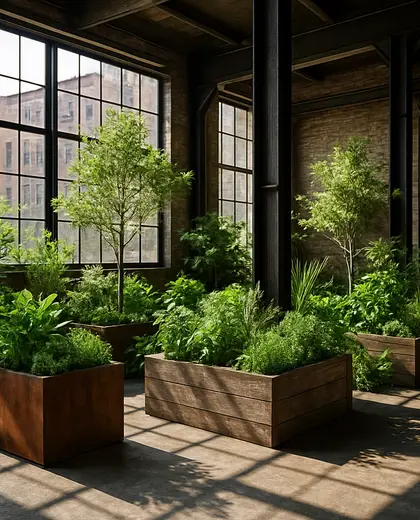
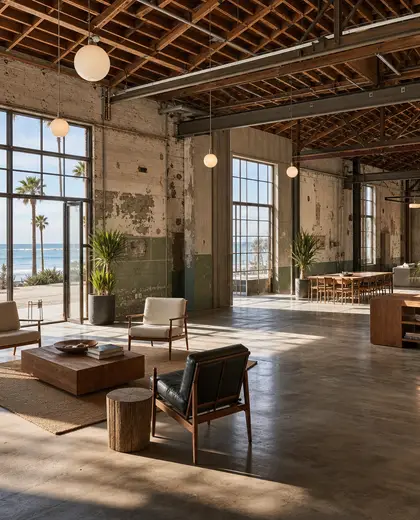
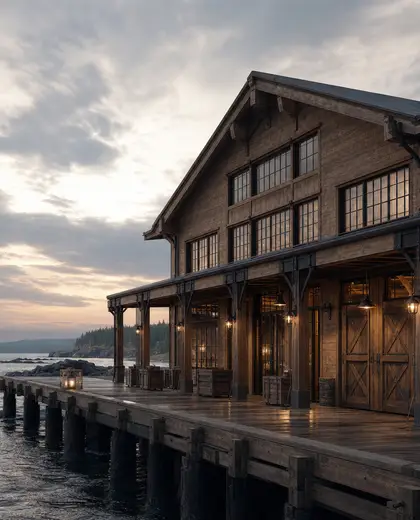
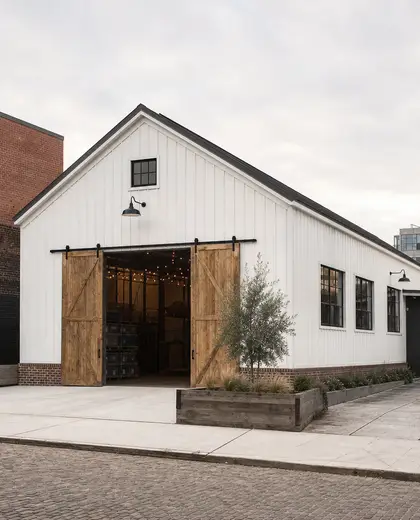
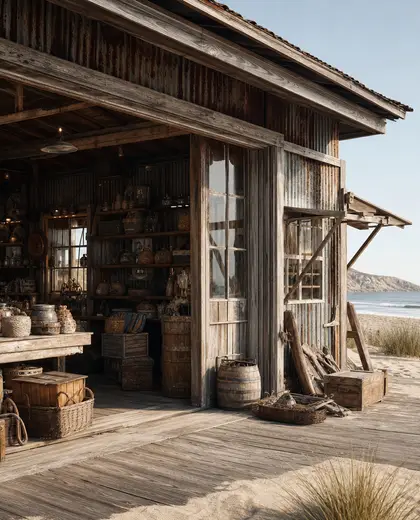
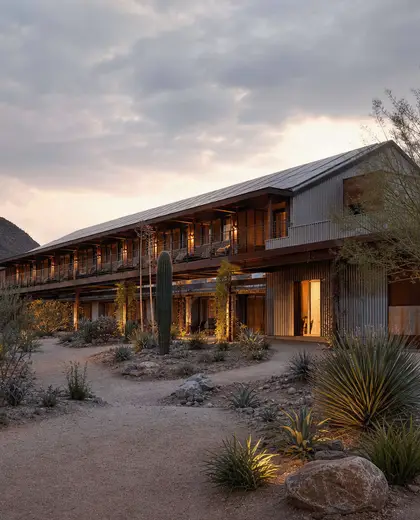
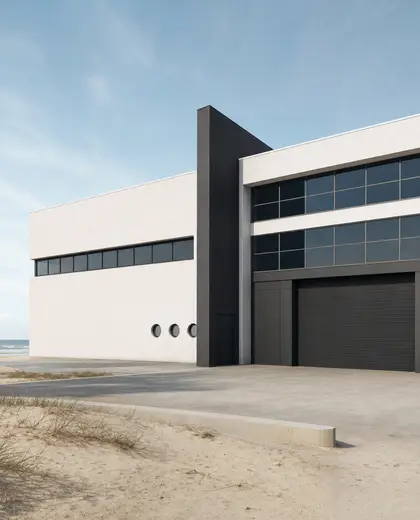
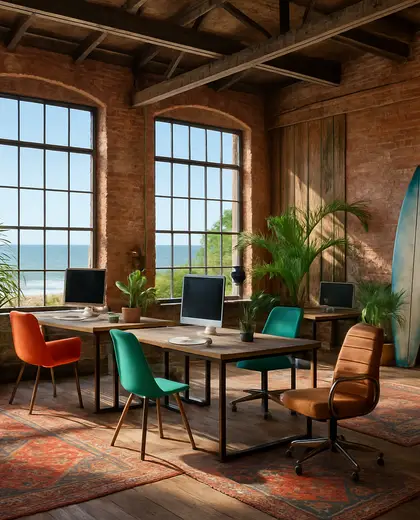
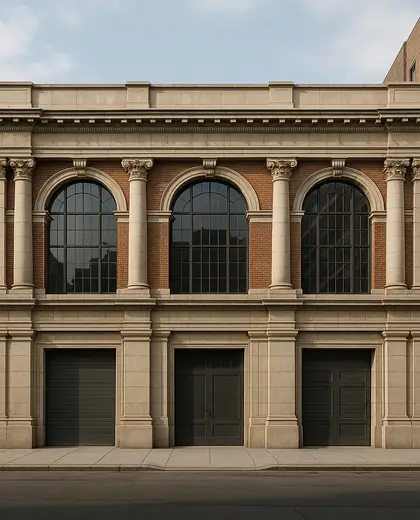
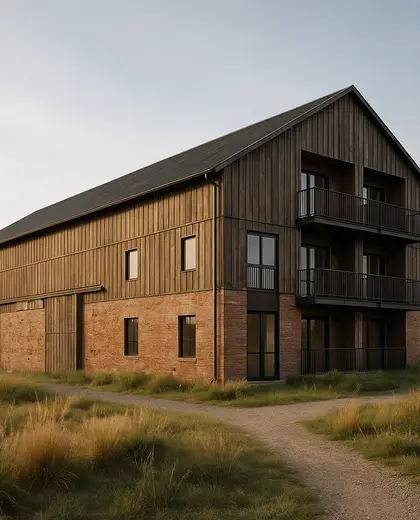
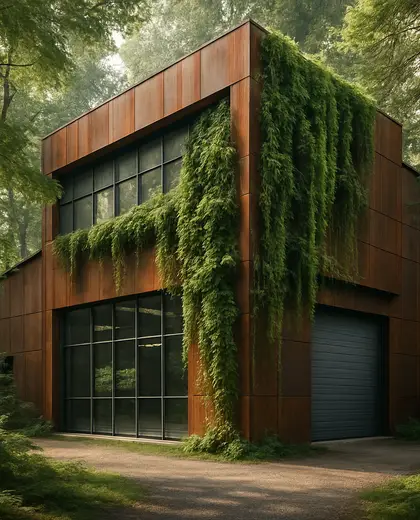
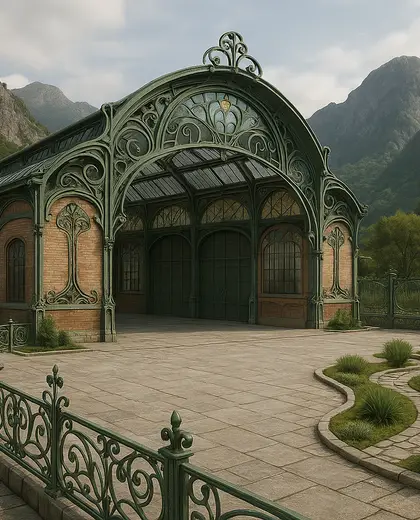
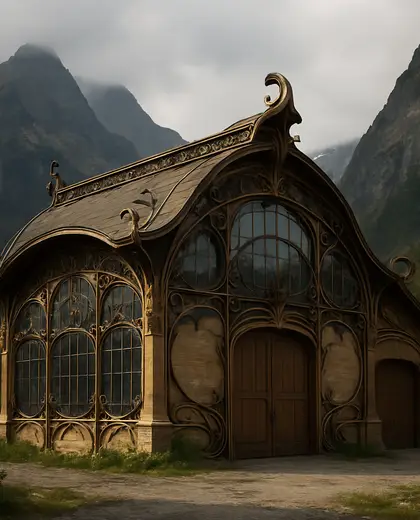
The warehouse composition is defined by exposed structural elements, large open volumes, and hard-wearing industrial materials such as brick, concrete, steel, and weathered timber. The palette is usually restrained, centered on greys, black, brown, and muted neutrals, with light used to emphasize scale and texture. Common defining elements include visible beams, tall windows, utilitarian fixtures, and minimal finishes.
- warehouse
— References
References to explore
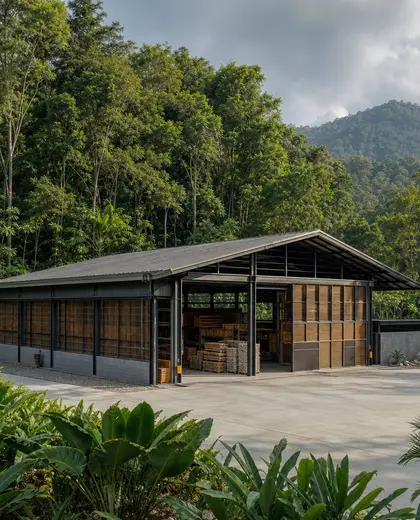
Does a warehouse composition only work in a large loft?
No. It is most convincing in open-plan spaces, but the look can be adapted to smaller homes with a few key cues such as exposed surfaces, industrial lighting, and simple detailing.
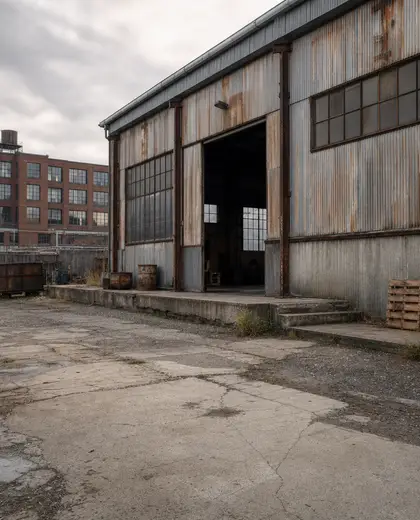
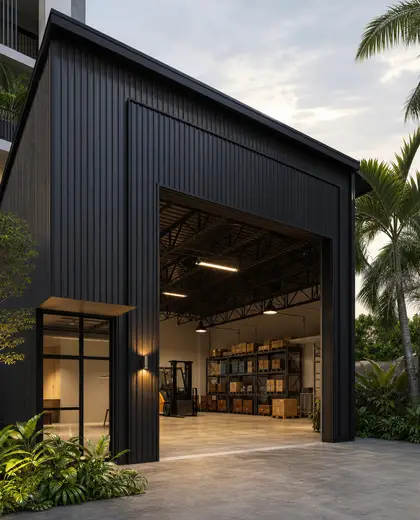
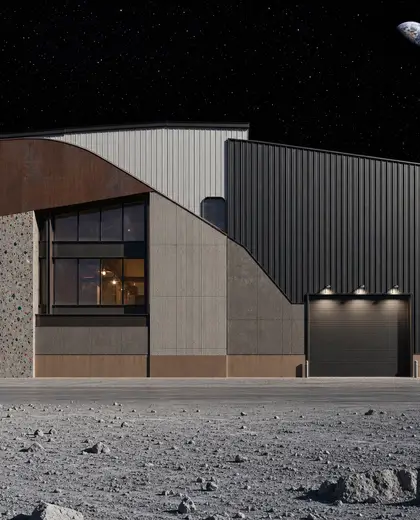
Can it feel warm instead of cold?
Yes. The composition becomes softer when you add timber, textiles, warm lighting, and furniture with rounded or upholstered forms.


Do I need real brick or concrete to use this style?
No. Authentic materials help, but finishes that echo them can also create the effect if the proportions, textures, and detailing stay consistent.
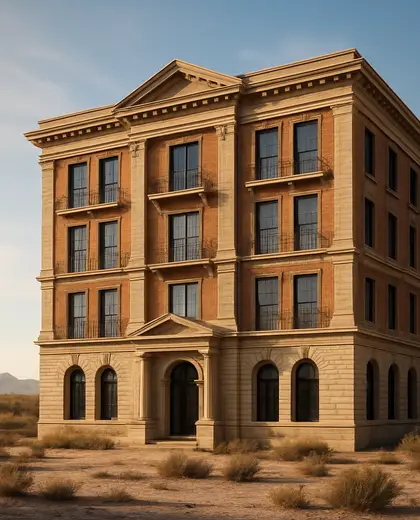
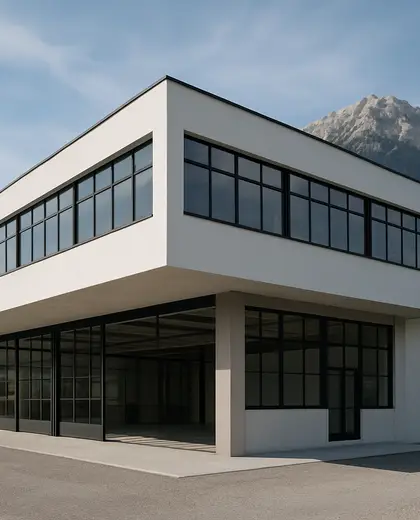

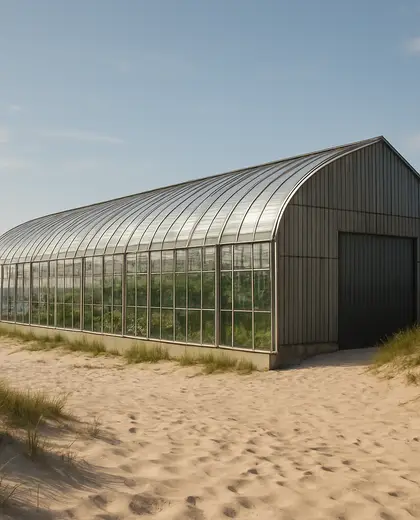
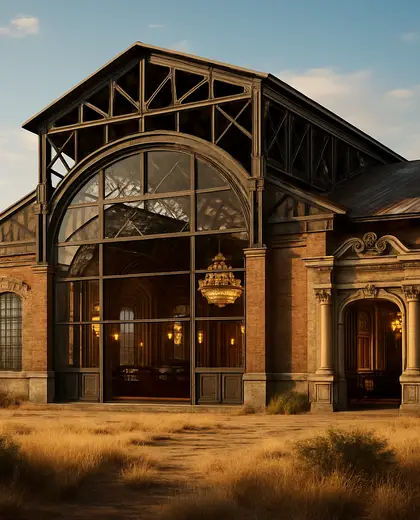
— The style
What defines it
Exposed brick, polished or raw concrete, blackened steel, reclaimed wood, glass, and occasionally corrugated metal.
Neutral and industrial: grey, black, charcoal, off-white, rust, and warm brown accents.
Works well with loft layouts, minimalist furniture, leather seating, black-framed glazing, and vintage or factory-inspired lighting.
— Professionals
Who has already built it
- vorbild architecturearchitects · 6 projectsView profile →
- kerem erbagci3d renderers · London · 9 projectsView profile →
- paquis norris group limitedbuilders · Reading · 3 projectsView profile →
- LoftRobejoiners · Guildford · 4 projectsView profile →
— Explore
Keep exploring
— Questions
Frequently asked questions
Does a warehouse composition only work in a large loft?
No. It is most convincing in open-plan spaces, but the look can be adapted to smaller homes with a few key cues such as exposed surfaces, industrial lighting, and simple detailing.
Can it feel warm instead of cold?
Yes. The composition becomes softer when you add timber, textiles, warm lighting, and furniture with rounded or upholstered forms.
Do I need real brick or concrete to use this style?
No. Authentic materials help, but finishes that echo them can also create the effect if the proportions, textures, and detailing stay consistent.