— Ideas & inspiration
Youth Room
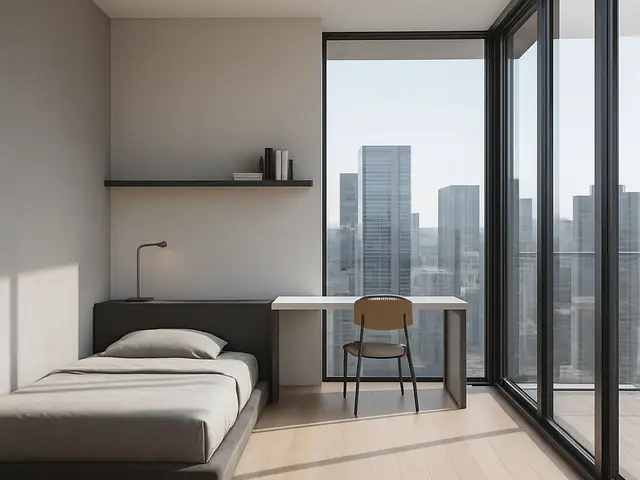
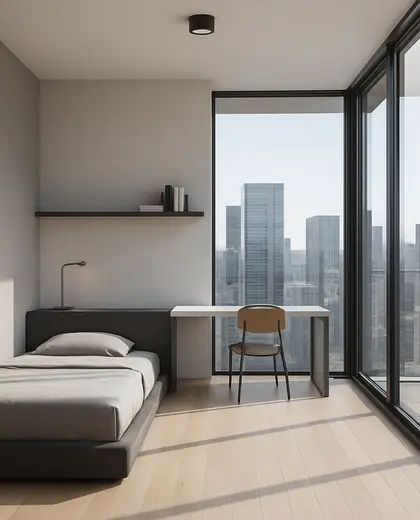
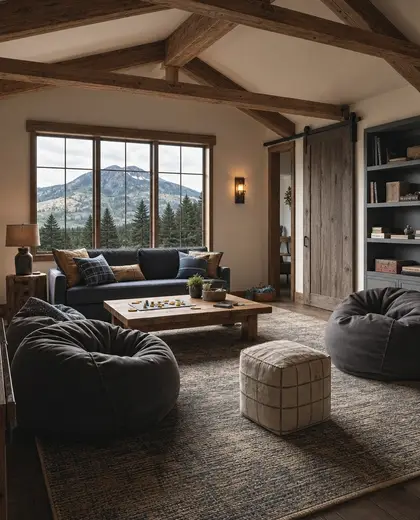
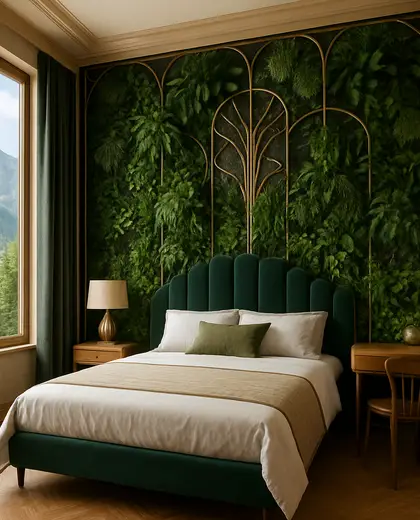
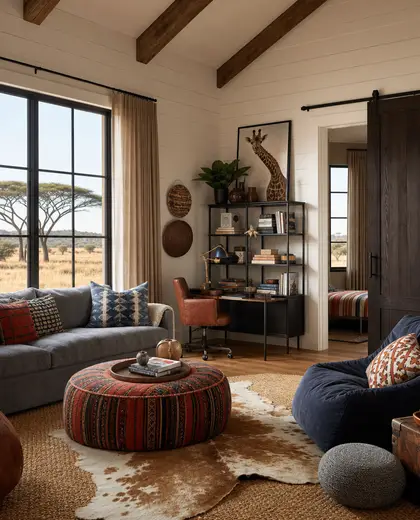
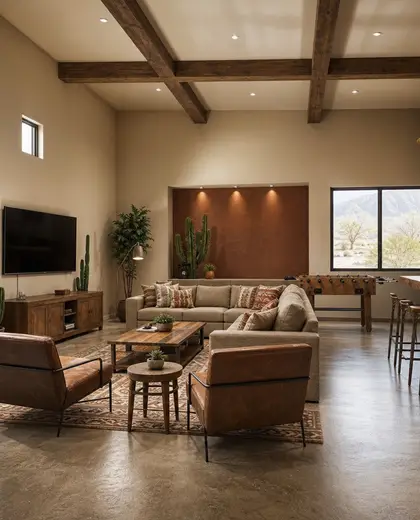
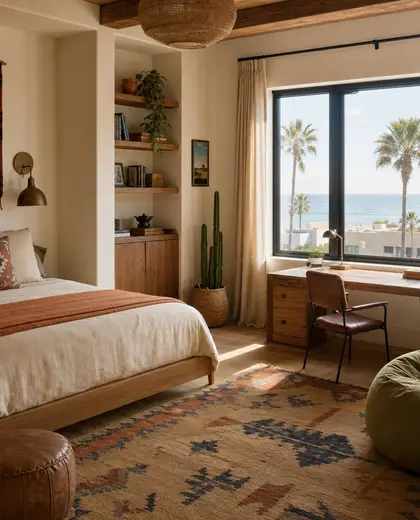
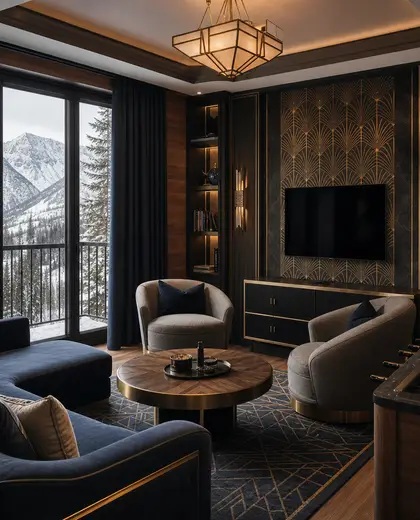
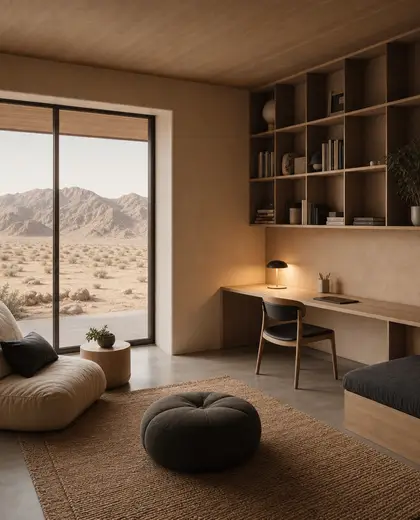
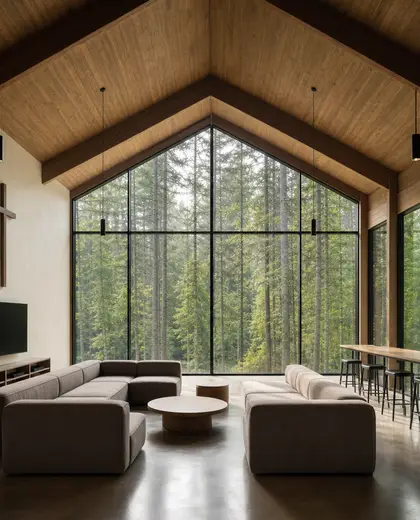
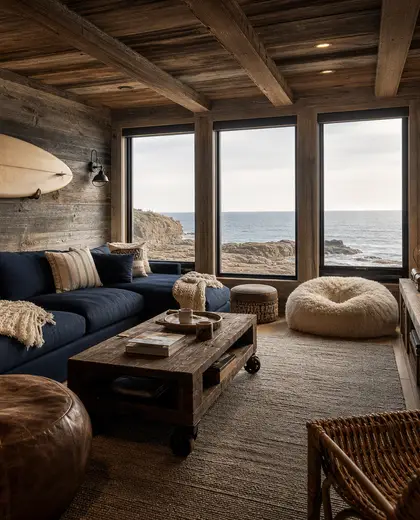
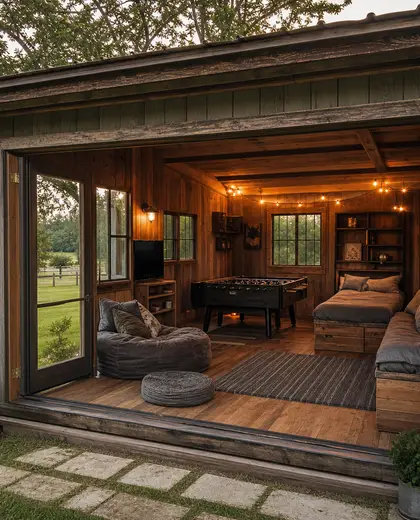
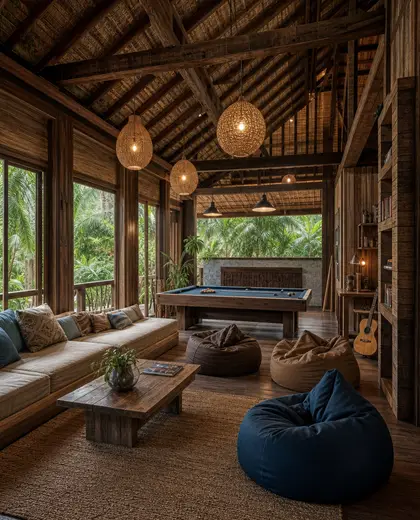
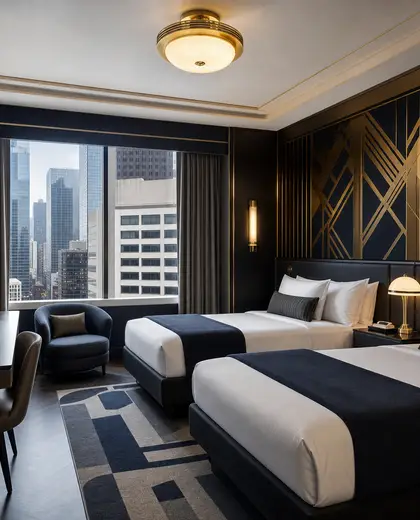
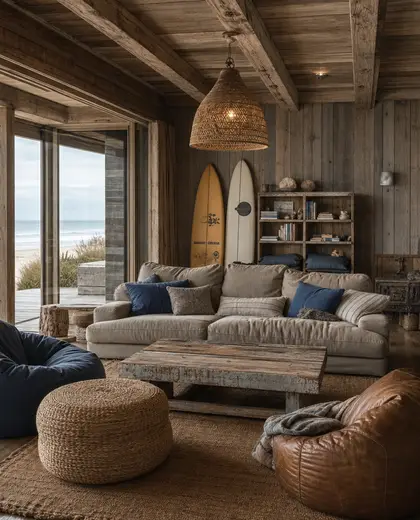
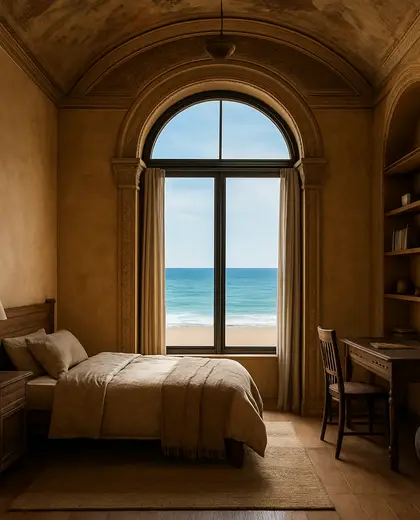
A youth room is usually defined by flexible, durable finishes and furniture that can adapt as a child grows. Common materials include painted drywall, wood, laminate, fabric upholstery, and easy-clean flooring, with a palette that often stays light and neutral or adds energetic accents in blue, green, yellow, or terracotta. Key elements are a bed or daybed, a study area, storage, and space for play or hobbies.
- youth room
— References
References to explore
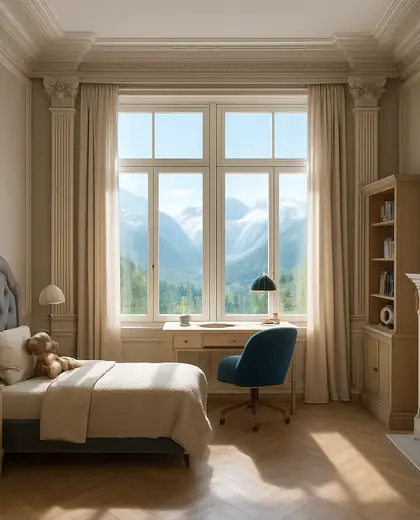
What makes a youth room different from a regular bedroom?
It usually balances sleeping, studying, storage, and leisure in one room, with furniture and finishes chosen to be practical and adaptable over time.
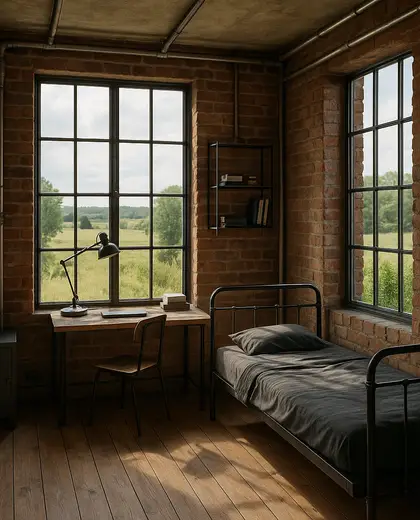
Which materials work best for a youth room?
Durable, easy-maintenance materials are most common: painted walls, wood or laminate furniture, and floors that can handle daily wear.
How should I choose the colors?
Start with a calm base and add one or two accent colors that suit the child’s age and taste. Keeping the main finishes neutral makes it easier to update the room later.
— The style
What defines it
Painted walls, wood or MDF furniture, laminate surfaces, washable textiles, and resilient flooring such as vinyl, cork, or engineered wood.
Neutral bases like white, beige, gray, or soft pastels, often combined with brighter accent colors for a more youthful feel.
Built-in storage, a desk, shelving, pinboards, soft rugs, and lighting that supports both rest and study.
— Professionals
Who has already built it
- vorbild architecturearchitects · 6 projectsView profile →
- kerem erbagci3d renderers · London · 9 projectsView profile →
- paquis norris group limitedbuilders · Reading · 3 projectsView profile →
- LoftRobejoiners · Guildford · 4 projectsView profile →
— Explore
Keep exploring
— Questions
Frequently asked questions
What makes a youth room different from a regular bedroom?
It usually balances sleeping, studying, storage, and leisure in one room, with furniture and finishes chosen to be practical and adaptable over time.
Which materials work best for a youth room?
Durable, easy-maintenance materials are most common: painted walls, wood or laminate furniture, and floors that can handle daily wear.
How should I choose the colors?
Start with a calm base and add one or two accent colors that suit the child’s age and taste. Keeping the main finishes neutral makes it easier to update the room later.