— Ideas & inspiration
Beach composition
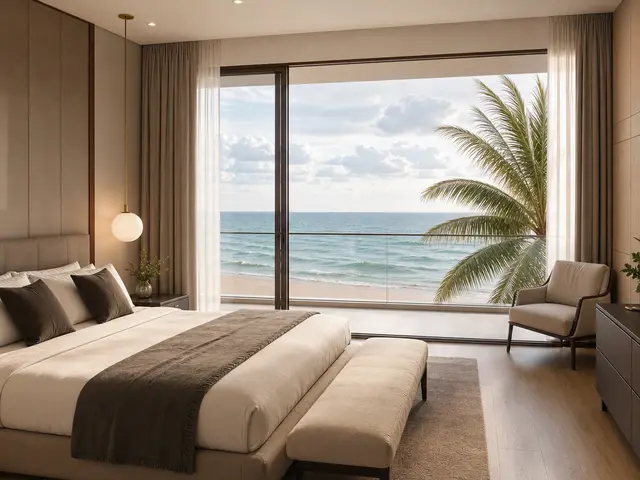
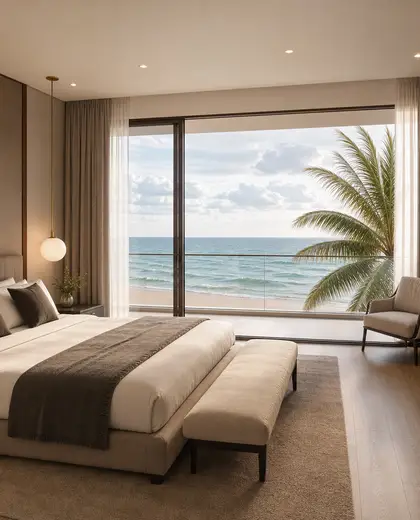
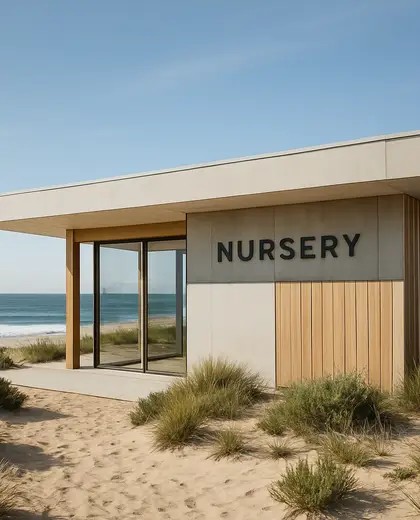
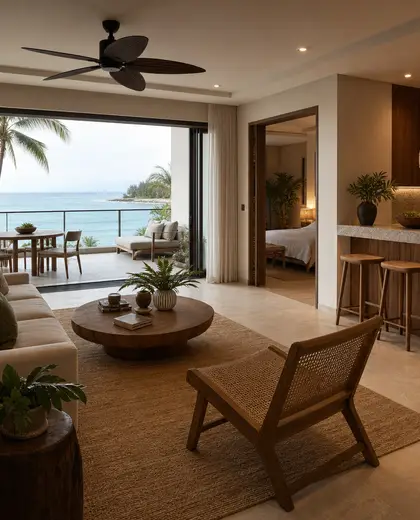
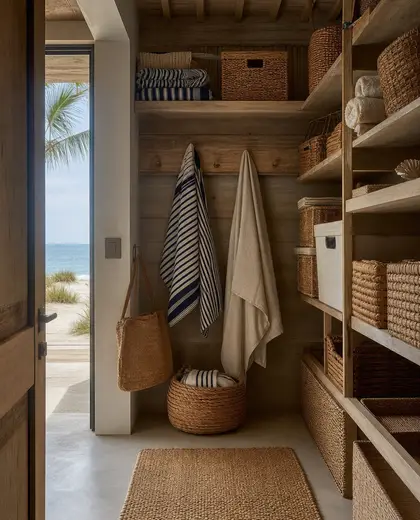
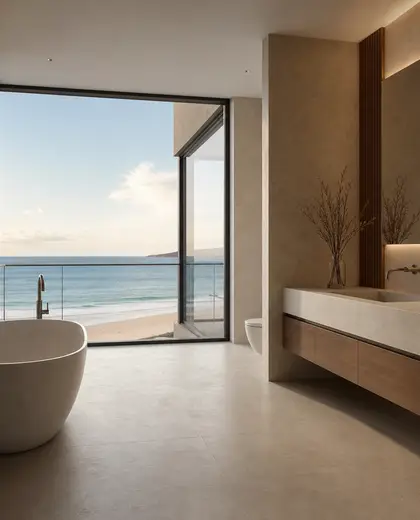
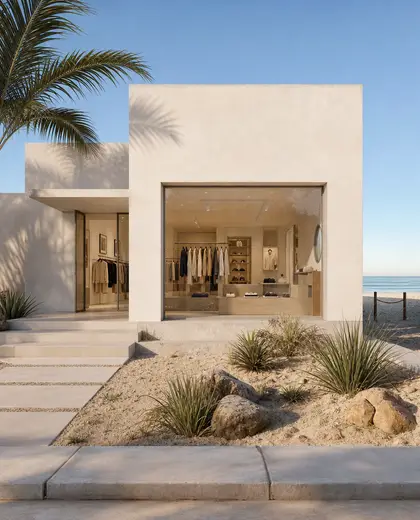
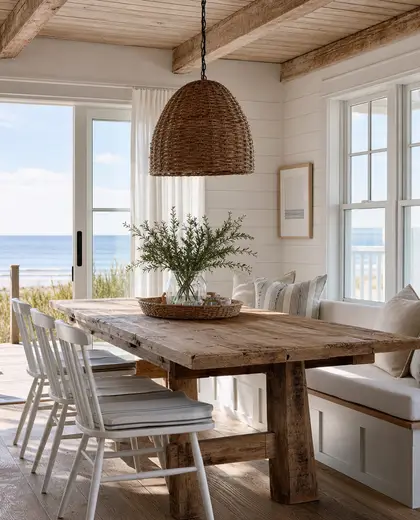
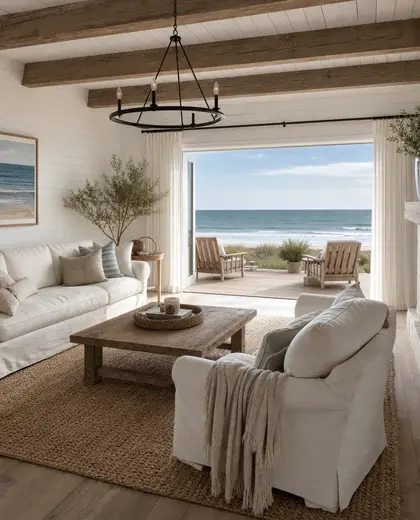
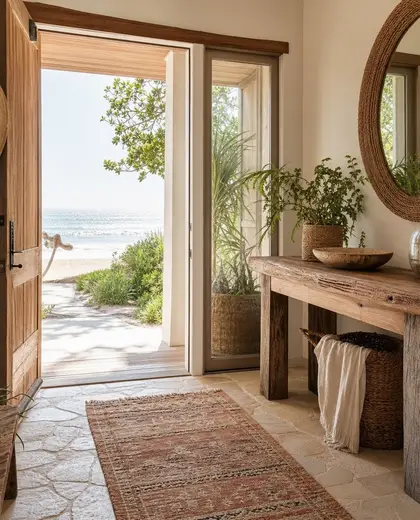
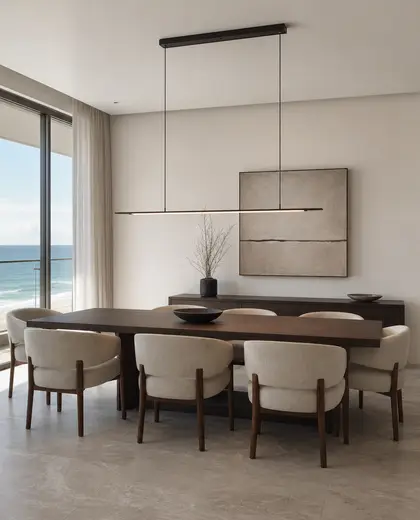
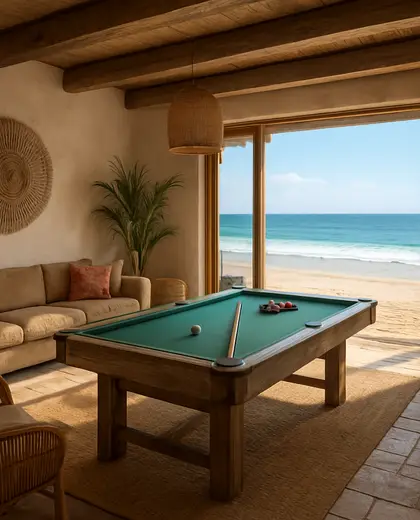
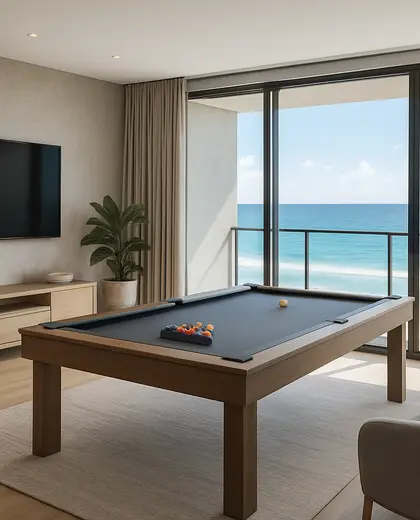
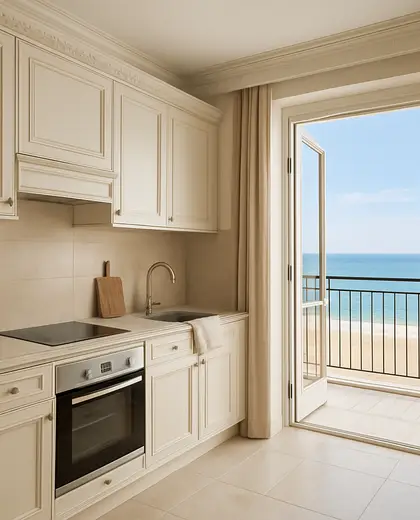
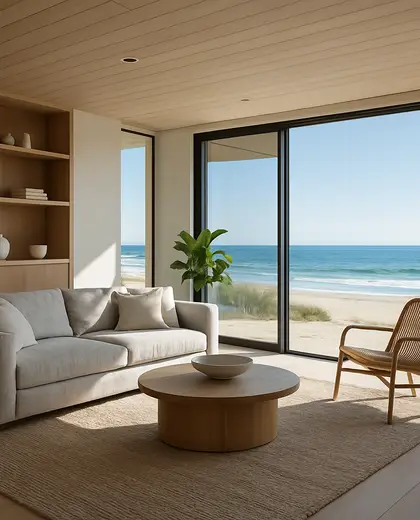
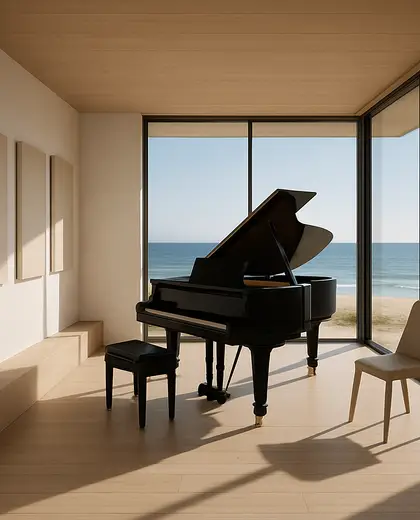
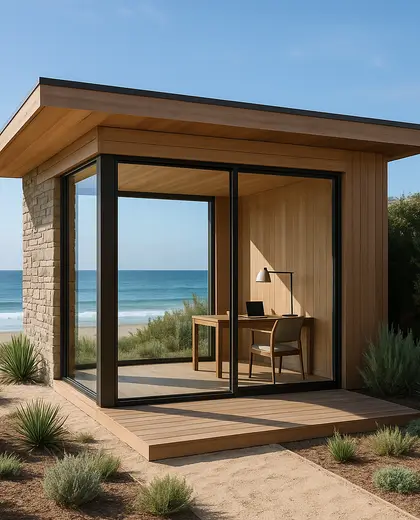
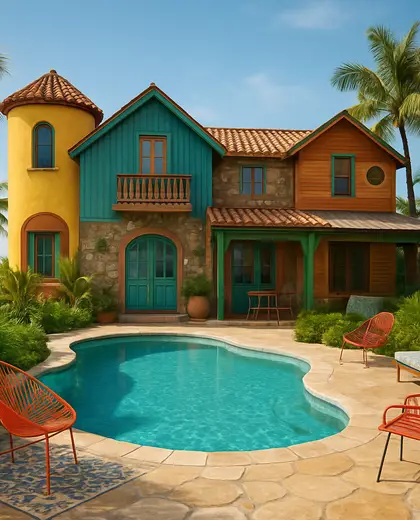
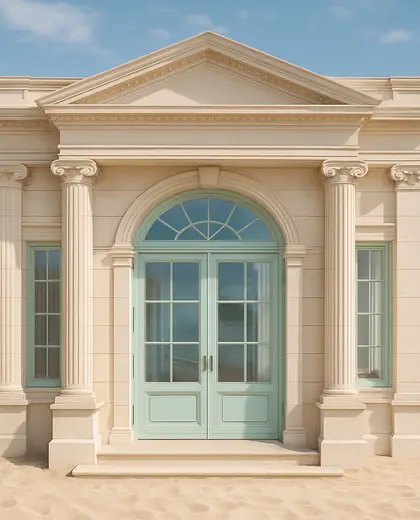
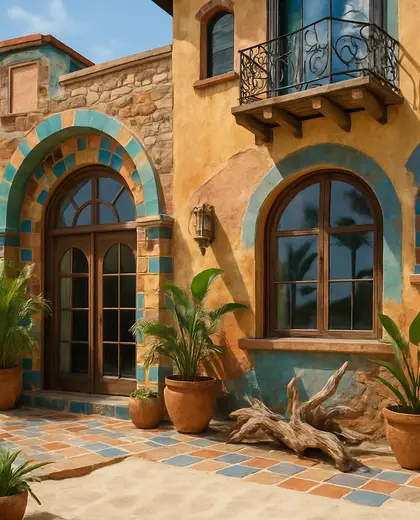
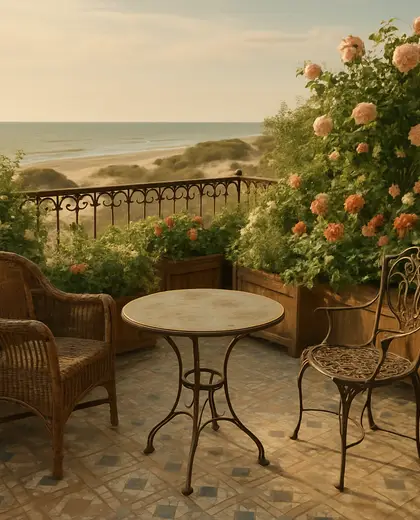
A beach composition is defined by light, weathered materials such as timber, white render, natural stone, and linen-like finishes. The palette stays airy and sun-washed, with whites, sand, pale blues, and soft greys. Its defining elements are open volumes, shaded terraces, large glazing, and details that tolerate salt, wind, and strong sunlight.
- beach
— References
References to explore
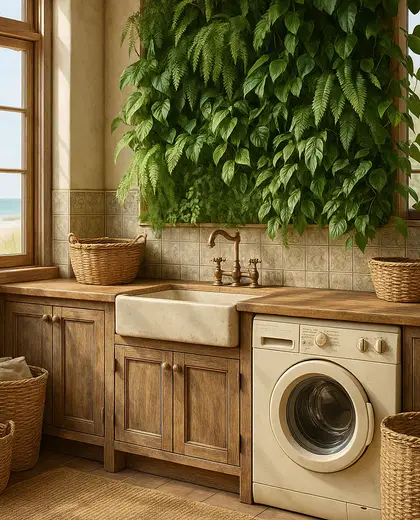
Is a beach composition only for houses right by the sea?
No. It can work inland if you use the same light palette, natural textures, and relaxed proportions.
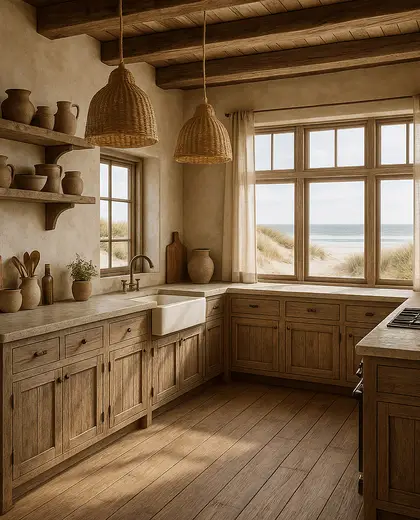
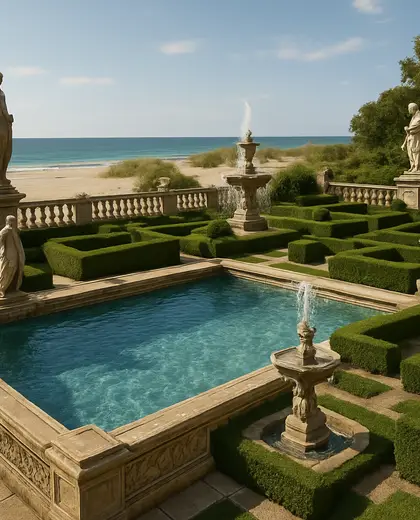
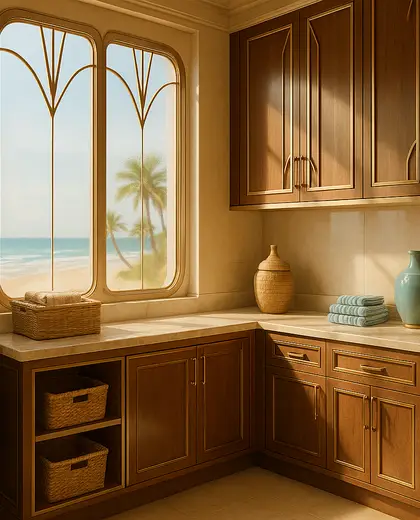
What materials hold up best in a beach setting?
Materials that resist moisture and salt usually perform best, such as treated timber, stone, concrete, stainless steel, and weather-resistant finishes.
Does this style need a very bright white exterior?
Not necessarily. Softer whites, warm neutrals, and pale sandy tones often feel more natural and less stark in coastal light.
— The style
What defines it
Weathered timber, white plaster or render, light stone, rattan, and corrosion-resistant metals are typical.
Off-white, sand, beige, driftwood brown, pale blue, and muted grey create the coastal look.
It pairs well with contemporary, Mediterranean, tropical, and relaxed minimal interiors or facades.
— Professionals
Who has already built it
- elizabeth bee interior deinterior designers · 4 projectsView profile →
- slade slade design3d renderers · Bristol · 6 projectsView profile →
- maria mateaarchitects · London · 7 projectsView profile →
- paquis norris group limitedbuilders · Reading · 3 projectsView profile →
— Explore
Keep exploring
— Questions
Frequently asked questions
Is a beach composition only for houses right by the sea?
No. It can work inland if you use the same light palette, natural textures, and relaxed proportions.
What materials hold up best in a beach setting?
Materials that resist moisture and salt usually perform best, such as treated timber, stone, concrete, stainless steel, and weather-resistant finishes.
Does this style need a very bright white exterior?
Not necessarily. Softer whites, warm neutrals, and pale sandy tones often feel more natural and less stark in coastal light.