— Ideas & inspiration
Eclectic composition
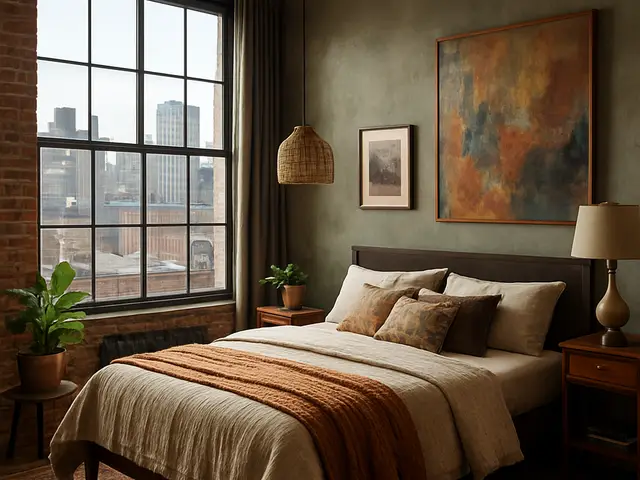
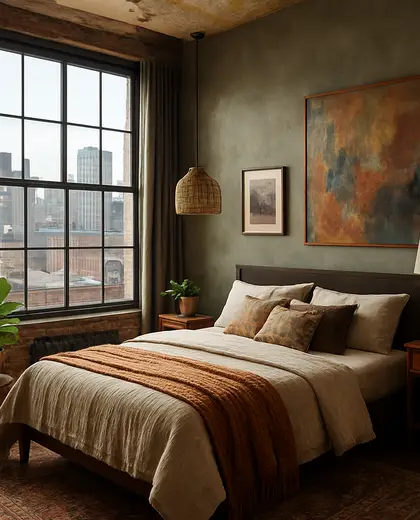
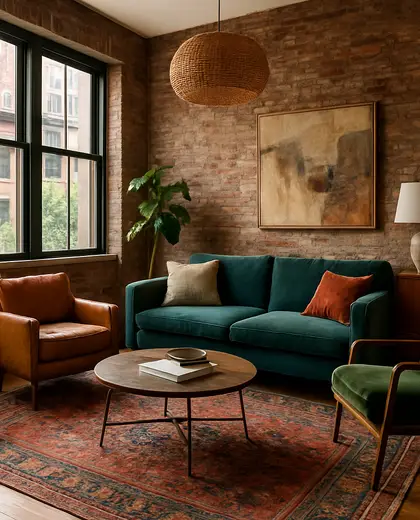
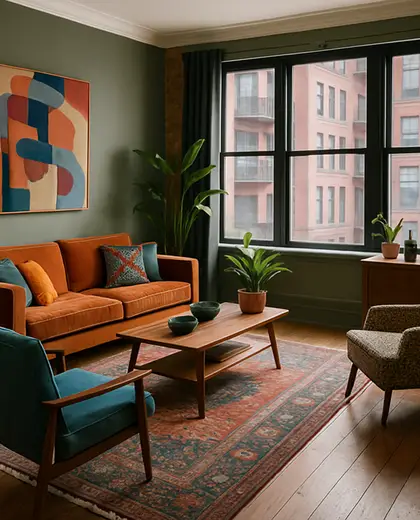
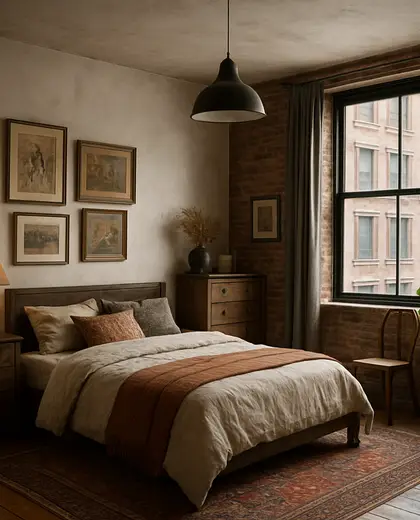
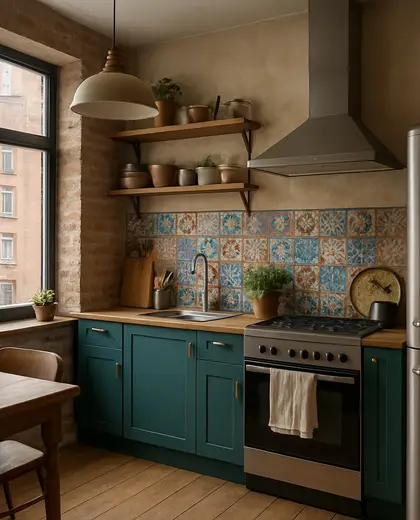
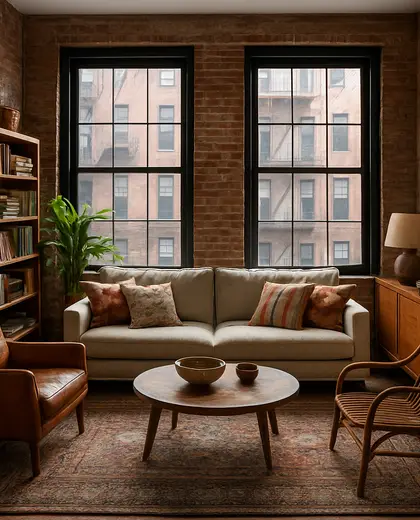
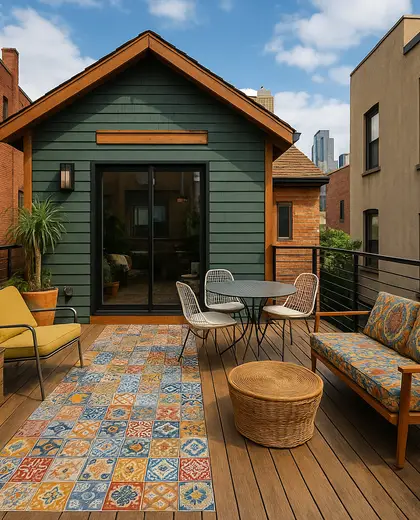
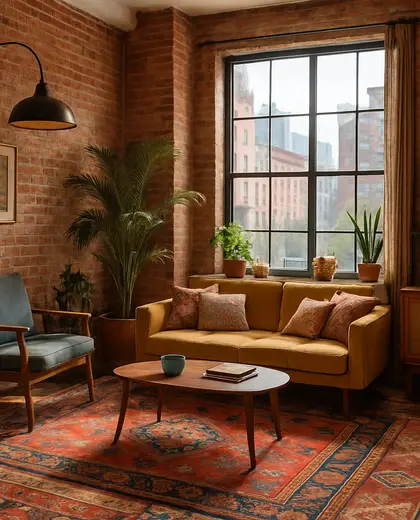
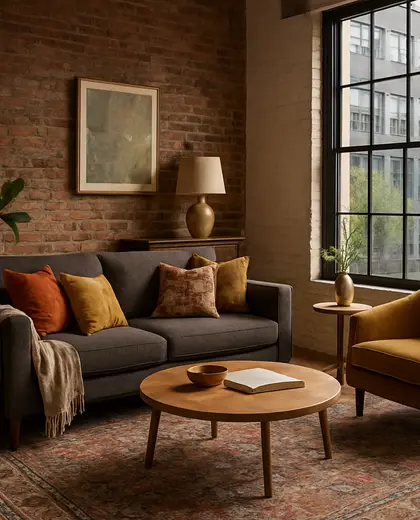
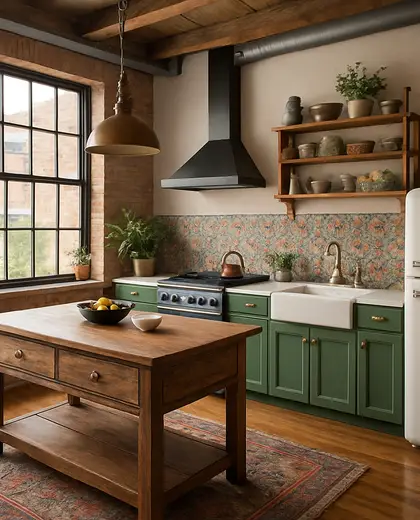
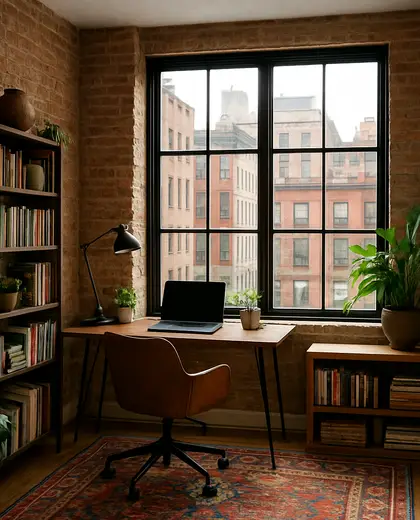
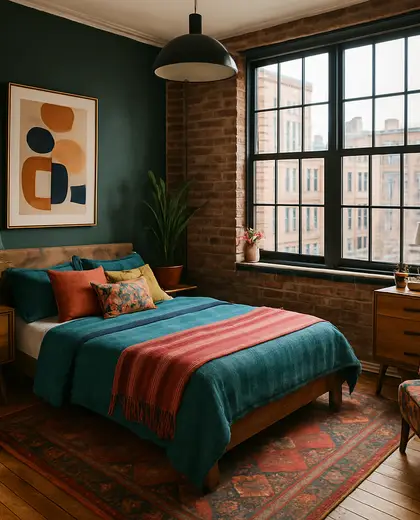
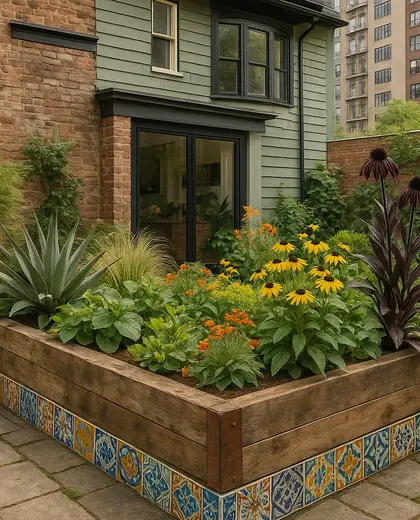
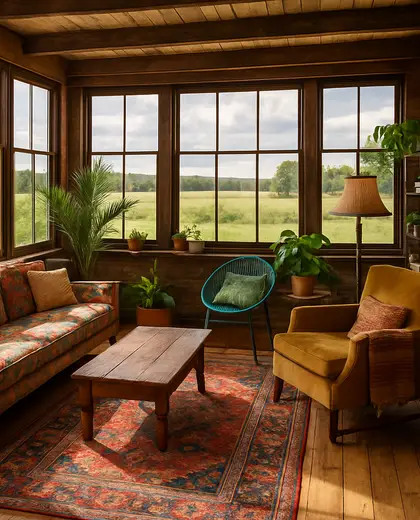
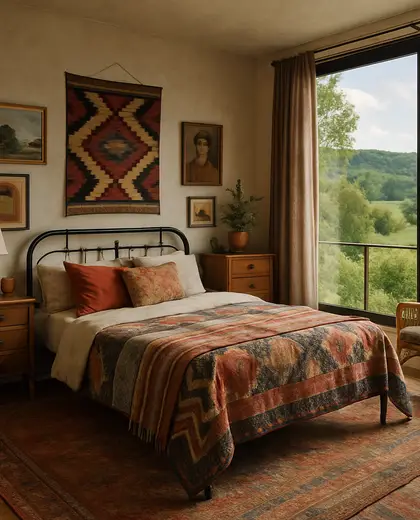
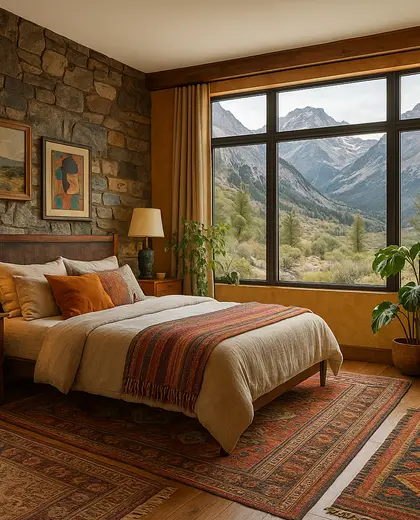
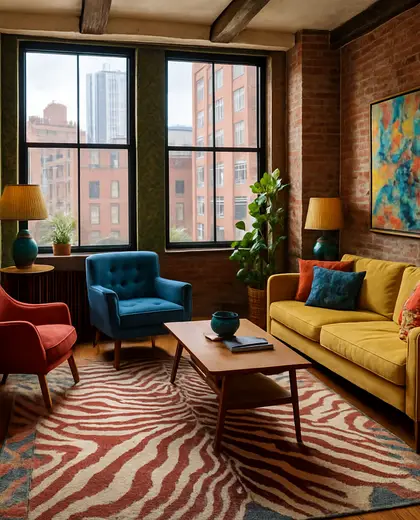
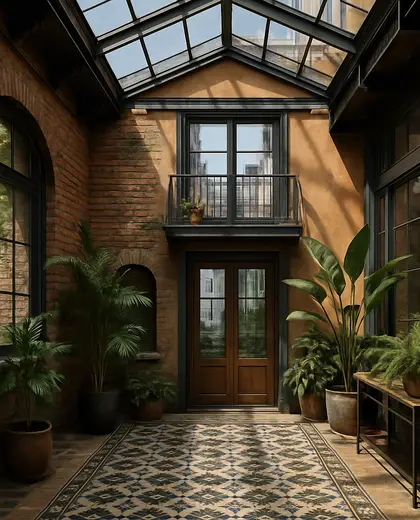
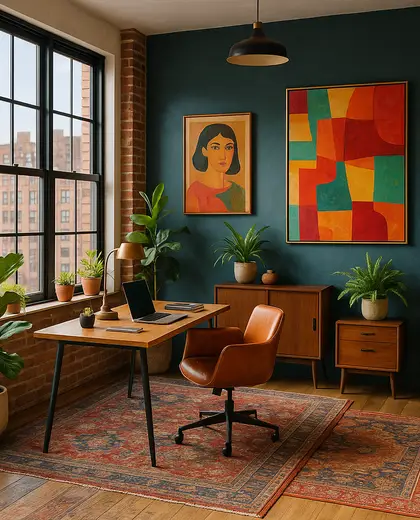
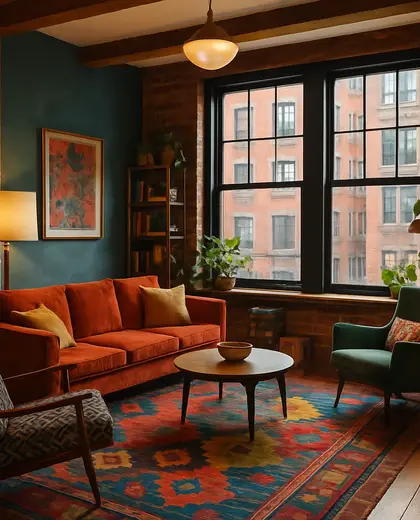
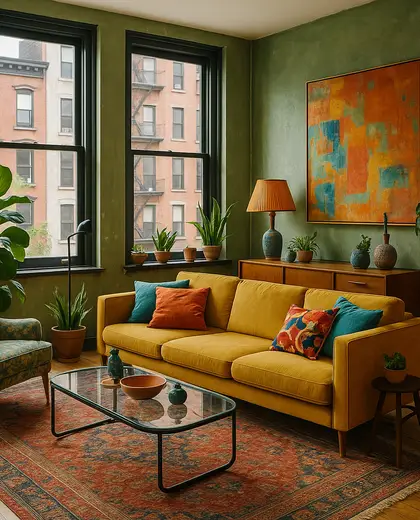
An eclectic composition mixes pieces from different styles, periods, and materials in a single room. It often pairs wood, metal, glass, stone, and textured fabrics with a layered palette that can be neutral or mixed with stronger accent colors. The look is defined by contrast: old and new, refined and casual, simple forms beside ornate details.
- eclectic
— References
References to explore
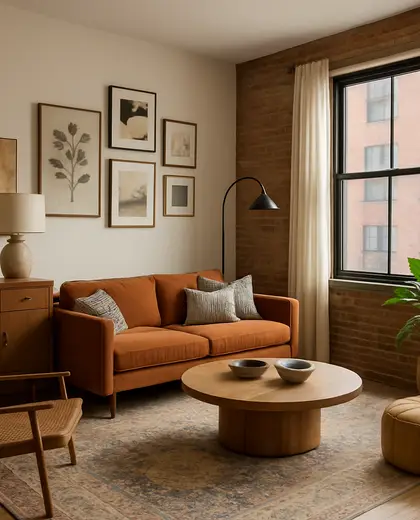
How do I make an eclectic room feel intentional instead of messy?
Use a consistent thread across the room, such as a repeated color, finish, or wood tone. Vary the styles, but keep the scale and spacing balanced so the room still reads as one composition.
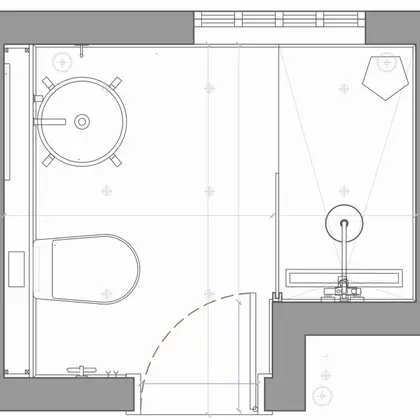
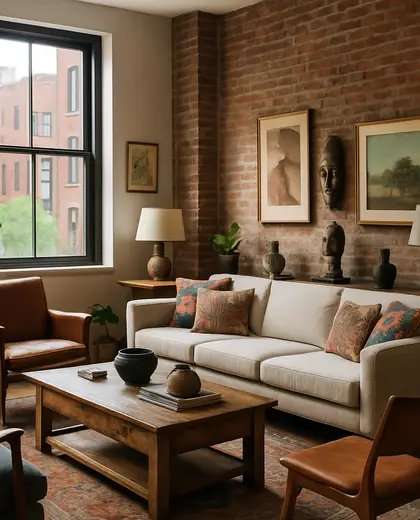
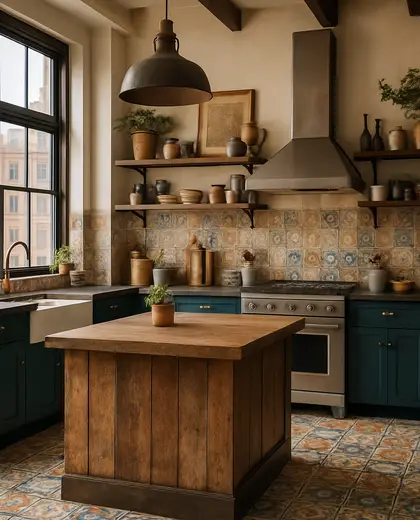
Can eclectic work in a small home?
Yes, but it needs more restraint. Choose fewer statement pieces, keep the larger surfaces simple, and use color or texture to create interest without crowding the space.
What should I avoid with an eclectic composition?
Avoid mixing too many unrelated colors, finishes, and patterns without a unifying element. Too many strong focal points can make the space feel random rather than layered.
— The style
What defines it
Common materials include wood, metal, stone, glass, leather, linen, and patterned textiles, often finished in varied textures rather than a single uniform surface.
The palette is usually balanced with neutrals, then punctuated by deeper tones or bright accents; black, brass, terracotta, blue, and green are frequent choices.
Eclectic works well with vintage finds, modern furniture, artwork, books, ceramics, and statement lighting, especially when pieces share one repeated color, material, or shape.
— Professionals
Who has already built it

- paquis norris group limitedbuilders · Reading · 3 projectsView profile →
- LoftRobejoiners · Guildford · 4 projectsView profile →
- Beneito Faurelighting designers · 2 projectsView profile →
- Lusso Stonetile suppliers · Stocktonontees · 7 projectsView profile →
— Explore
Keep exploring
— Questions
Frequently asked questions
How do I make an eclectic room feel intentional instead of messy?
Use a consistent thread across the room, such as a repeated color, finish, or wood tone. Vary the styles, but keep the scale and spacing balanced so the room still reads as one composition.
Can eclectic work in a small home?
Yes, but it needs more restraint. Choose fewer statement pieces, keep the larger surfaces simple, and use color or texture to create interest without crowding the space.
What should I avoid with an eclectic composition?
Avoid mixing too many unrelated colors, finishes, and patterns without a unifying element. Too many strong focal points can make the space feel random rather than layered.