— Ideas & inspiration
Game room
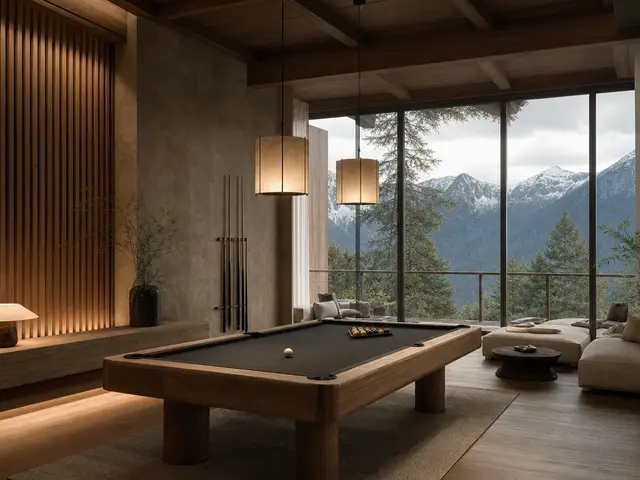
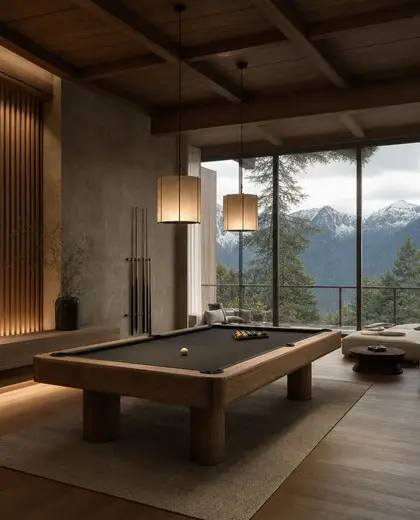
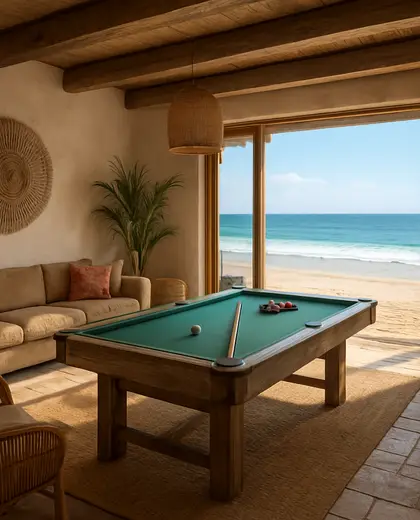
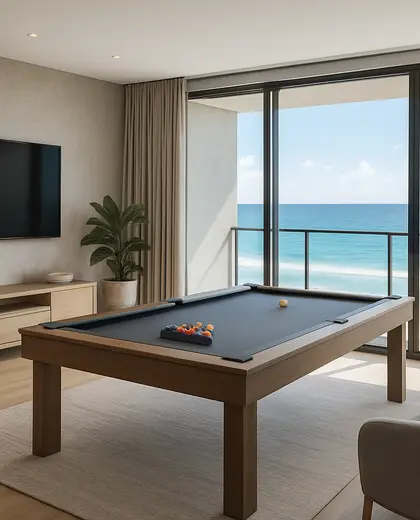
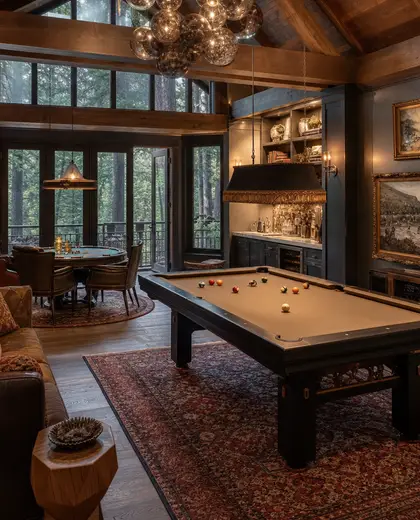
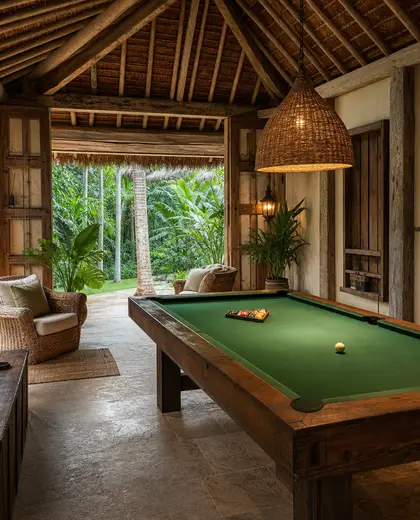
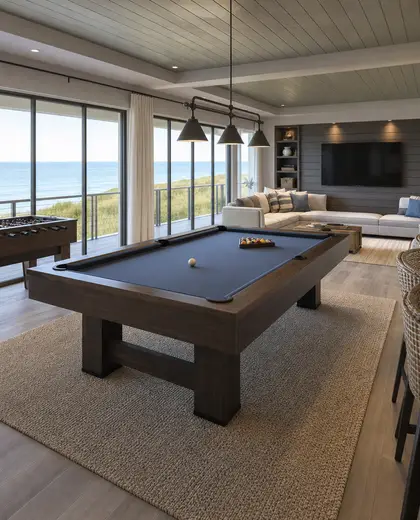
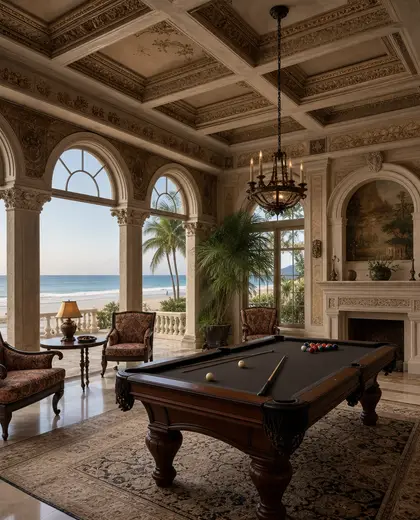
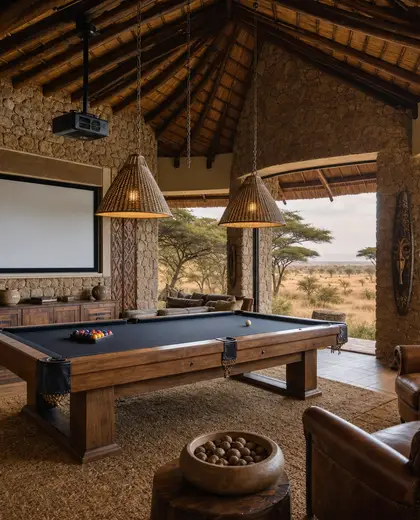
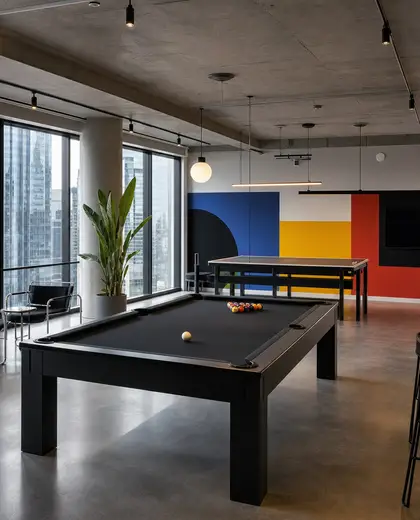
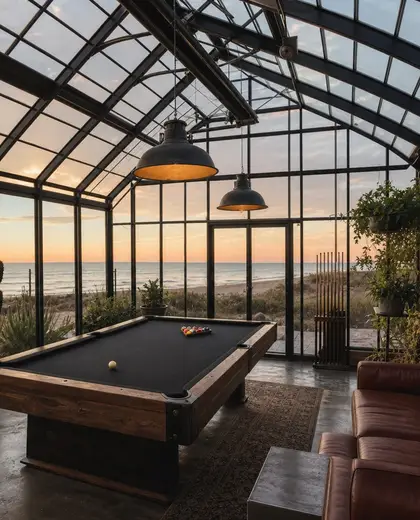
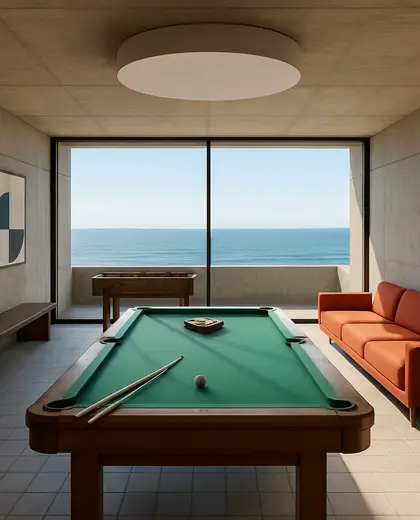
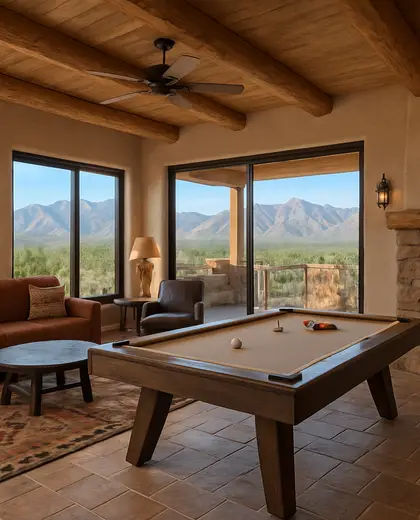
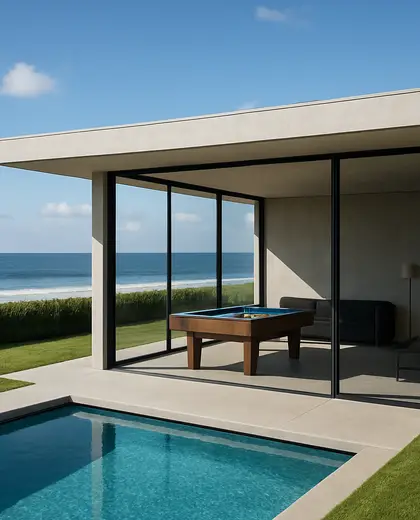
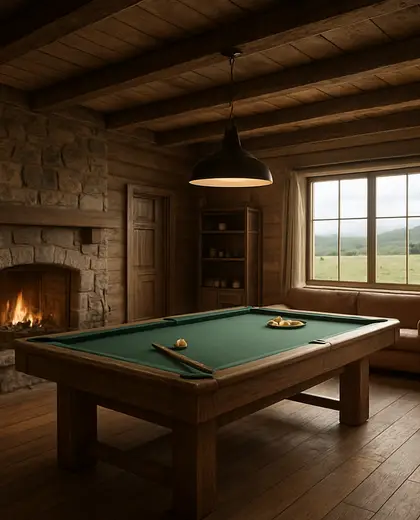
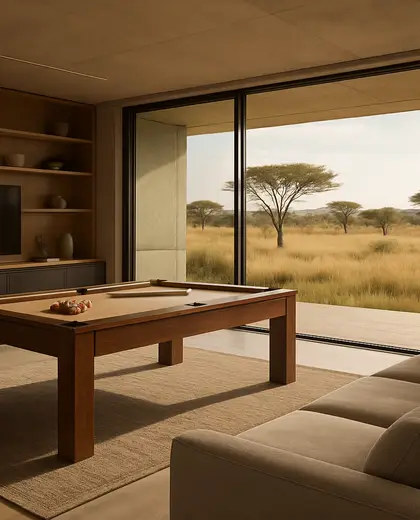
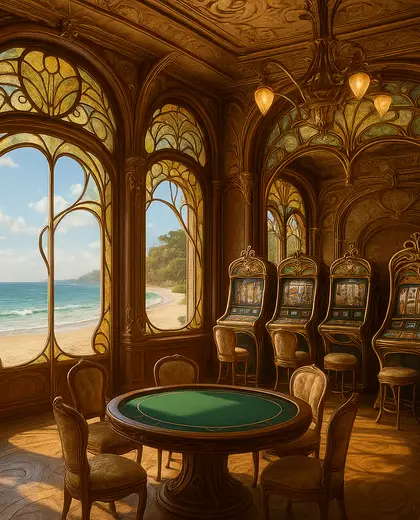
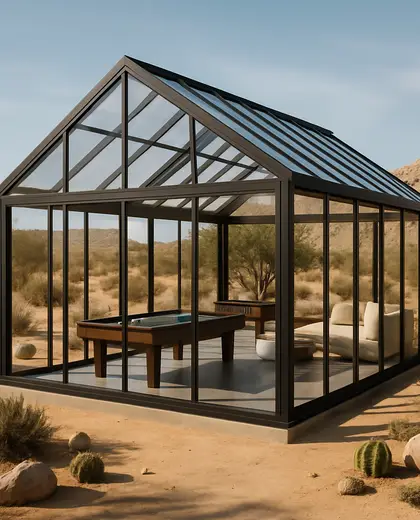
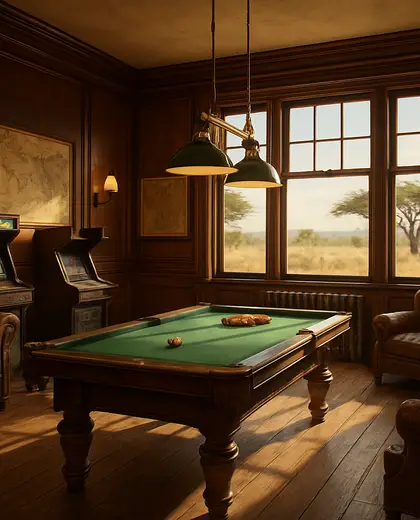
A game room is defined by durable, easy-clean finishes and furniture built for repeated use, such as engineered wood, laminate, metal, leather, and performance fabrics. The palette usually stays dark or neutral with saturated accent colors to support screens, pool tables, arcade machines, or board-game storage. It often includes layered lighting, acoustic treatment, and built-in shelving or cabinetry to keep equipment organized and the space comfortable.
- game room
— References
References to explore
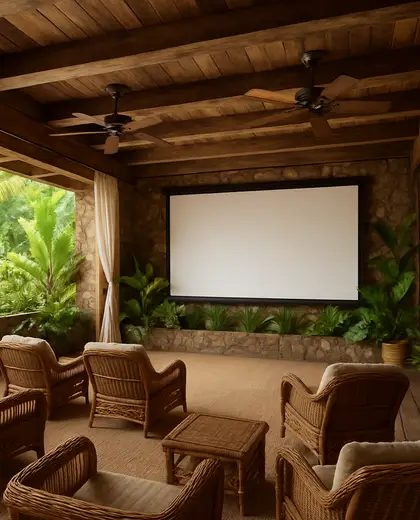
What makes a room feel like a game room instead of a regular lounge?
Dedicated game elements do most of the work: a pool or ping-pong table, arcade cabinet, poker table, console setup, or board-game storage, plus lighting and seating arranged around them.
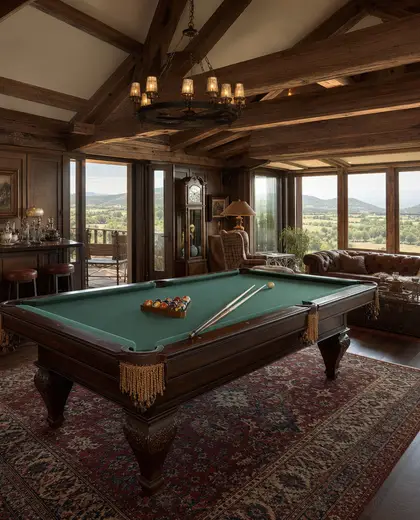
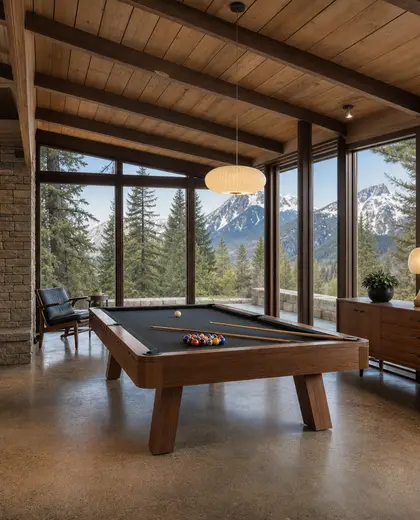
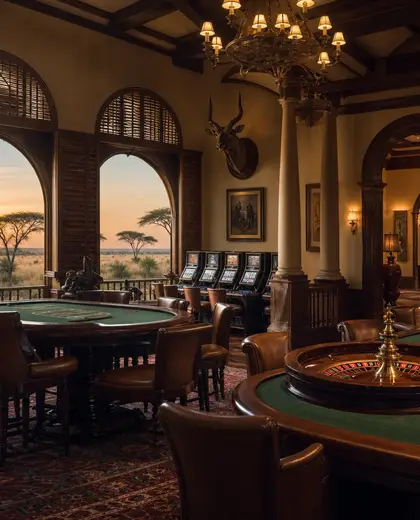
What materials are best for a family-friendly game room?
Choose hard-wearing surfaces like laminate or sealed wood, stain-resistant upholstery, rounded furniture edges, and flooring that is easy to clean and forgiving under frequent use.
Can a game room work in a small space?
Yes, if you scale the features to the room: wall-mounted storage, a compact game table, foldable seating, and integrated media shelving can keep the layout functional without feeling crowded.
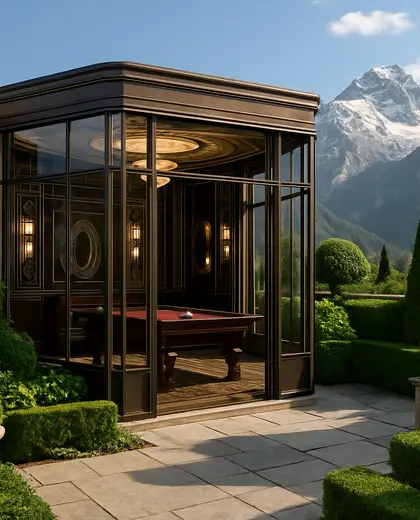
— The style
What defines it
Engineered wood, laminate, metal, leather, acoustic panels, and stain-resistant textiles are common because they hold up to heavy use.
Neutrals, charcoal, deep wood tones, and one or two bold accents work well; matte finishes help reduce glare from screens and lights.
Home theaters, lounge areas, wet bars, media walls, and storage cabinetry to support both play and relaxation.
— Professionals
Who has already built it
- maria mateaarchitects · London · 7 projectsView profile →
- kerem erbagci3d renderers · London · 9 projectsView profile →
- paquis norris group limitedbuilders · Reading · 3 projectsView profile →
- LoftRobejoiners · Guildford · 4 projectsView profile →
— Explore
Keep exploring
— Questions
Frequently asked questions
What makes a room feel like a game room instead of a regular lounge?
Dedicated game elements do most of the work: a pool or ping-pong table, arcade cabinet, poker table, console setup, or board-game storage, plus lighting and seating arranged around them.
What materials are best for a family-friendly game room?
Choose hard-wearing surfaces like laminate or sealed wood, stain-resistant upholstery, rounded furniture edges, and flooring that is easy to clean and forgiving under frequent use.
Can a game room work in a small space?
Yes, if you scale the features to the room: wall-mounted storage, a compact game table, foldable seating, and integrated media shelving can keep the layout functional without feeling crowded.