— Ideas & inspiration
Mountain Composition
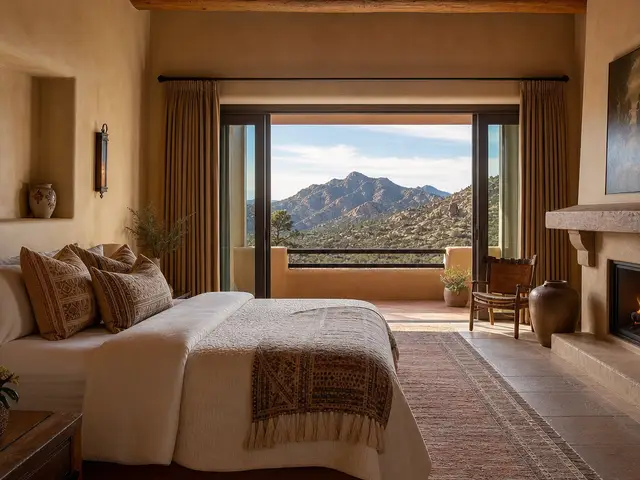
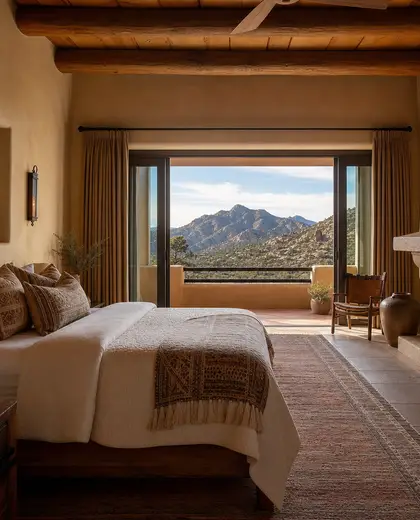
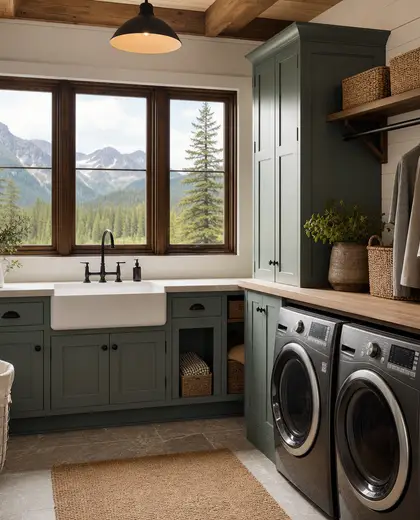
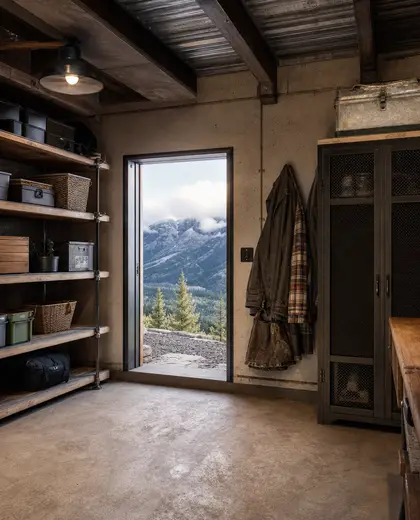
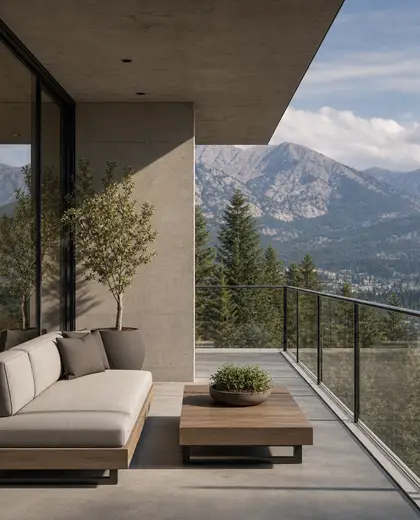
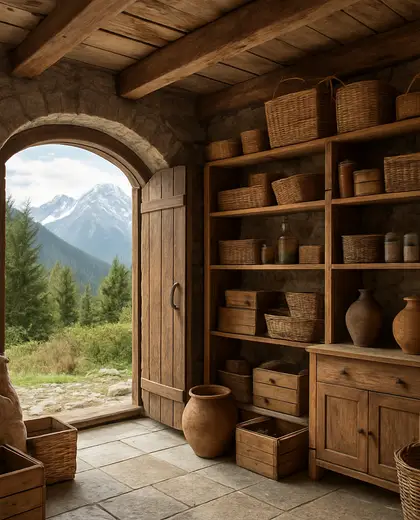
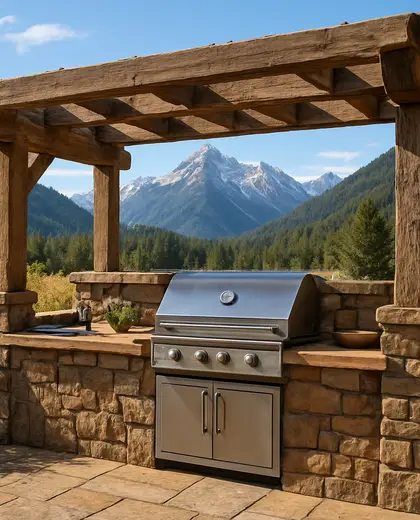
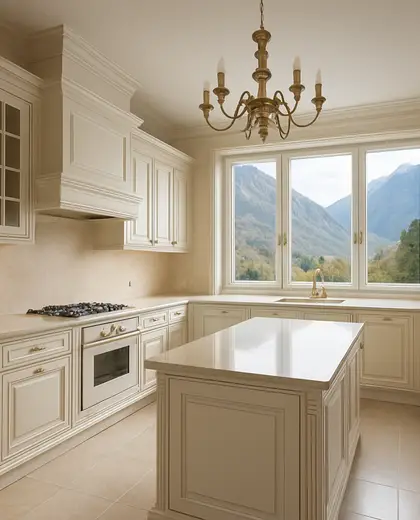
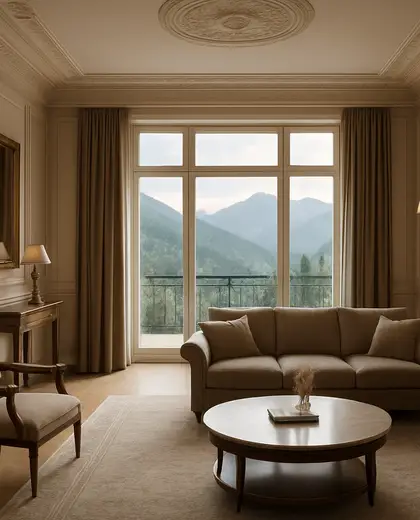
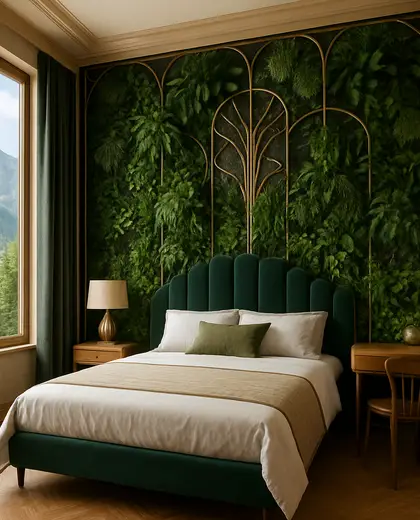
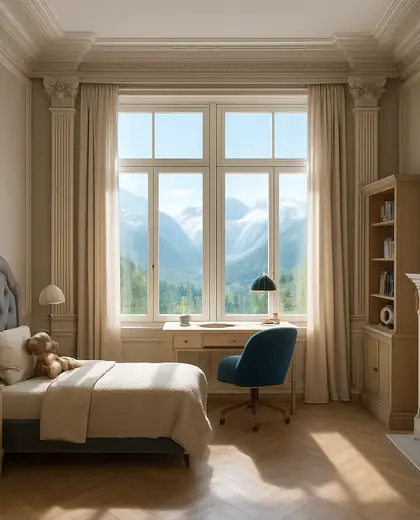
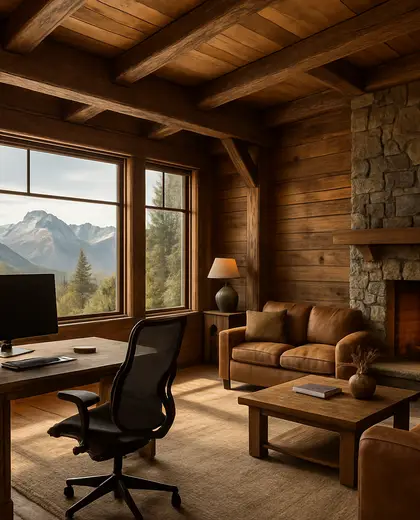
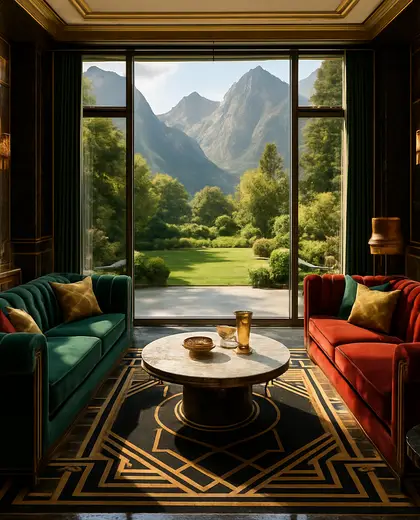
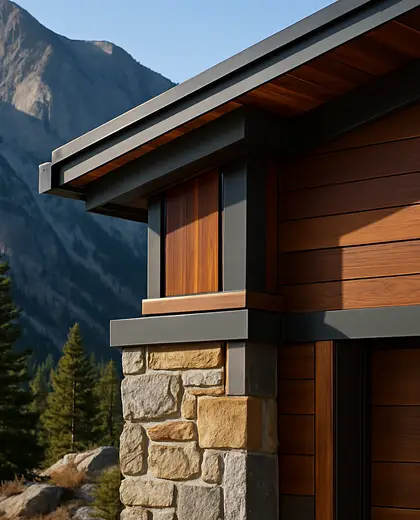
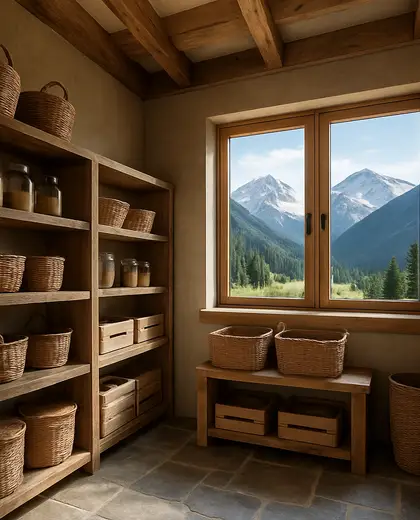
A mountain composition is defined by robust natural materials such as timber, stone, wool, and leather, often left with visible grain, texture, and a more tactile finish. The palette stays grounded in earthy browns, charcoal, deep green, slate, and muted neutrals, with strong contrast and low-sheen surfaces. It usually brings in heavy beams, masonry, oversized furniture, and layered textiles to create a grounded, sheltering feel.
- mountain
— References
References to explore
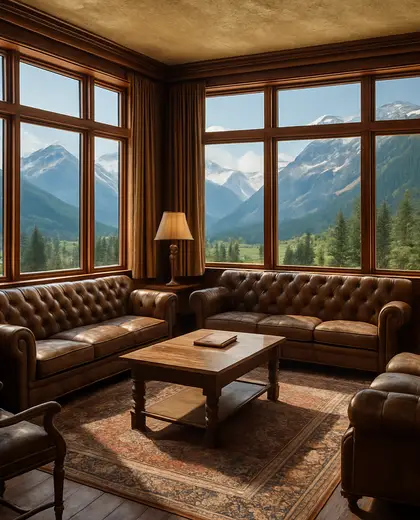
What makes a mountain composition different from a rustic one?
Mountain design is usually heavier and more grounded, with stronger contrasts, darker tones, and more stone and timber. Rustic interiors can feel lighter or more decorative, while mountain spaces tend to feel more solid and sheltering.
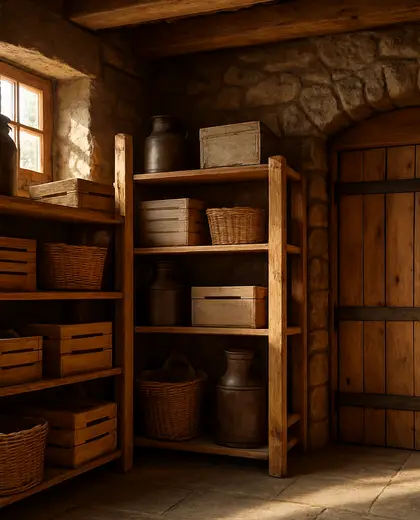
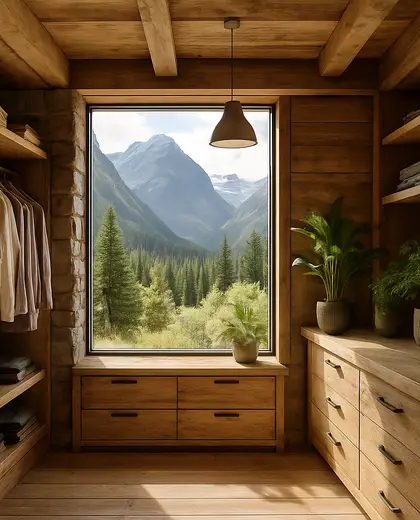
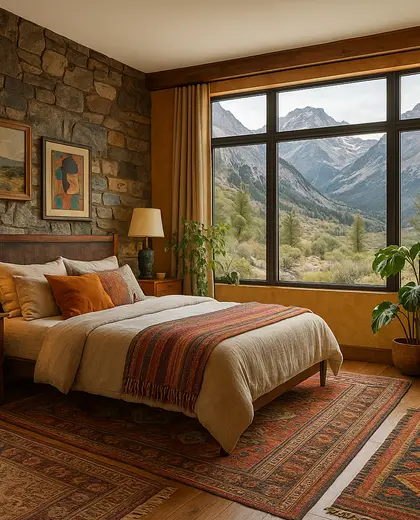
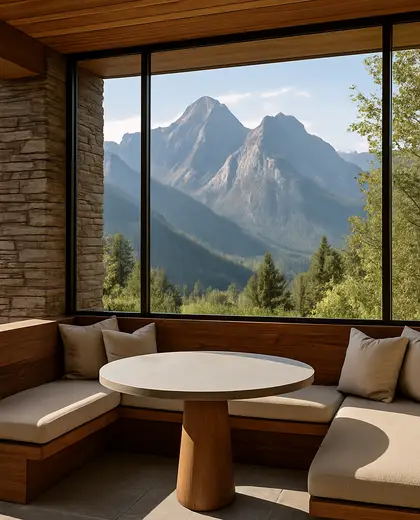
Can this style work in a modern home?
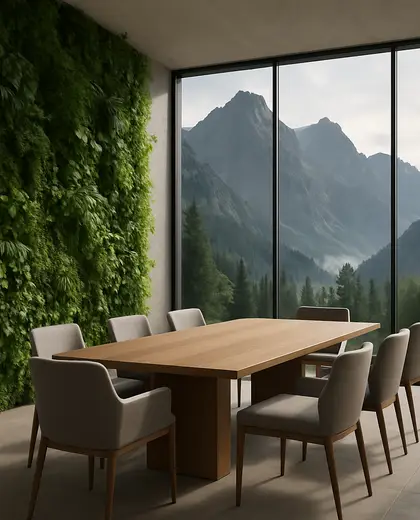
Yes. It often works well when the structure stays clean and simple, while the materials remain natural and tactile. Large-format stone, wide-plank wood, and minimal detailing help keep it contemporary.
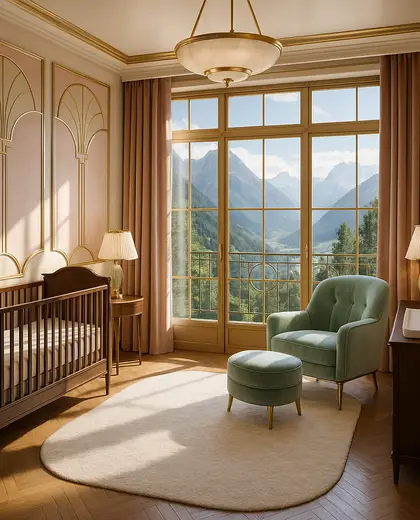
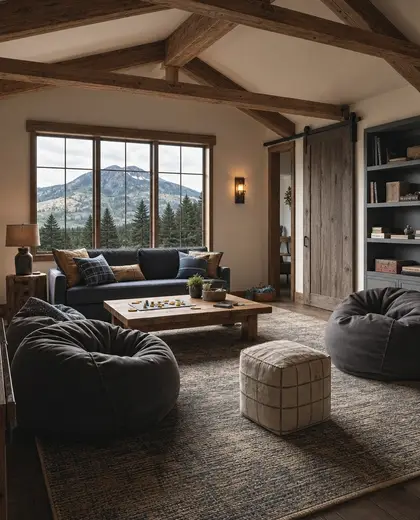
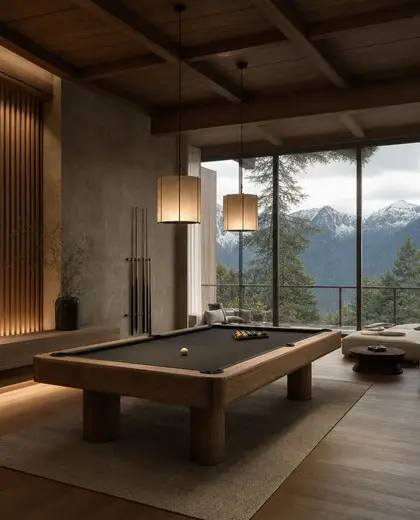
Does a mountain composition need a fireplace?
No, but a fireplace often strengthens the look because it reinforces the sense of warmth and shelter. If there is no fireplace, large timber elements, stone surfaces, and layered textiles can still establish the composition.
— The style
What defines it
Solid wood, natural stone, metal accents, wool, linen, leather, and textured plaster.
Earth tones, warm neutrals, dark green, charcoal, slate, and weathered greys.
Pairs well with rustic, contemporary, alpine, and cabin-inspired interiors, especially where open fireplaces and exposed structure are present.
— Professionals
Who has already built it
- elizabeth bee interior deinterior designers · 4 projectsView profile →
- slade slade design3d renderers · Bristol · 6 projectsView profile →
- maria mateaarchitects · London · 7 projectsView profile →
- paquis norris group limitedbuilders · Reading · 3 projectsView profile →
— Explore
Keep exploring
— Questions
Frequently asked questions
What makes a mountain composition different from a rustic one?
Mountain design is usually heavier and more grounded, with stronger contrasts, darker tones, and more stone and timber. Rustic interiors can feel lighter or more decorative, while mountain spaces tend to feel more solid and sheltering.
Can this style work in a modern home?
Yes. It often works well when the structure stays clean and simple, while the materials remain natural and tactile. Large-format stone, wide-plank wood, and minimal detailing help keep it contemporary.
Does a mountain composition need a fireplace?
No, but a fireplace often strengthens the look because it reinforces the sense of warmth and shelter. If there is no fireplace, large timber elements, stone surfaces, and layered textiles can still establish the composition.