— Ideas & inspiration
Ocean composition
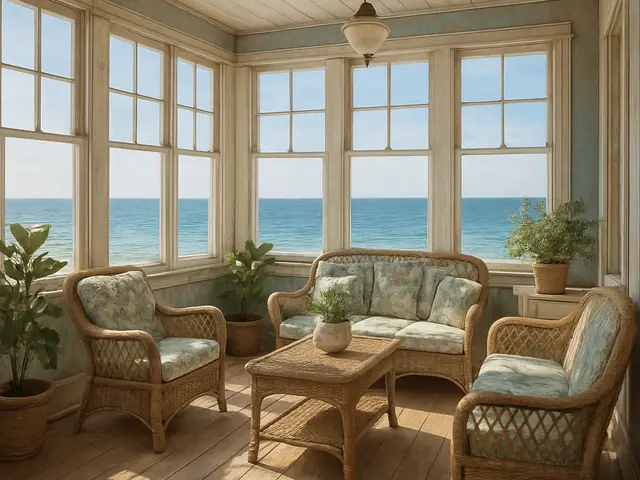
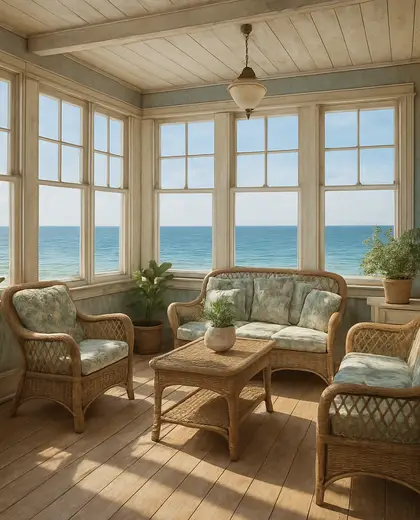
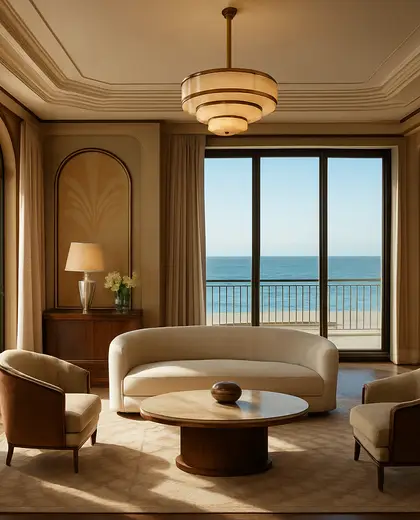
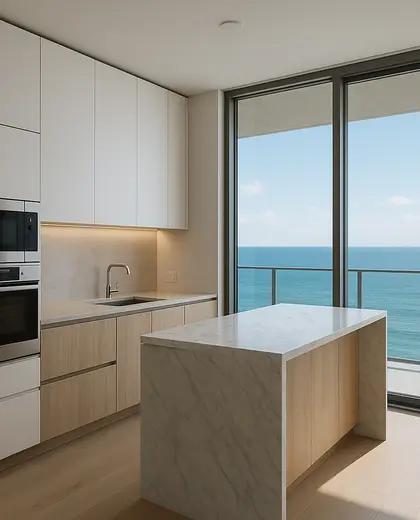
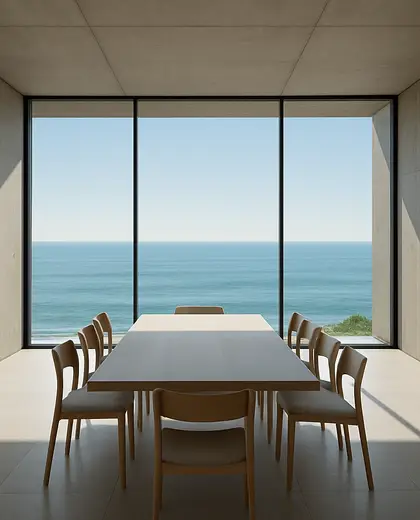
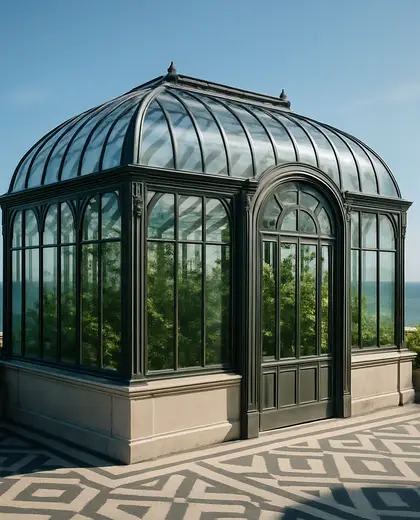
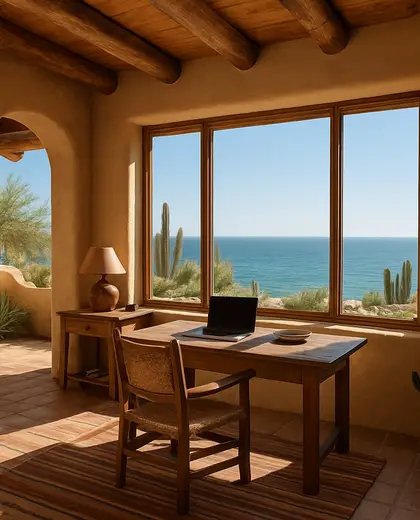
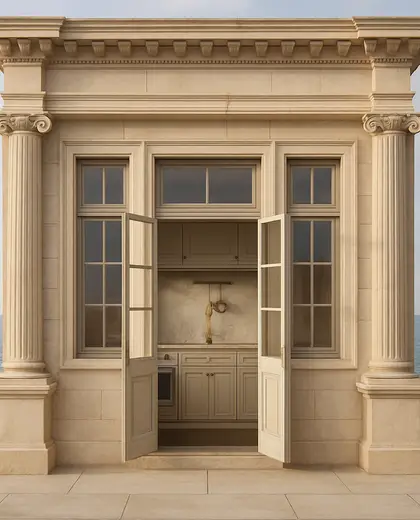
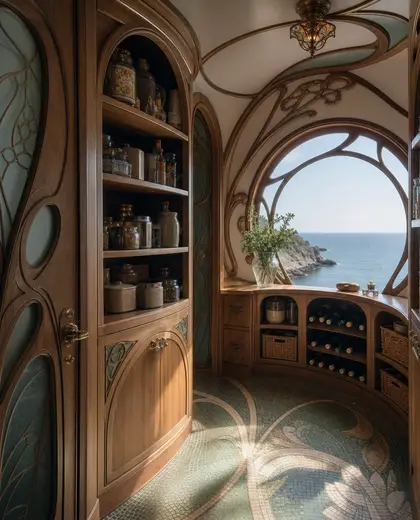
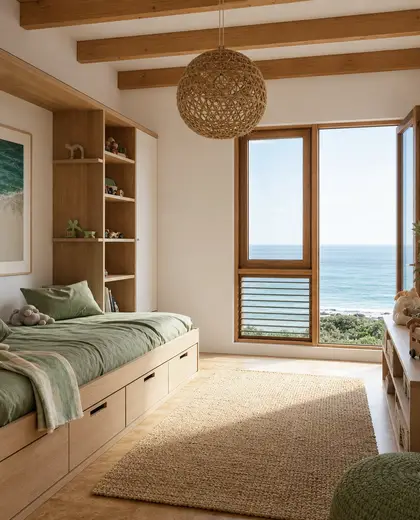
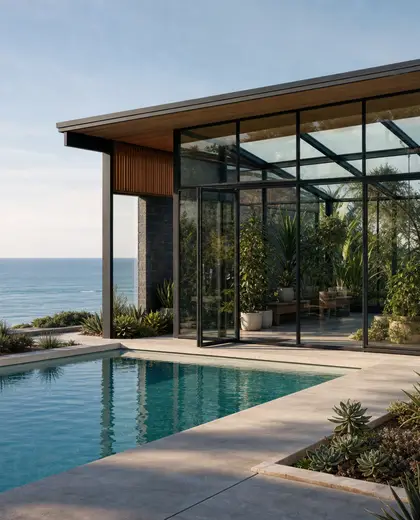
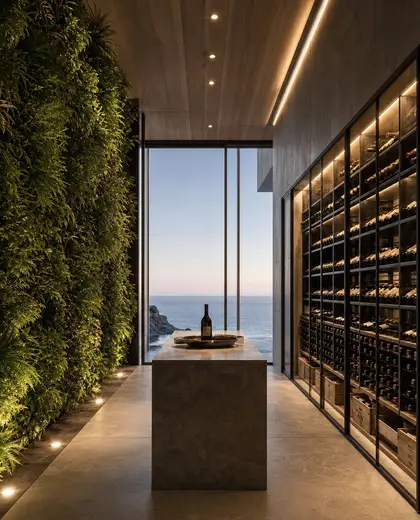
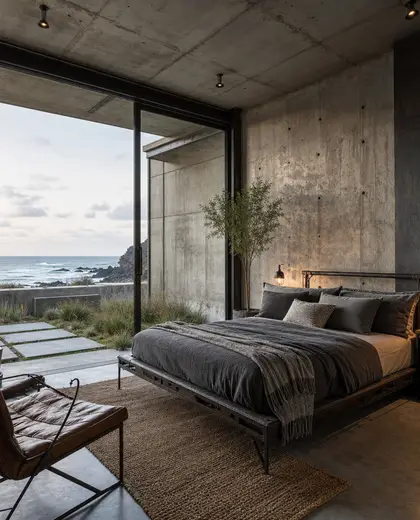
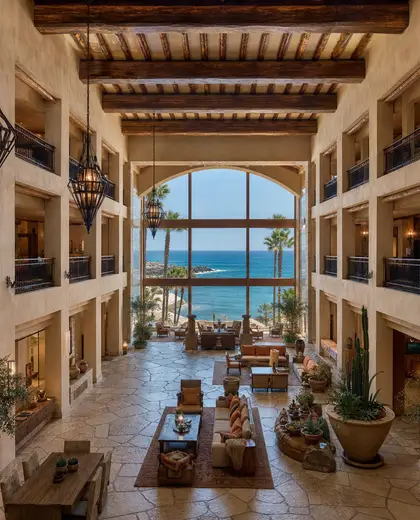
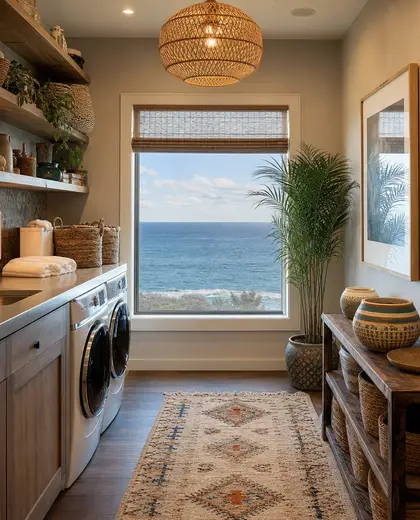
An ocean composition uses cool blues, sea greens, sand tones, and crisp white to echo coastal water and shoreline. Natural materials such as oak, linen, rattan, jute, stone, and glazed ceramic keep the look grounded and tactile. Common defining elements include soft daylight, rounded forms, lightly weathered finishes, and airy open layouts.
- ocean
— References
References to explore
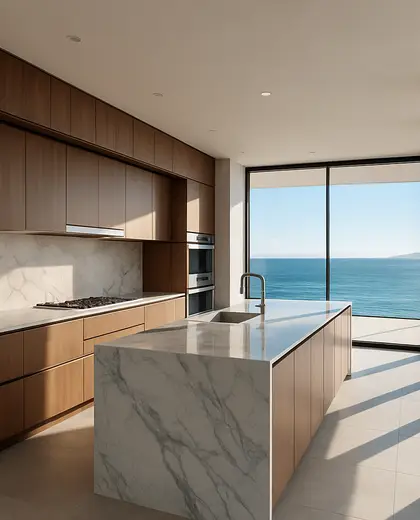
Does an ocean composition always have to look nautical?
No. It usually reads as coastal rather than themed, using color, texture, and light instead of anchors, stripes, or obvious maritime decor.
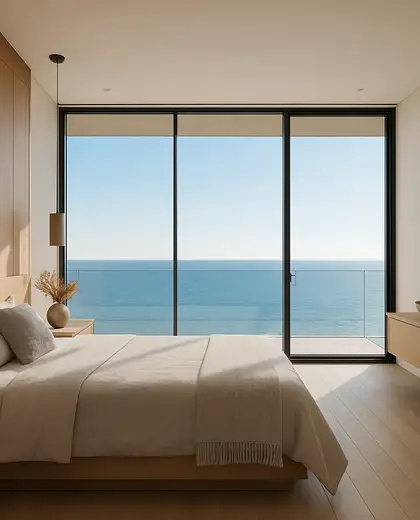
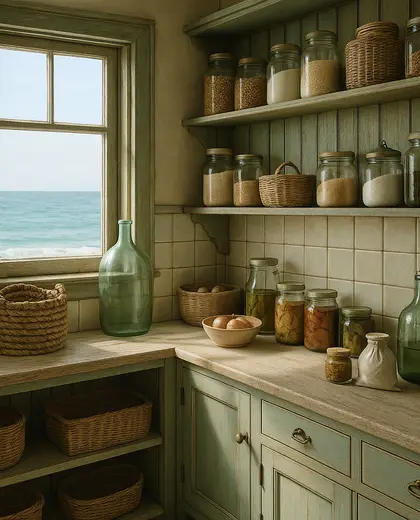
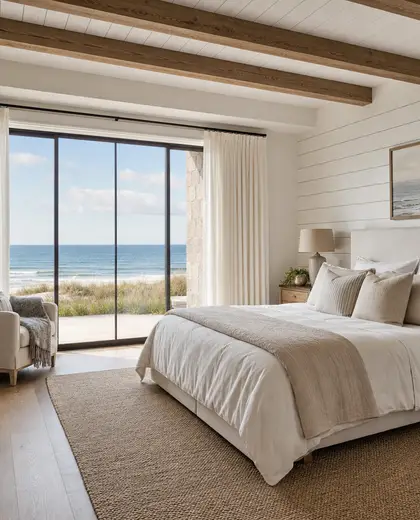
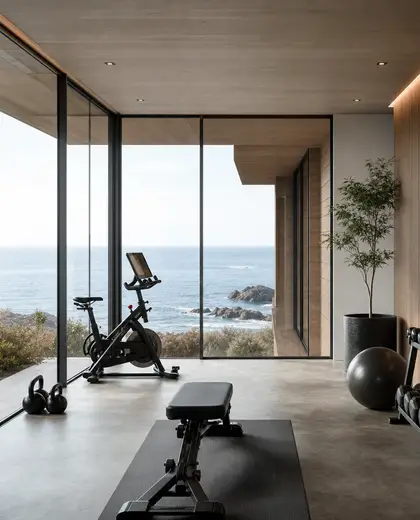
What materials make this look feel natural rather than decorative?
Use matte, tactile materials such as linen, light wood, woven fibers, stone, and simple ceramic surfaces. These keep the palette from feeling overly polished.
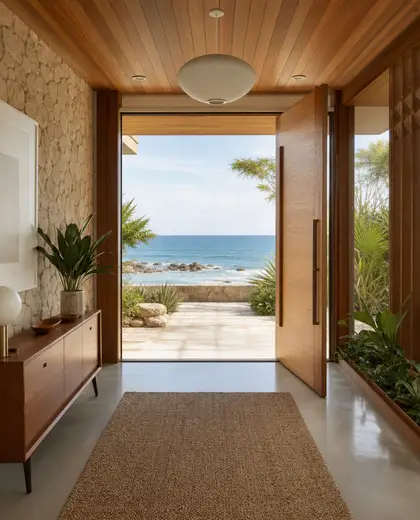
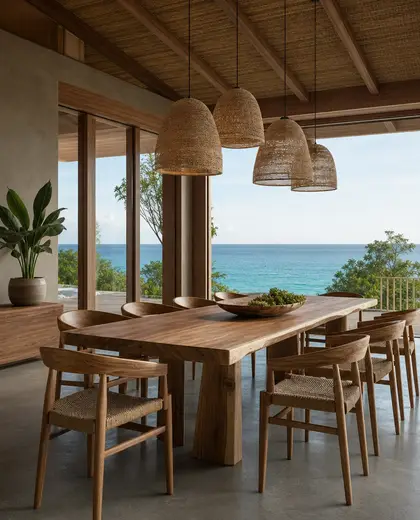
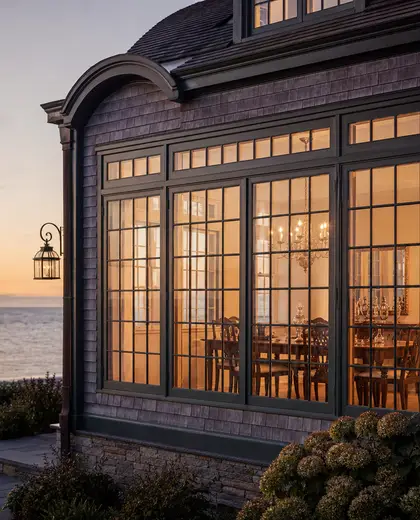
Can this composition work in a small home?
Yes. Lighter blues, white walls, and restrained natural textures can make compact rooms feel more open, especially when paired with simple furnishings and good daylight.


— The style
What defines it
Oak, linen, rattan, jute, limestone, glass, and matte ceramic are common choices.
Soft blue, teal, seafoam, sand, ivory, and driftwood gray create the core color range.
Works well with minimalist, Scandinavian, coastal, and relaxed contemporary interiors.
— Professionals
Who has already built it
- elizabeth bee interior deinterior designers · 4 projectsView profile →
- slade slade design3d renderers · Bristol · 6 projectsView profile →
- maria mateaarchitects · London · 7 projectsView profile →
- paquis norris group limitedbuilders · Reading · 3 projectsView profile →
— Explore
Keep exploring
— Questions
Frequently asked questions
Does an ocean composition always have to look nautical?
No. It usually reads as coastal rather than themed, using color, texture, and light instead of anchors, stripes, or obvious maritime decor.
What materials make this look feel natural rather than decorative?
Use matte, tactile materials such as linen, light wood, woven fibers, stone, and simple ceramic surfaces. These keep the palette from feeling overly polished.
Can this composition work in a small home?
Yes. Lighter blues, white walls, and restrained natural textures can make compact rooms feel more open, especially when paired with simple furnishings and good daylight.