— Ideas & inspiration
Wine cellar
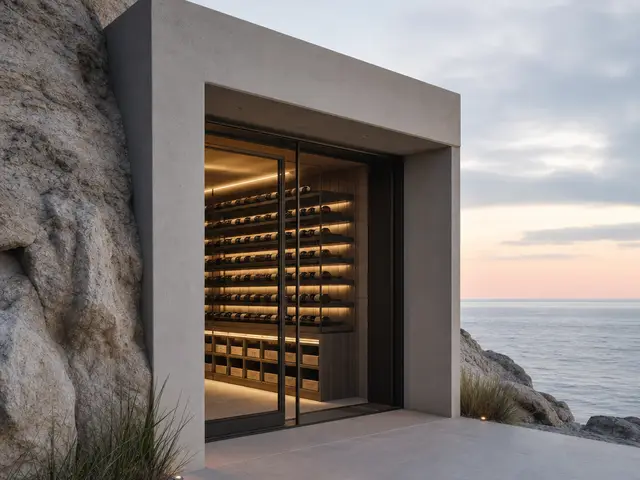
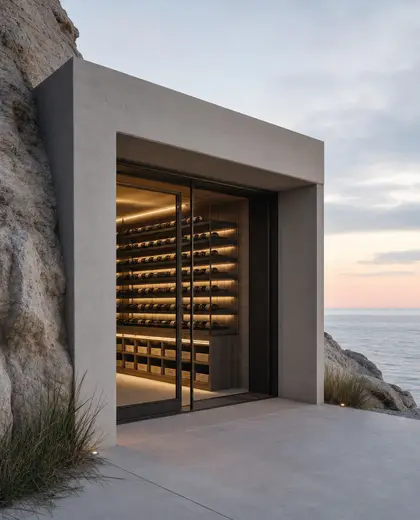
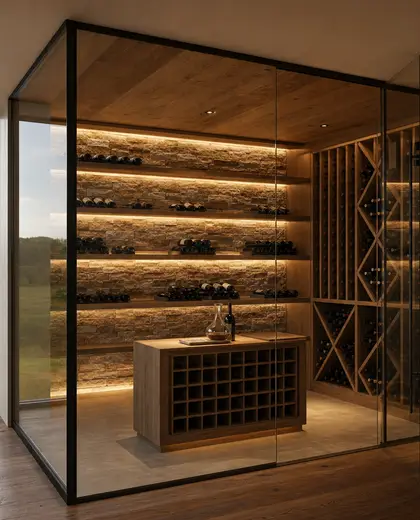
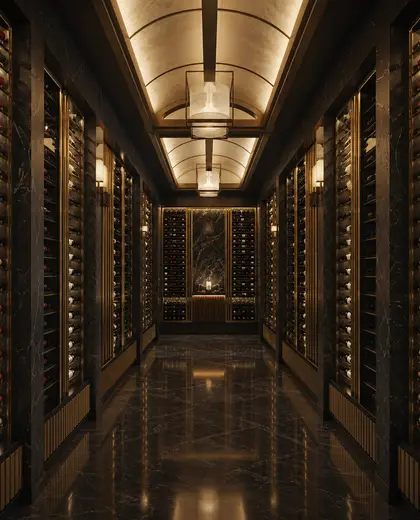
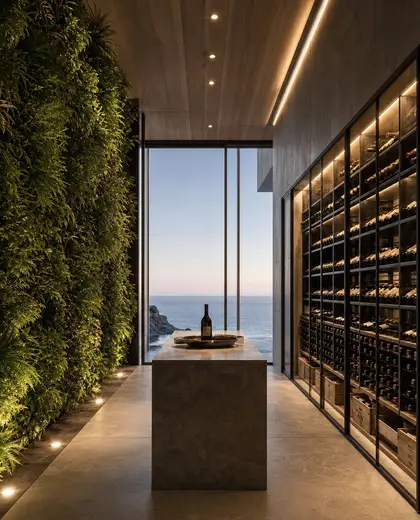
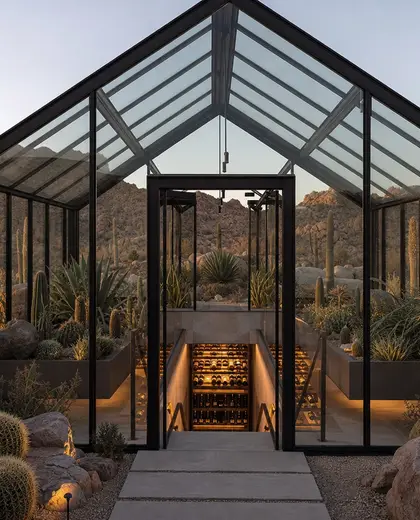
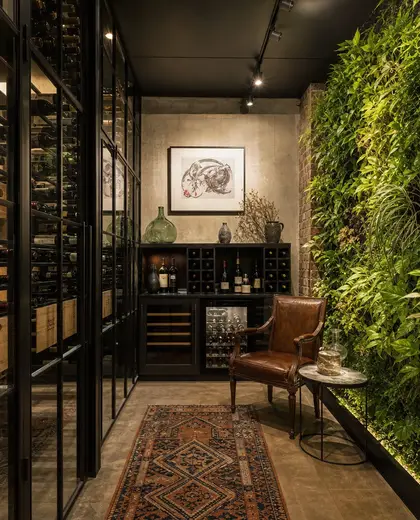
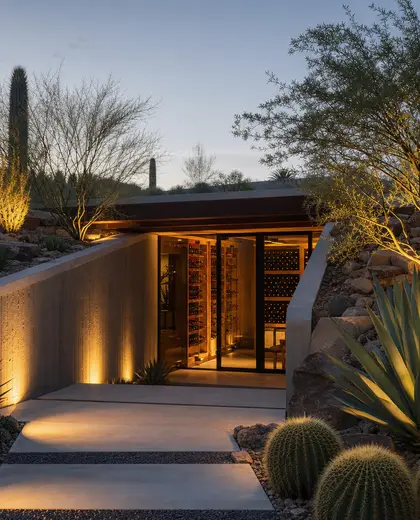
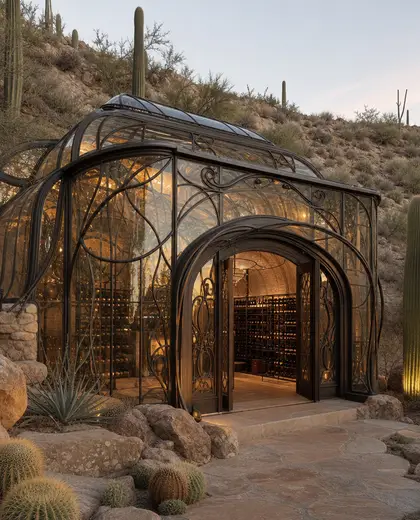
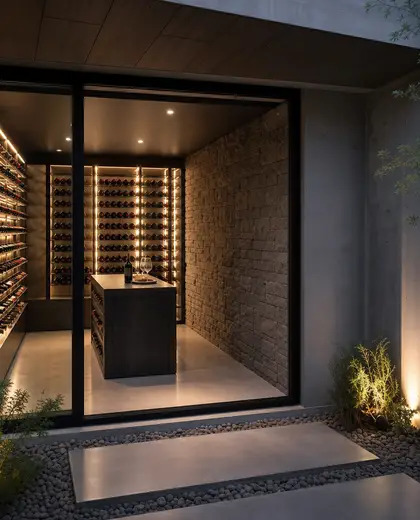
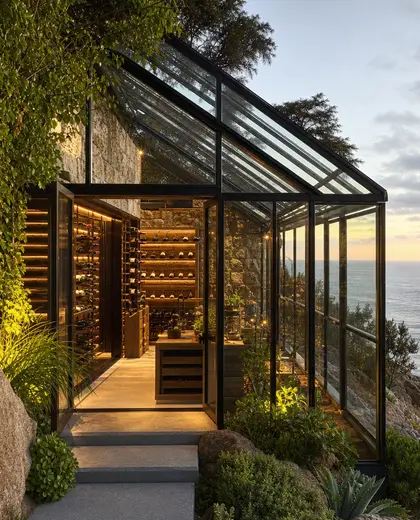
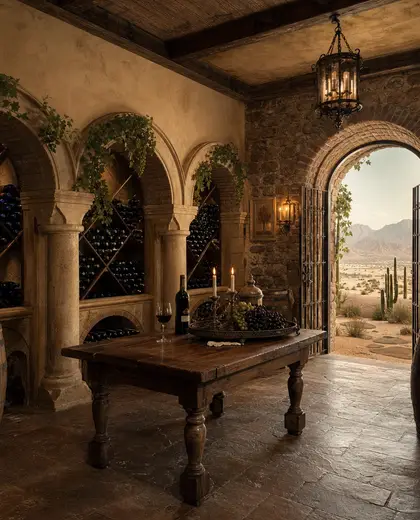
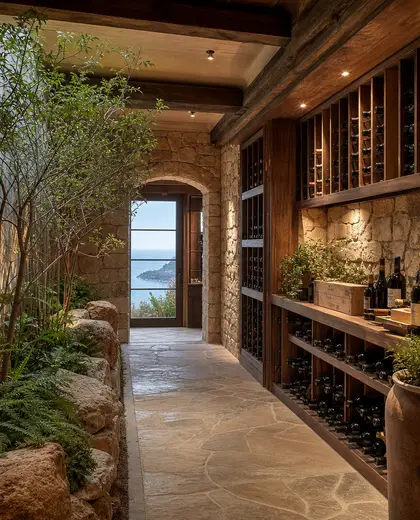
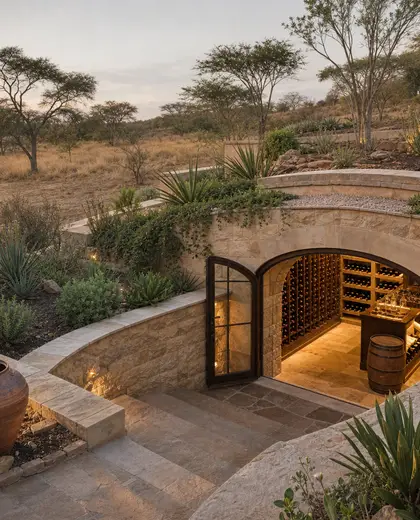
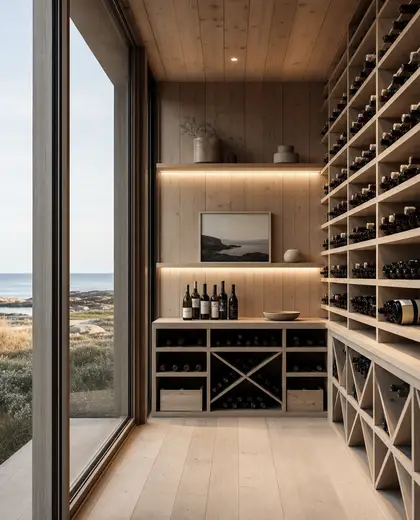
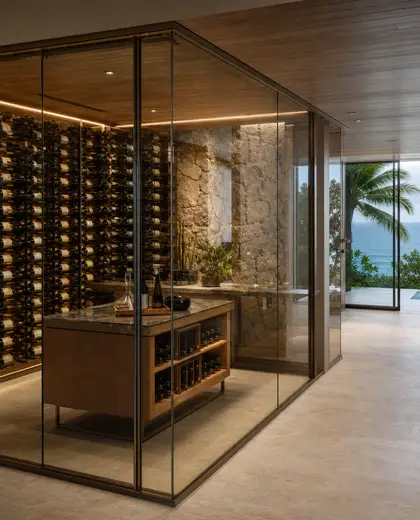
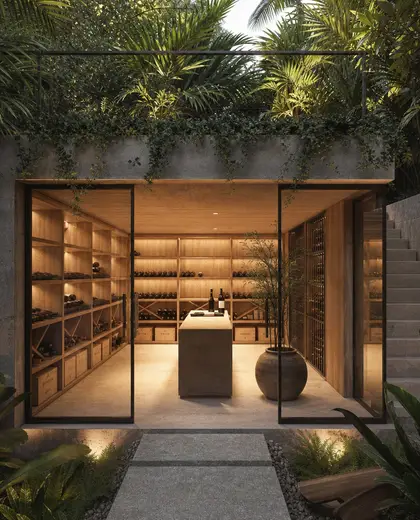
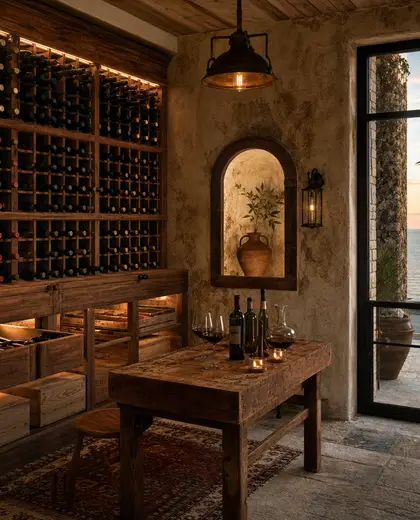
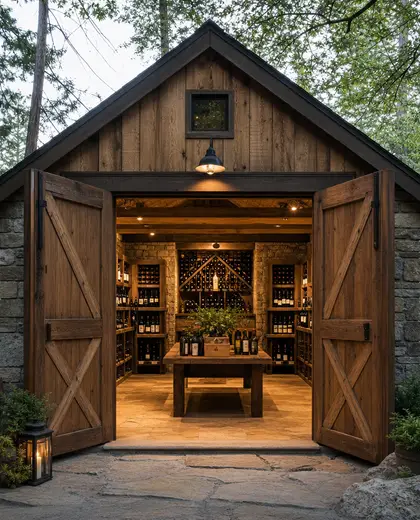
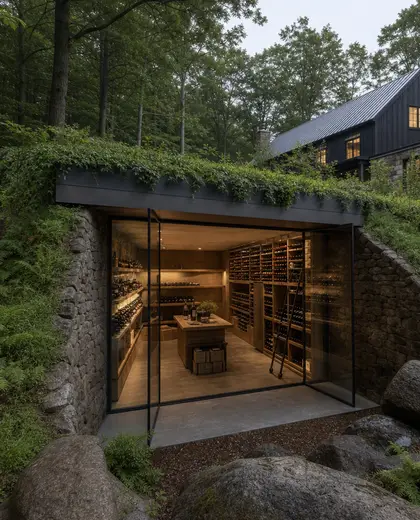
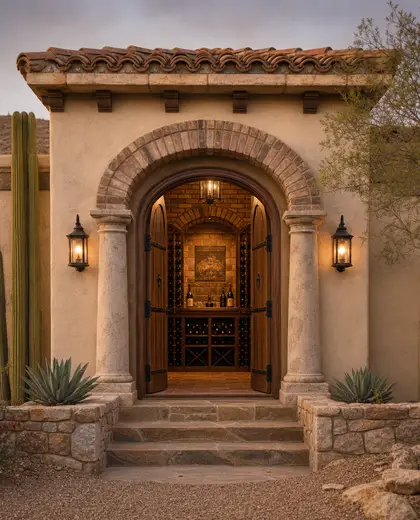
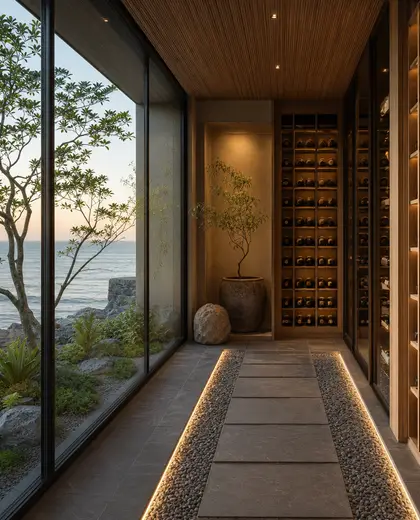
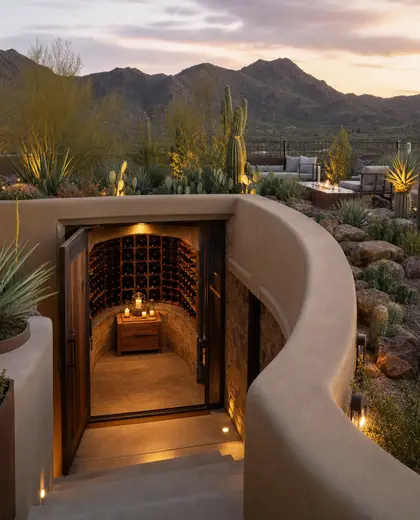
A wine cellar is defined by temperature-stable construction, controlled humidity, and storage built from stone, concrete, brick, or insulated millwork. It typically uses dark, grounded materials with low-glare lighting, racking, a tasting surface, and airtight doors or glazing where needed. The composition balances preservation and display, with ventilation and insulation integrated into the architecture.
- wine cellar
— References
References to explore
Do I need a full basement to have a wine cellar?
No. A wine cellar can be a dedicated room, a converted under-stair area, or a conditioned enclosure as long as temperature and humidity are controlled.
What is the difference between a wine cellar and a wine room?
A wine cellar is usually more focused on long-term storage and environmental control, while a wine room often emphasizes display and entertaining as well as storage.
What should I prioritize first in the design?
Start with climate control, insulation, and ventilation before choosing finishes or racks. Those systems determine whether the space will protect the wine reliably.
— The style
What defines it
Common materials include stone, concrete, brick, sealed timber, metal racking, and insulated glass for viewing areas.
The palette is usually deep and restrained: charcoal, brown, burgundy, black, warm wood tones, and muted metal finishes.
It often connects with a dining room, kitchen, basement lounge, or tasting area, and works well with lighting designed for low ambient levels.
— Professionals
Who has already built it
- slade slade design3d renderers · Bristol · 6 projectsView profile →
- marcela tossiinterior designers · London · 6 projectsView profile →
- maria mateaarchitects · London · 7 projectsView profile →
- paquis norris group limitedbuilders · Reading · 3 projectsView profile →
— Explore
Keep exploring
— Questions
Frequently asked questions
Do I need a full basement to have a wine cellar?
No. A wine cellar can be a dedicated room, a converted under-stair area, or a conditioned enclosure as long as temperature and humidity are controlled.
What is the difference between a wine cellar and a wine room?
A wine cellar is usually more focused on long-term storage and environmental control, while a wine room often emphasizes display and entertaining as well as storage.
What should I prioritize first in the design?
Start with climate control, insulation, and ventilation before choosing finishes or racks. Those systems determine whether the space will protect the wine reliably.