— Ideas & inspiration
Room composition
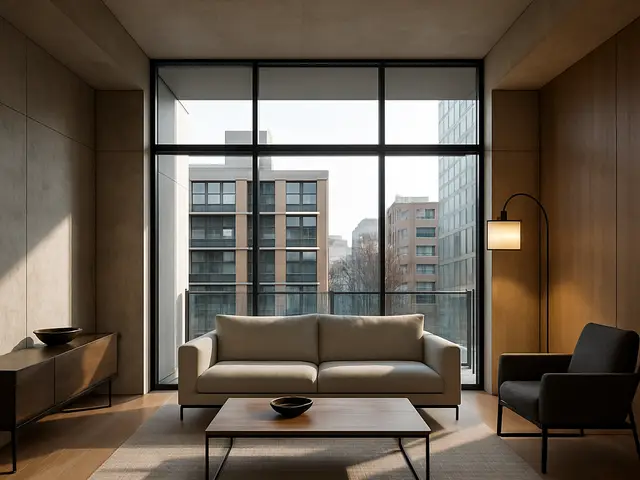
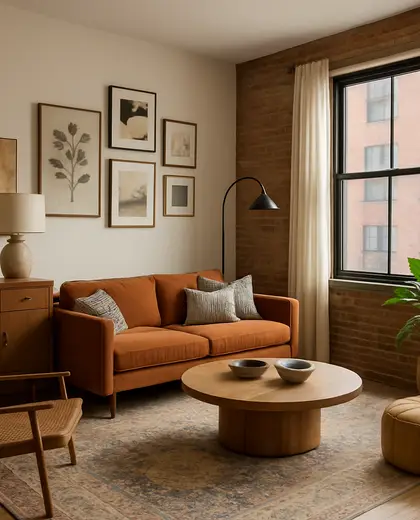
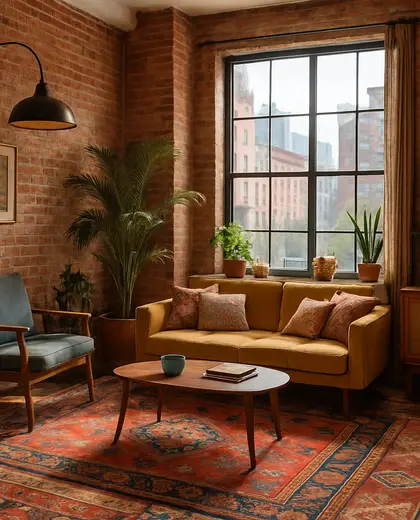
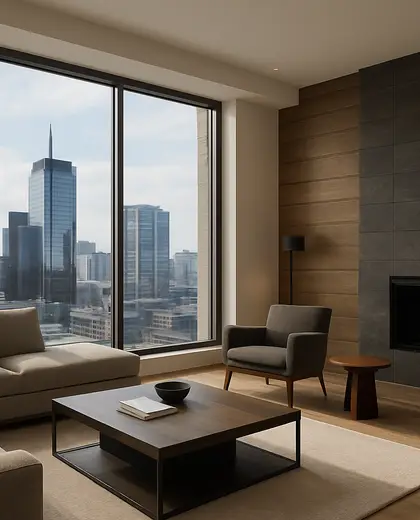
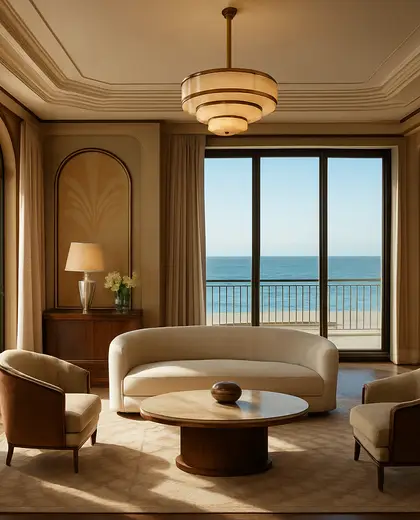
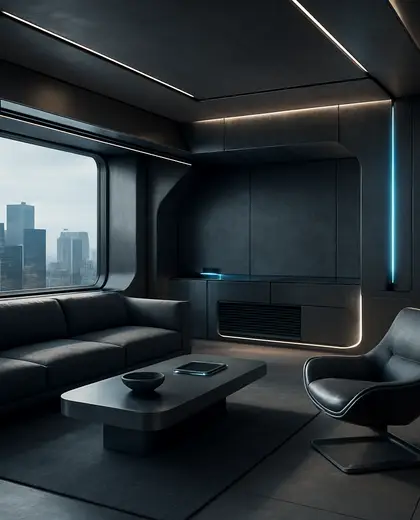
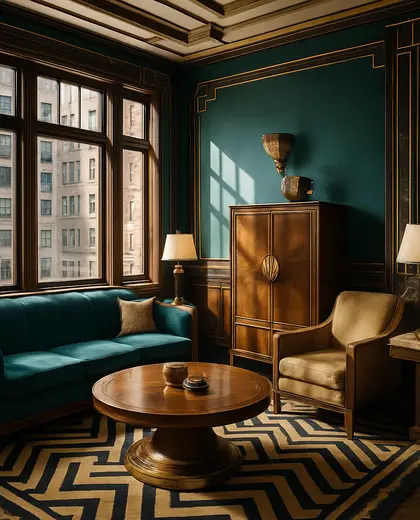
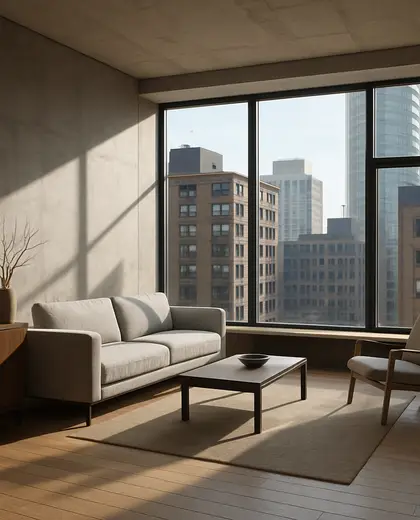
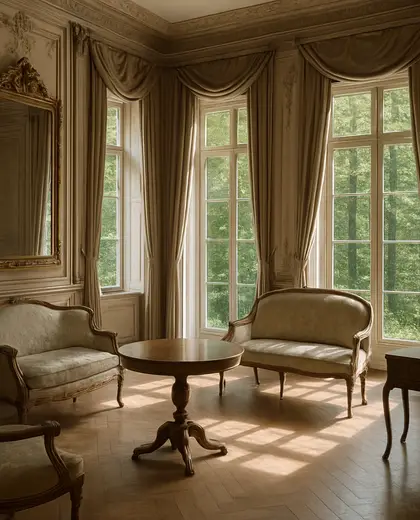
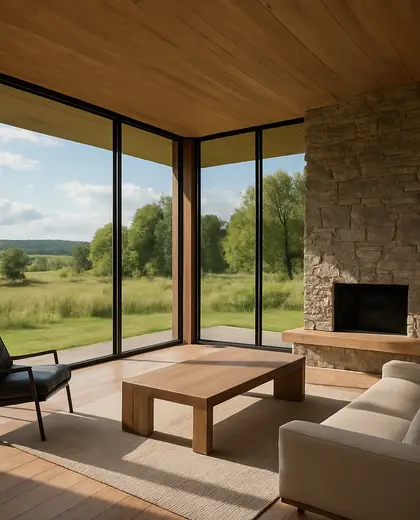
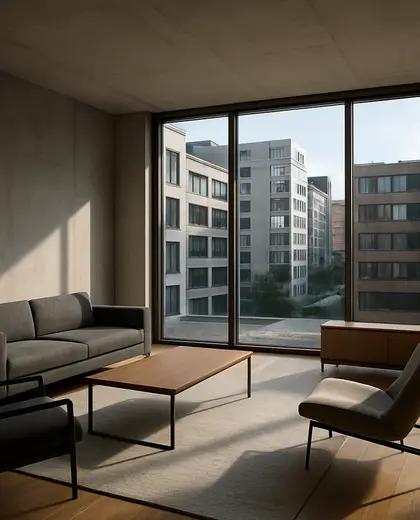
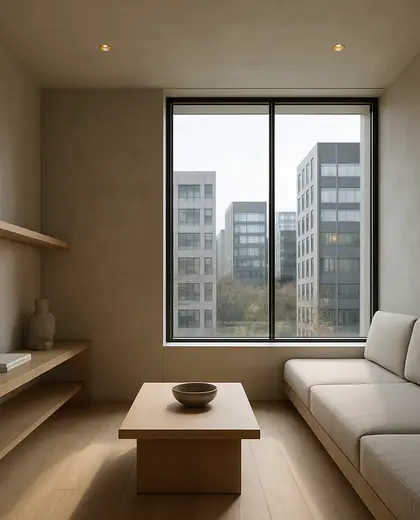
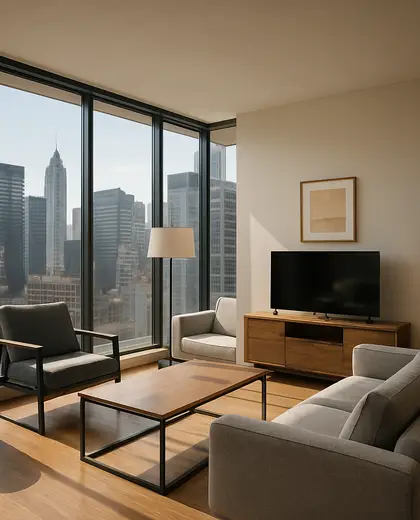
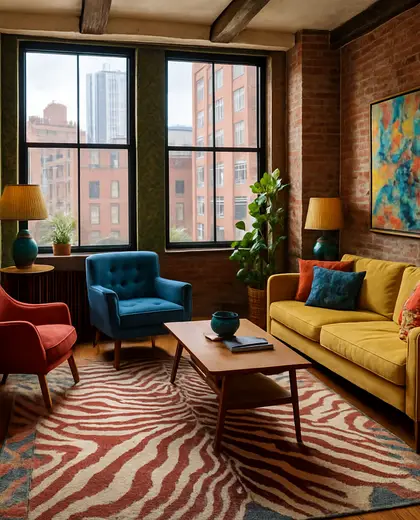
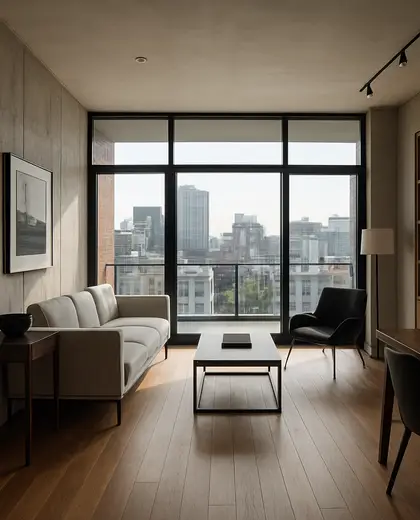
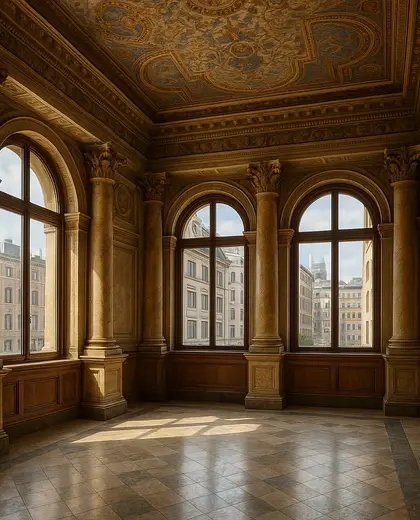
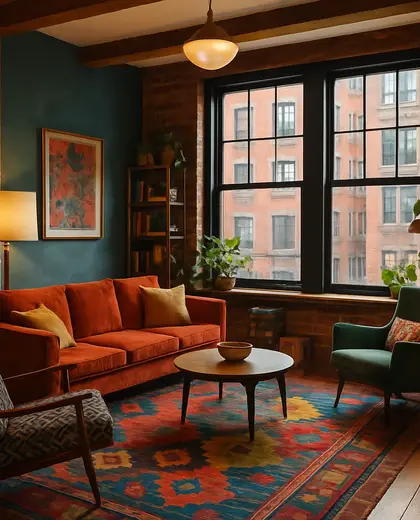
A room composition is defined by enclosed walls, a clear floor plane, a ceiling line, and a limited set of fixed elements such as openings, storage, and built-ins. Common materials include plaster, painted drywall, timber, stone, concrete, glass, and metal, usually organized into a coherent palette rather than many competing finishes. The composition is shaped by circulation, furniture placement, light, and the relationship between hard surfaces and soft furnishings.
- room
— References
References to explore
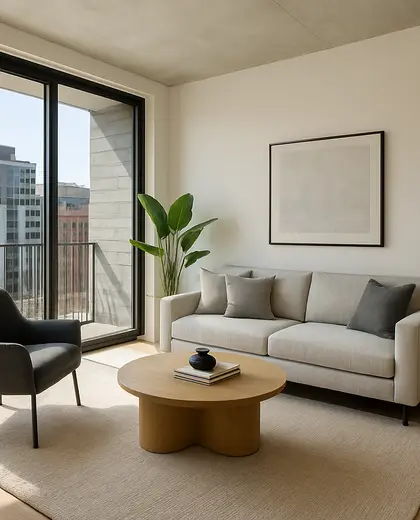
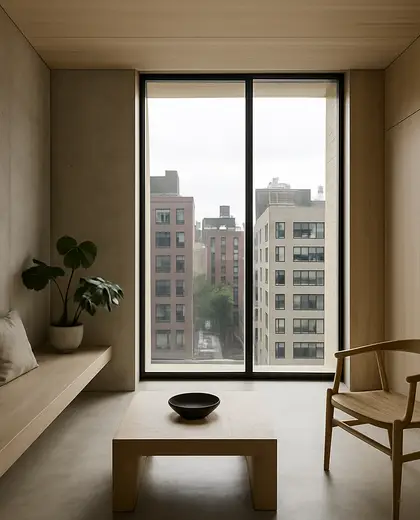
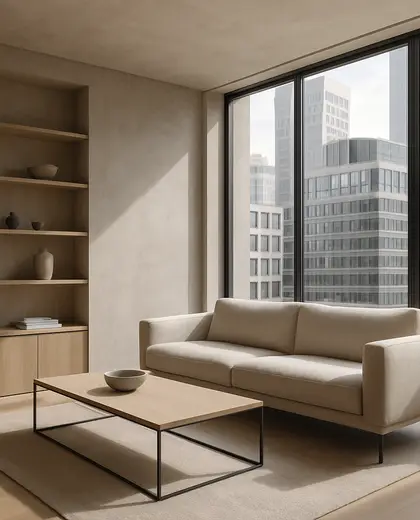
What makes a room composition feel balanced?
Balanced room compositions usually keep the main surfaces calm, align furniture to the room’s geometry, and vary texture so the space does not feel flat.
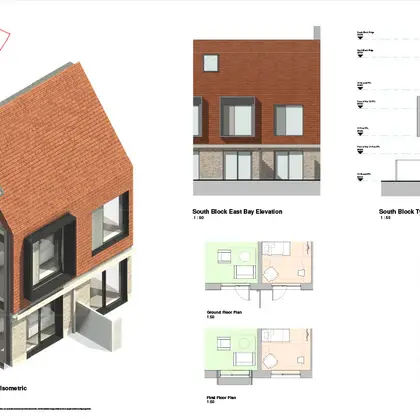
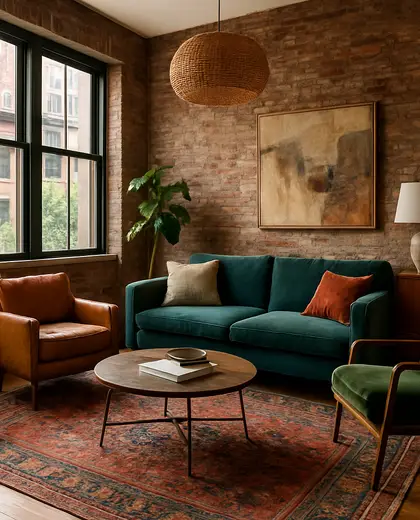
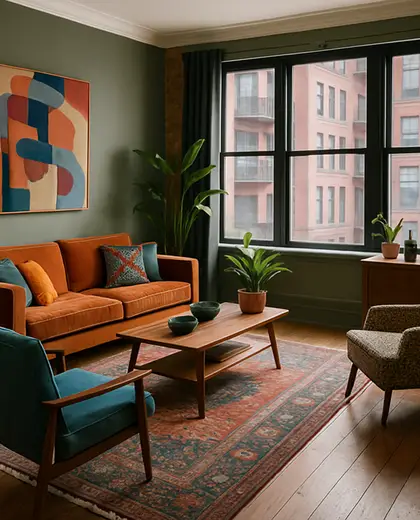
Do I need the same materials everywhere in the room?
No. A room often works better with a few repeated materials and one or two accents, rather than changing finishes at every surface.

Can a small room use a strong composition?
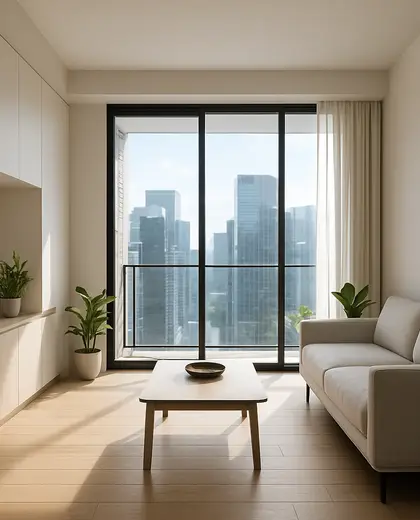
Yes. Small rooms often benefit from fewer materials, lighter tones, and built-ins that keep the layout clear and reduce visual clutter.
— The style
What defines it
Plaster, gypsum board, timber, stone, concrete, glass, and painted metal are common, often paired with textiles for softness.
Usually restrained and coordinated: warm neutrals, natural wood tones, muted earth colors, or a monochrome base with one accent finish.
Furniture, curtains, rugs, lighting, joinery, and artwork to balance scale, acoustics, and visual weight.
— Professionals
Who has already built it
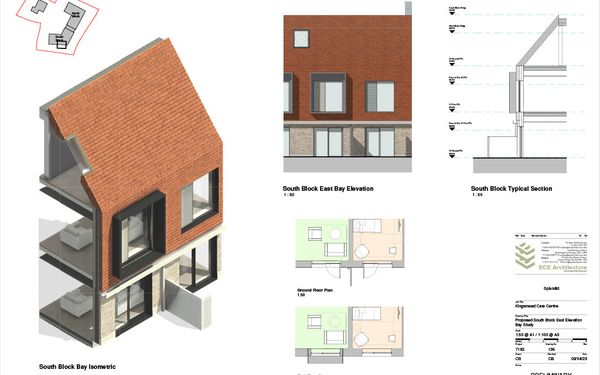

- paquis norris group limitedbuilders · Reading · 3 projectsView profile →
- LoftRobejoiners · Guildford · 4 projectsView profile →
- Beneito Faurelighting designers · 2 projectsView profile →
- Lusso Stonetile suppliers · Stocktonontees · 7 projectsView profile →
— Explore
Keep exploring
— Questions
Frequently asked questions
What makes a room composition feel balanced?
Balanced room compositions usually keep the main surfaces calm, align furniture to the room’s geometry, and vary texture so the space does not feel flat.
Do I need the same materials everywhere in the room?
No. A room often works better with a few repeated materials and one or two accents, rather than changing finishes at every surface.
Can a small room use a strong composition?
Yes. Small rooms often benefit from fewer materials, lighter tones, and built-ins that keep the layout clear and reduce visual clutter.