— Ideas & inspiration
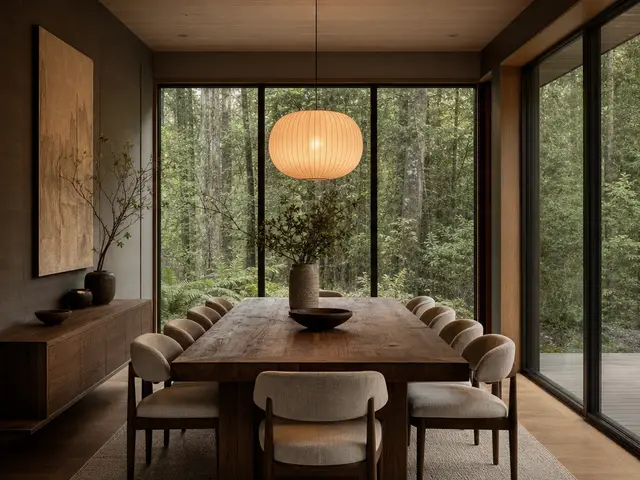
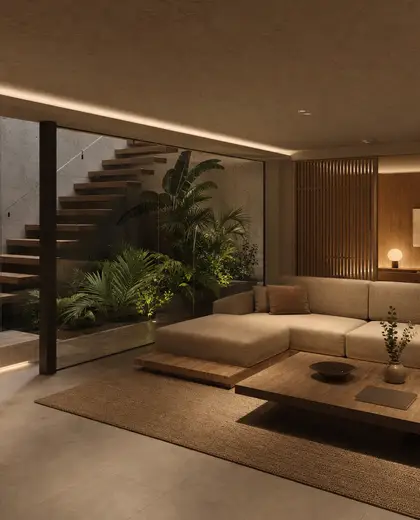
Japandi composition
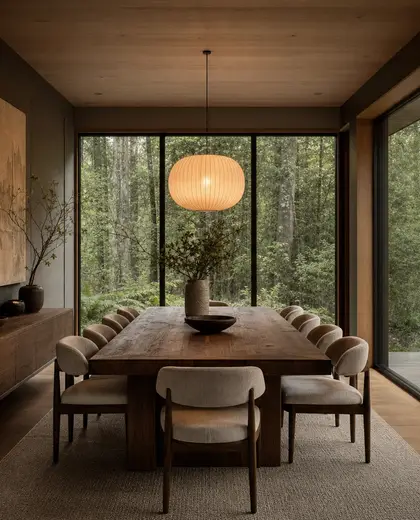
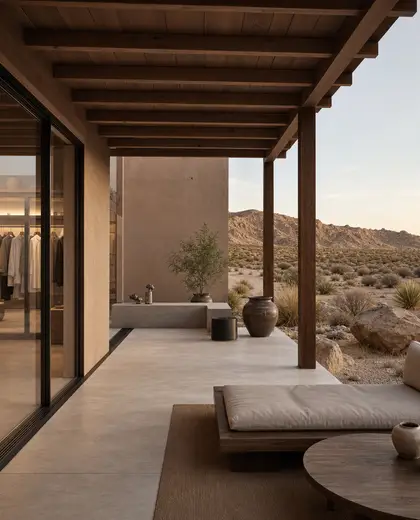
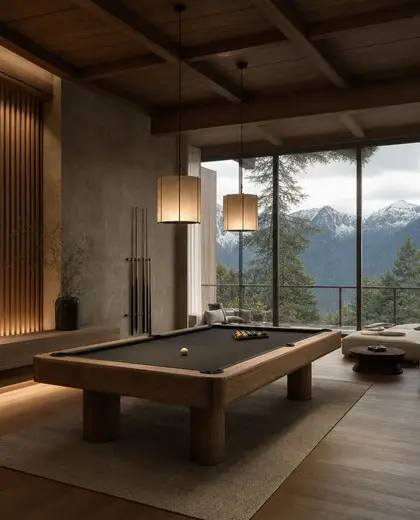
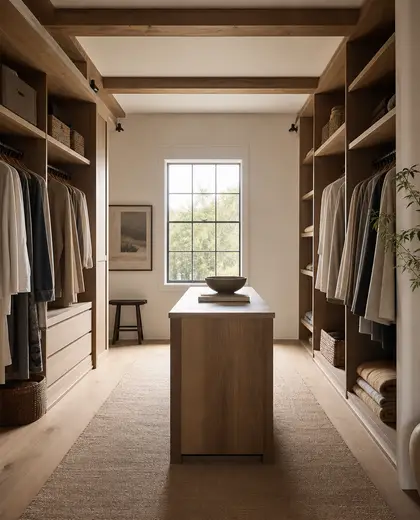
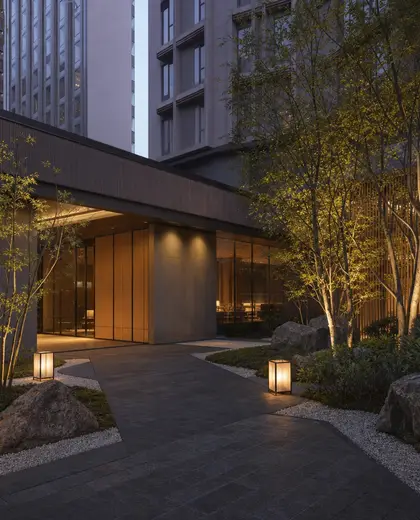
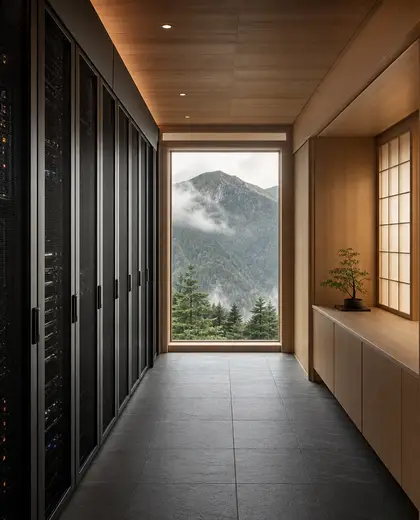
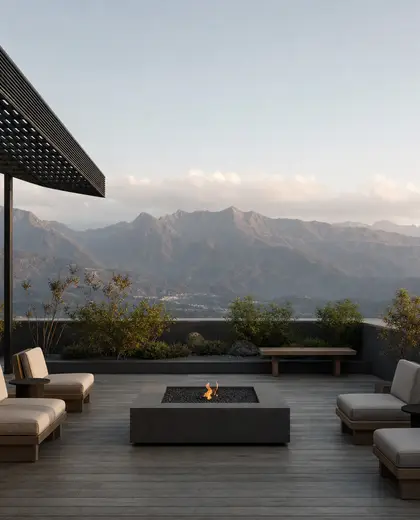
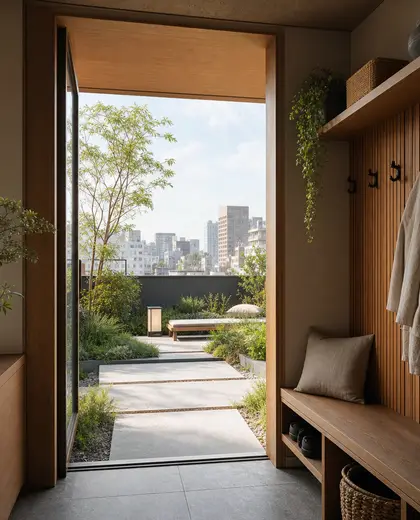
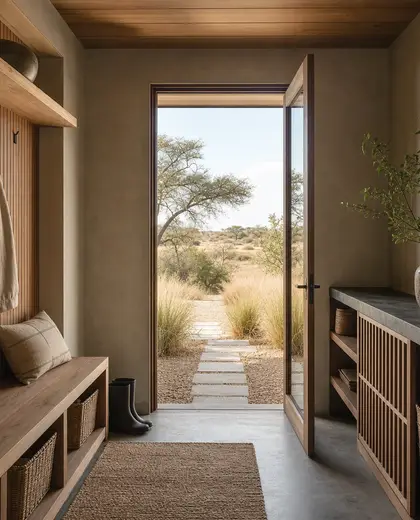
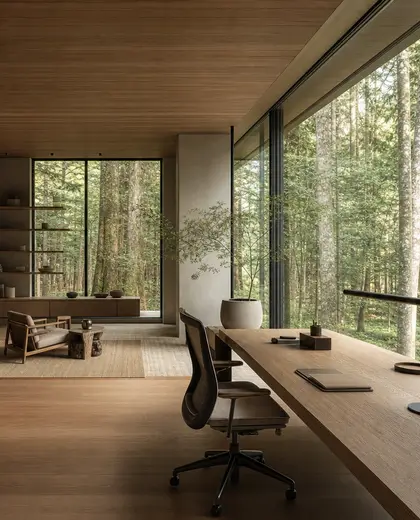
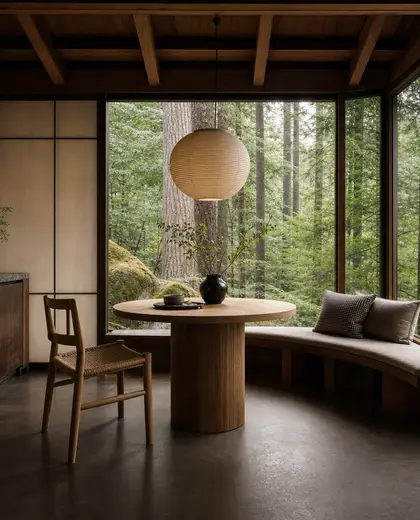
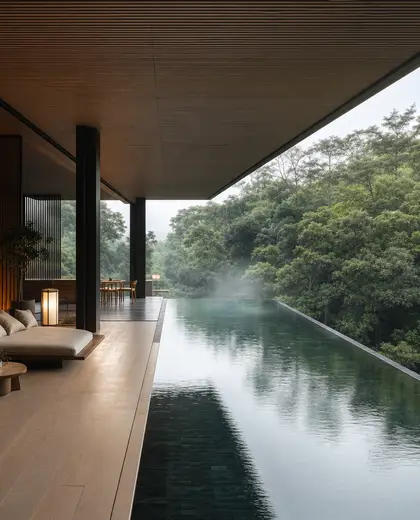
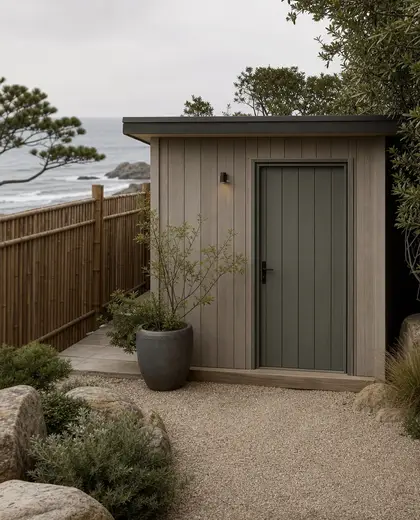
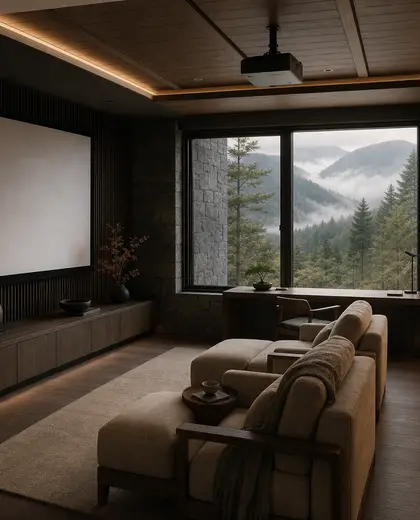
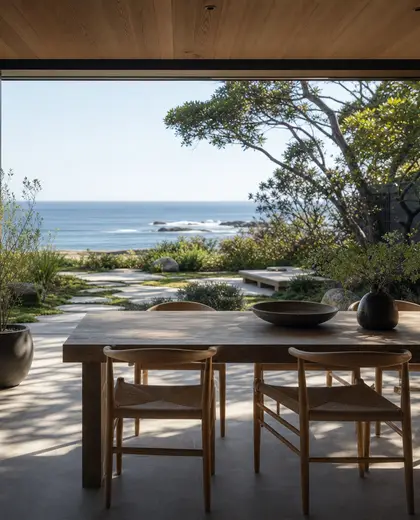
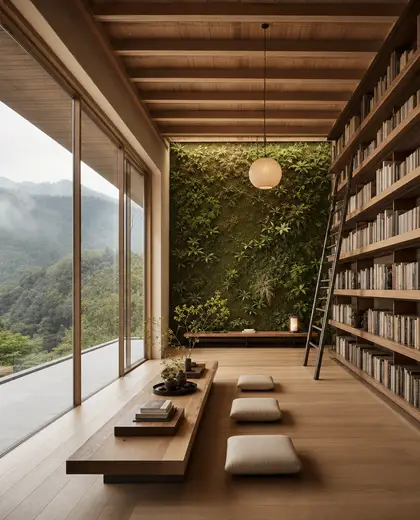
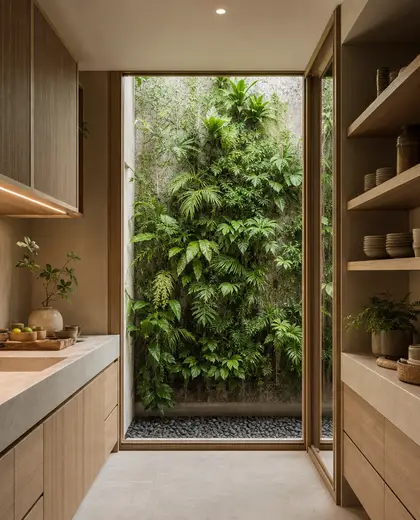
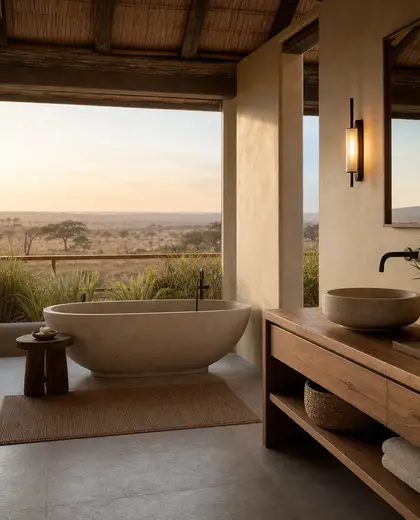
Japandi is defined by a mix of Japanese restraint and Scandinavian warmth. It typically uses natural wood, linen, paper, stone, and matte finishes, with low, simple furniture and clean lines. The palette stays soft and quiet: warm whites, beige, sand, taupe, muted gray, and occasional black accents.
- japandi
— References
References to explore
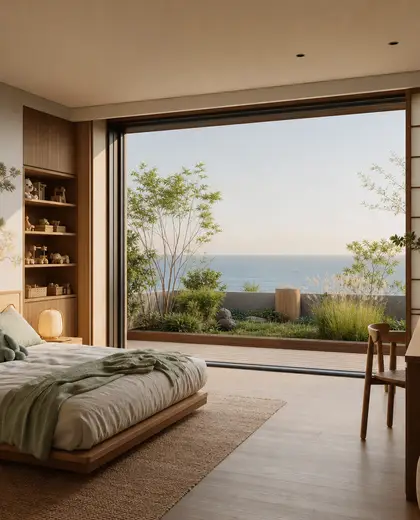
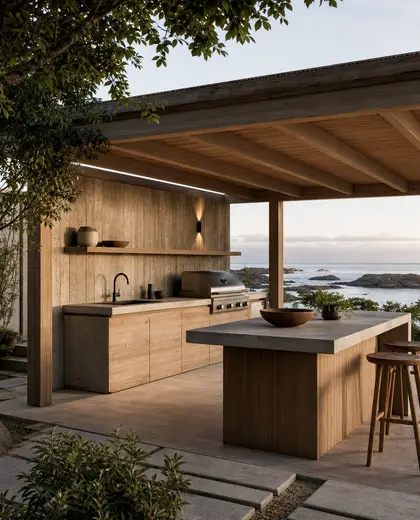
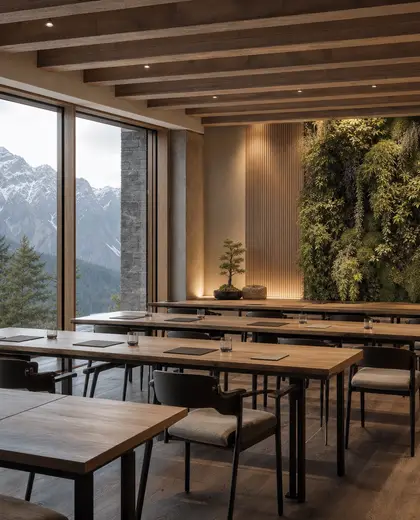
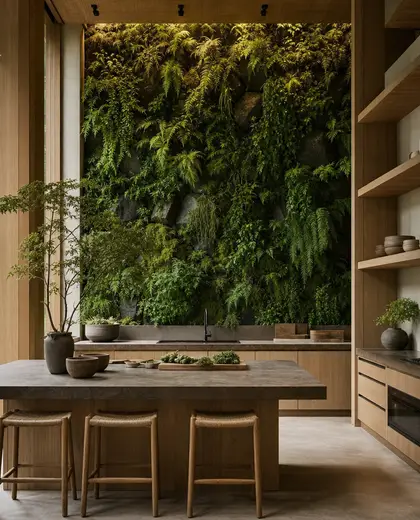
Is Japandi only for very minimal homes?
No. It is minimal, but it can still feel warm, lived-in, and layered through texture, wood grain, and soft textiles.
What furniture suits Japandi best?
Low-profile furniture with simple silhouettes, visible wood, and little ornamentation fits best.
Can Japandi include color?
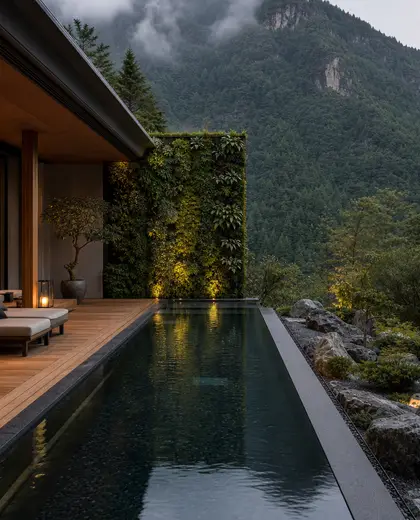
Yes, but usually in a restrained way: muted greens, clay, smoke blue, or dark accents used sparingly.
— The style
What defines it
Light or medium wood, linen, wool, paper screens, ceramic, stone, and matte metal are common.
Neutral and muted tones dominate, with warm whites, beige, sand, gray, and small black contrasts.
Works well with minimalist, wabi-sabi, Scandinavian, and contemporary interiors.
— Professionals
Who has already built it
- LoftRobejoiners · Guildford · 4 projectsView profile →
- Beneito Faurelighting designers · 2 projectsView profile →
- Lusso Stonetile suppliers · Stocktonontees · 7 projectsView profile →
- elizabeth bee interior deinterior designers · 4 projectsView profile →
— Explore
Keep exploring
— ARTICLES
Related reading
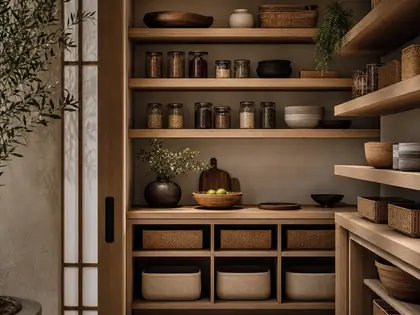
A Japandi pantry: calm order for everyday living
Discover how to create a Japandi pantry that feels calm, practical and beautifully ordered, with warm timber, muted tones and quiet, useful detailing.
Read article →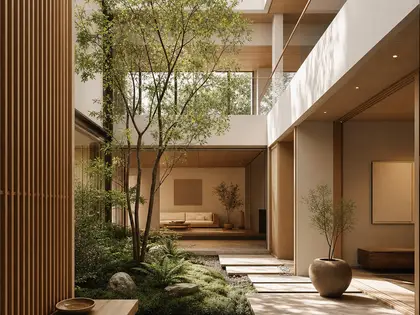
5 atrium mistakes to avoid for a brighter, calmer home
Avoid the most common atrium planning mistakes and create a light-filled, practical space that feels calm rather than cold or echoey.
Read article →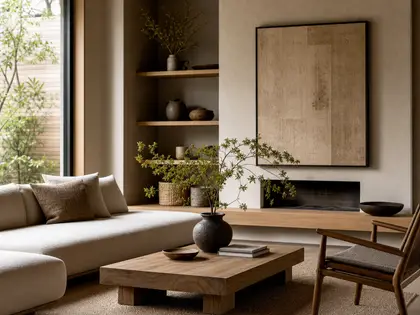
A calm Japandi living room: how to create the look at home
Discover how to design a Japandi living room with soft materials, low furniture, quiet colour, and the small details that make the room feel serene and intentional.
Read article →— Questions
Frequently asked questions
Is Japandi only for very minimal homes?
No. It is minimal, but it can still feel warm, lived-in, and layered through texture, wood grain, and soft textiles.
What furniture suits Japandi best?
Low-profile furniture with simple silhouettes, visible wood, and little ornamentation fits best.
Can Japandi include color?
Yes, but usually in a restrained way: muted greens, clay, smoke blue, or dark accents used sparingly.