— Ideas & inspiration
Sustainable beach house design
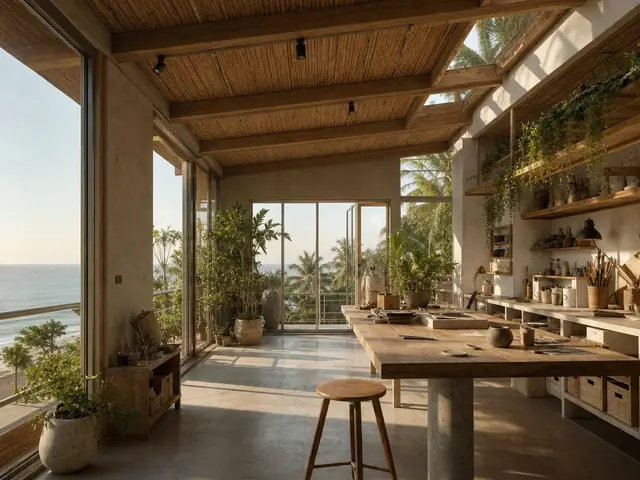
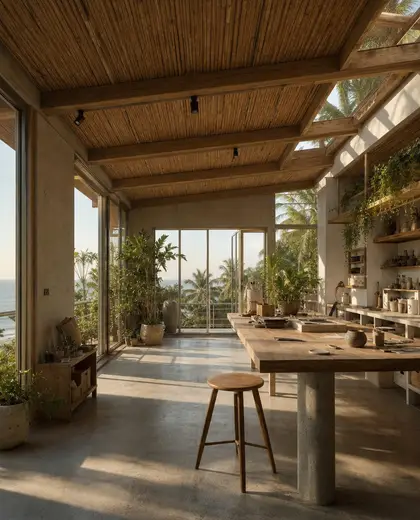
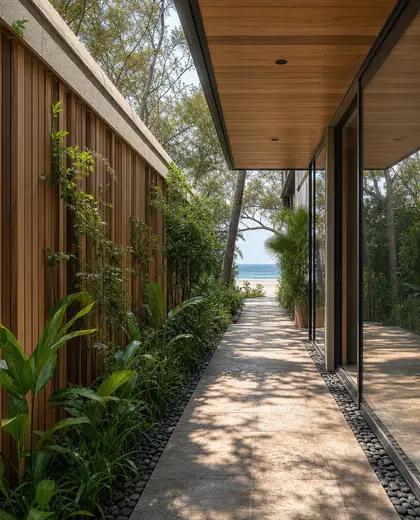
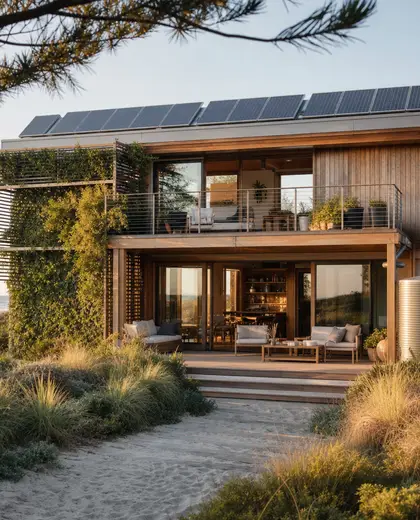
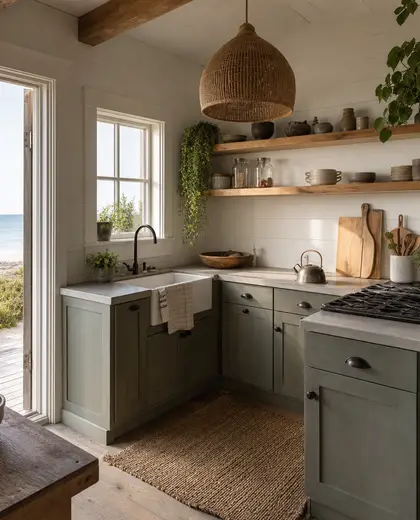
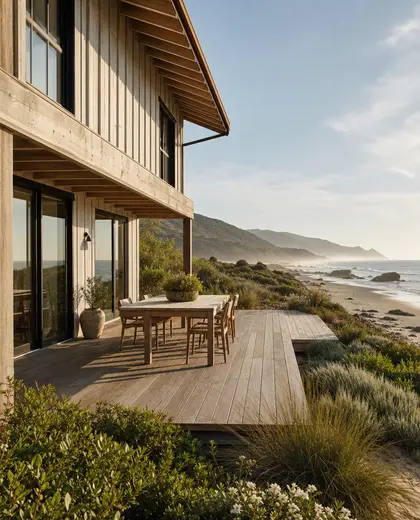
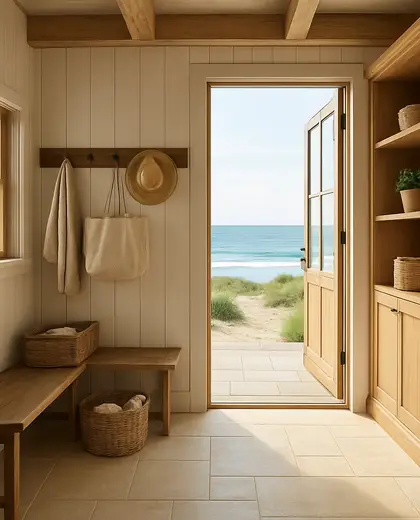
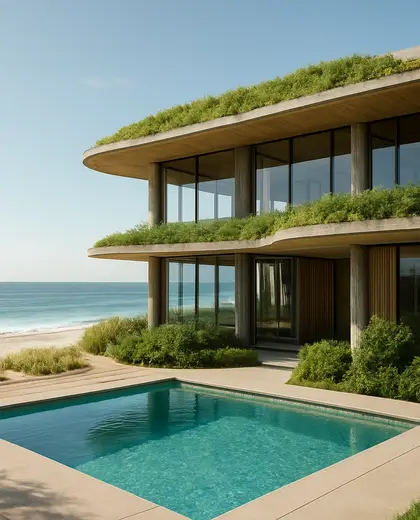
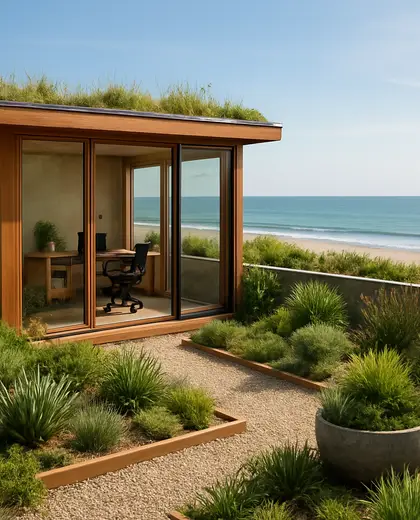
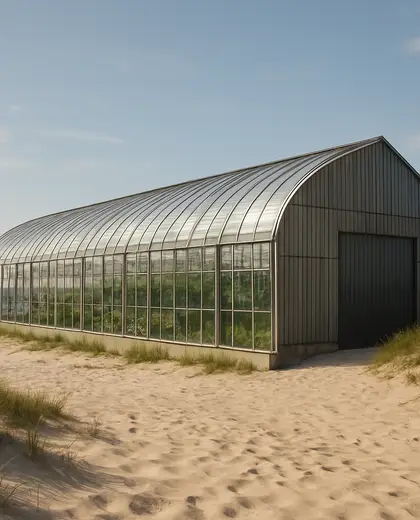
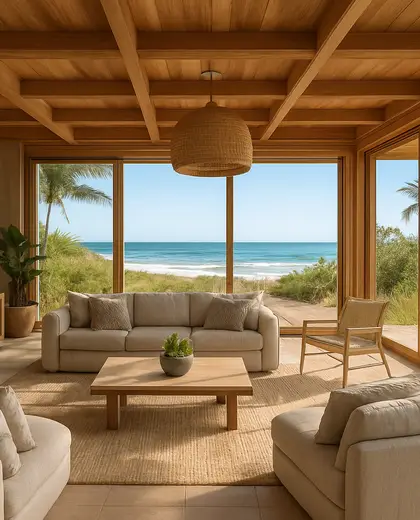
This composition uses natural, low-impact materials such as reclaimed timber, bamboo, lime plaster, and stone suited to coastal conditions. The palette is sun-washed and restrained: sand, white, driftwood gray, sea green, and muted blue. Key elements often include shaded terraces, cross ventilation, deep overhangs, and elevated structures that respond to wind, salt, and glare.
- sustainable
- beach
— References
References to explore
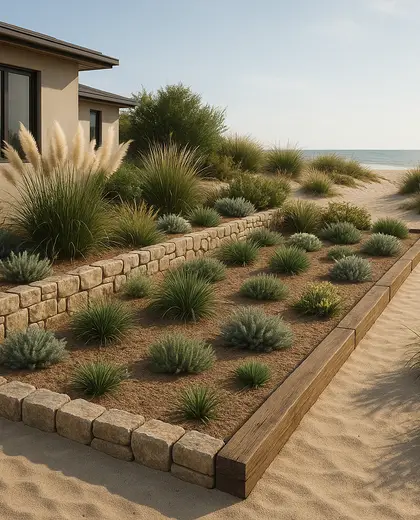
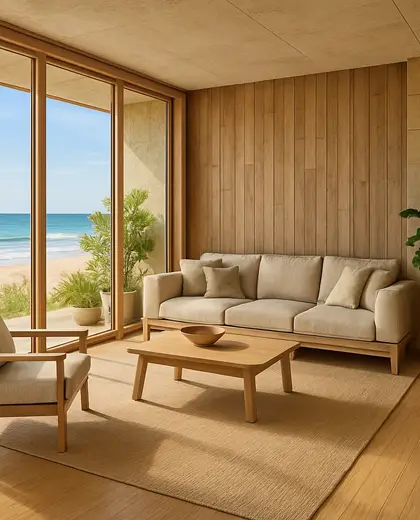
What makes a beach house sustainable?
It typically reduces energy use with shading, ventilation, and daylight, while relying on durable, local, or recycled materials that handle coastal exposure well.
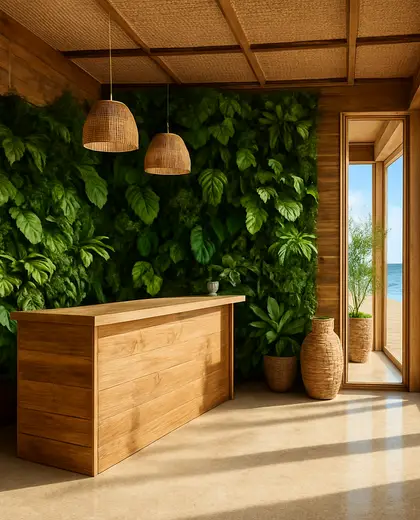
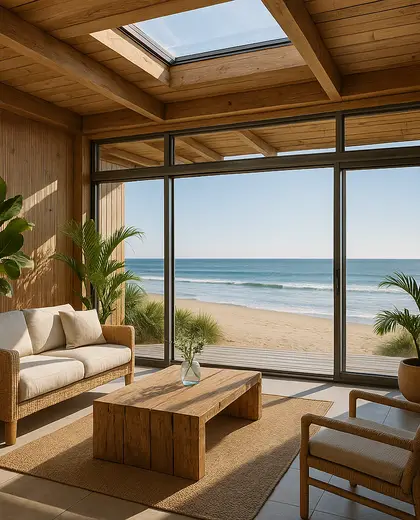
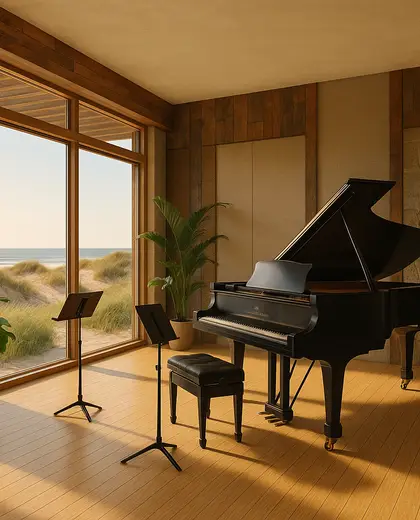
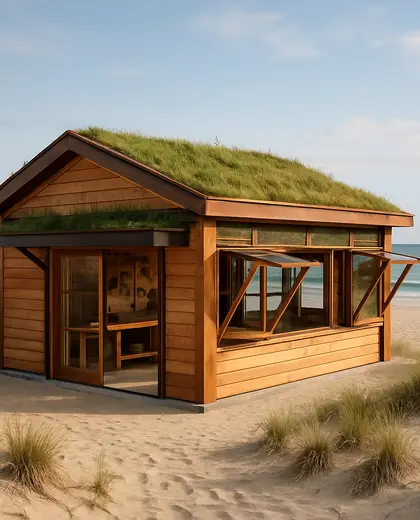
Which materials work best near the sea?
Materials that resist moisture and salt, like treated timber, stone, fiber-cement, stainless steel, and lime-based finishes, are common choices.
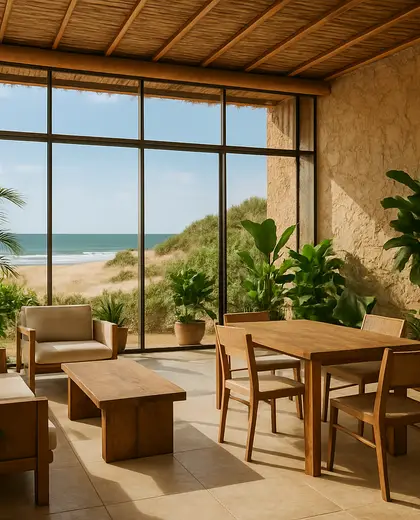
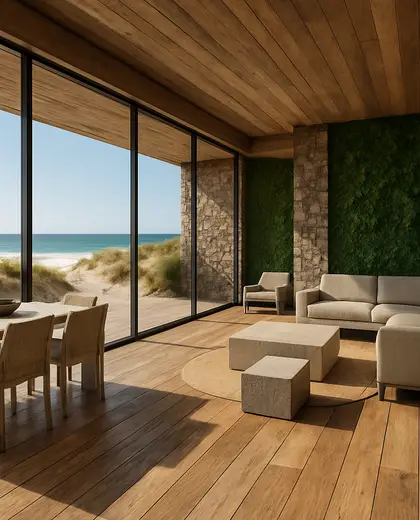
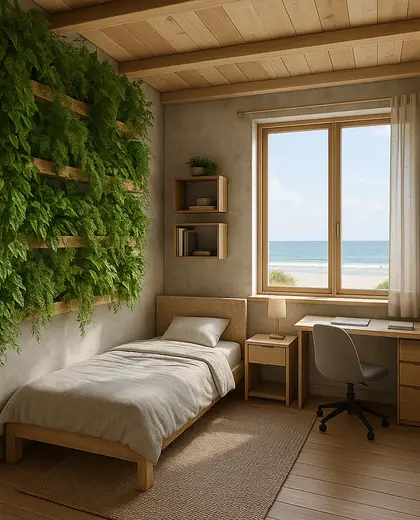
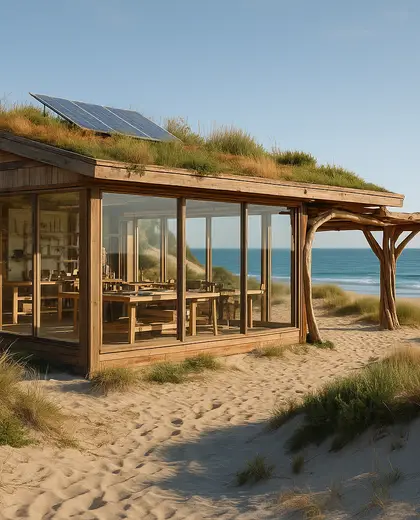
Can a sustainable beach house still feel relaxed and open?
Yes. Large openings, covered outdoor areas, and light-toned finishes can create a breezy feel while still controlling heat and glare.
— The style
What defines it
Reclaimed wood, bamboo, fiber-cement, lime plaster, stone, and corrosion-resistant metal details.
Sand, shell white, driftwood gray, soft blue, sea glass green, and other weathered neutrals.
Passive cooling, indoor-outdoor living, raised floors, shaded decks, and durable coastal construction.
— Professionals
Who has already built it
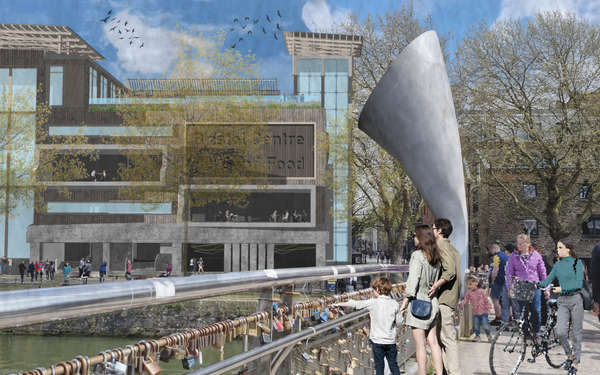

- paquis norris group limitedbuilders · Reading · 3 projectsView profile →
- LoftRobejoiners · Guildford · 4 projectsView profile →
- Beneito Faurelighting designers · 2 projectsView profile →
- Lusso Stonetile suppliers · Stocktonontees · 7 projectsView profile →
— Explore
Keep exploring
— ARTICLES
Related reading
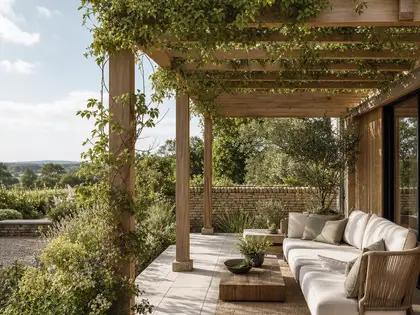
5 mistakes to avoid when designing a pergola
A practical guide to the most common pergola mistakes, with simple fixes that make the space more comfortable, durable and easy to enjoy in the UK.
Read article →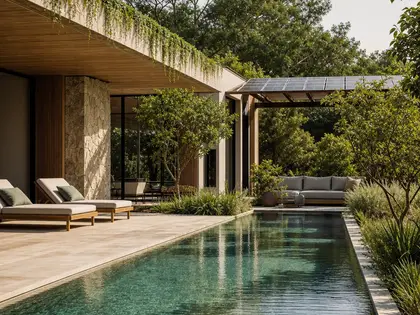
pool trends that feel fresh in 2026
A practical look at the latest pool trends, from low-energy materials and calm colour palettes to smarter layouts and tech, plus easy ways to update without a full rebuild.
Read article →— Questions
Frequently asked questions
What makes a beach house sustainable?
It typically reduces energy use with shading, ventilation, and daylight, while relying on durable, local, or recycled materials that handle coastal exposure well.
Which materials work best near the sea?
Materials that resist moisture and salt, like treated timber, stone, fiber-cement, stainless steel, and lime-based finishes, are common choices.
Can a sustainable beach house still feel relaxed and open?
Yes. Large openings, covered outdoor areas, and light-toned finishes can create a breezy feel while still controlling heat and glare.