— Ideas & inspiration
Sustainable architecture with a coastal sensibility
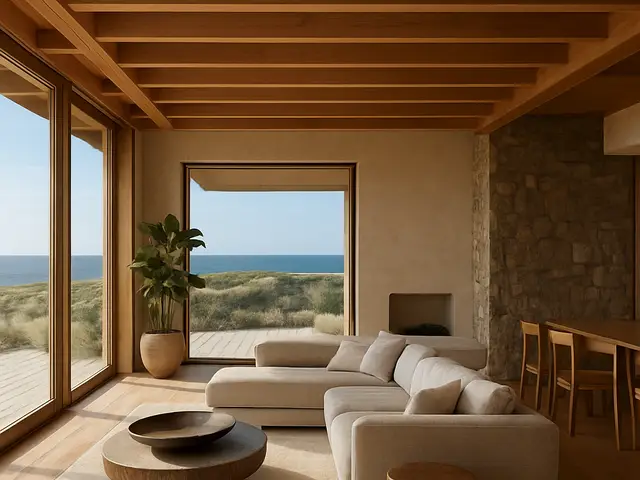
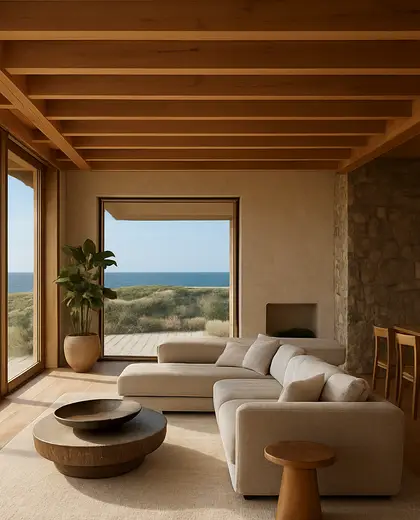
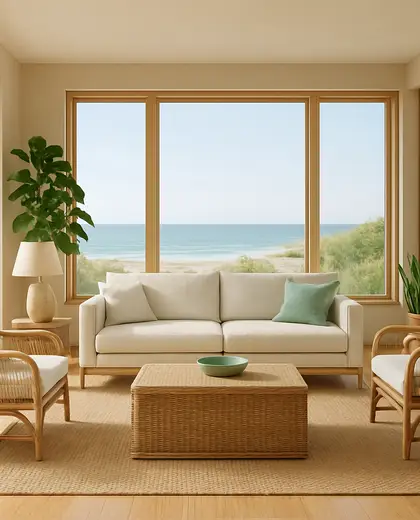
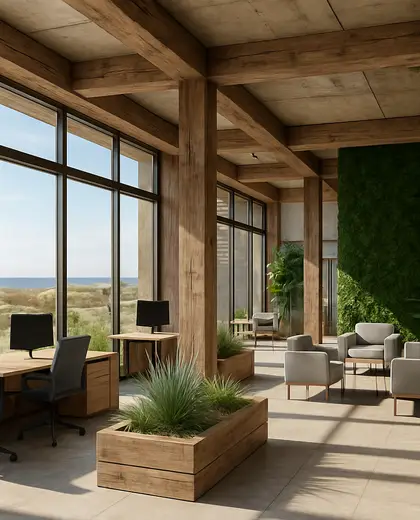
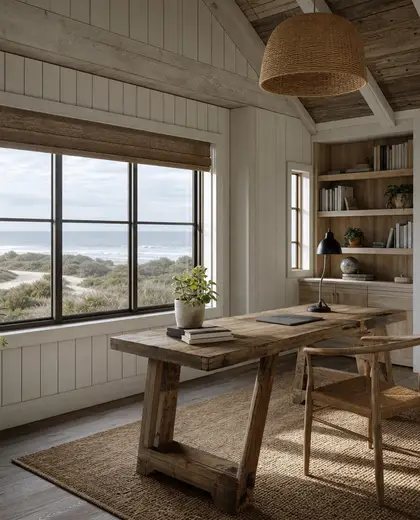
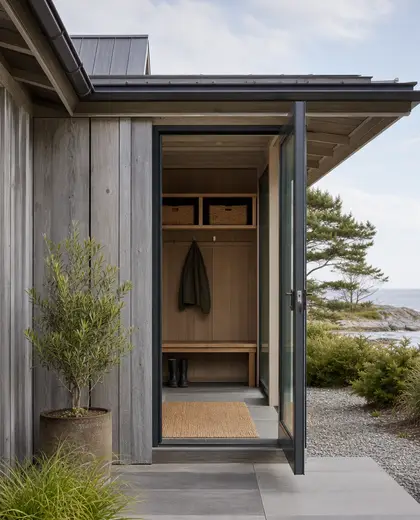
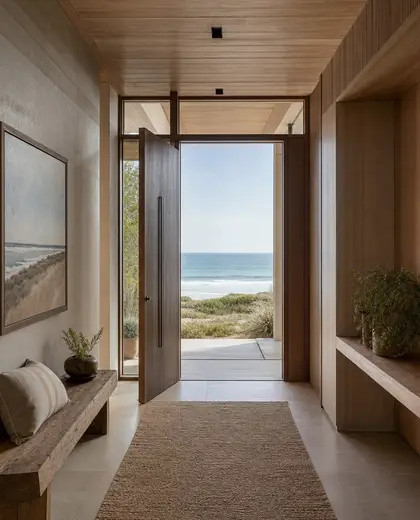
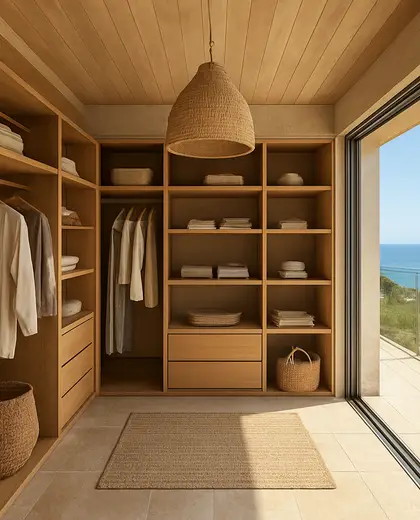
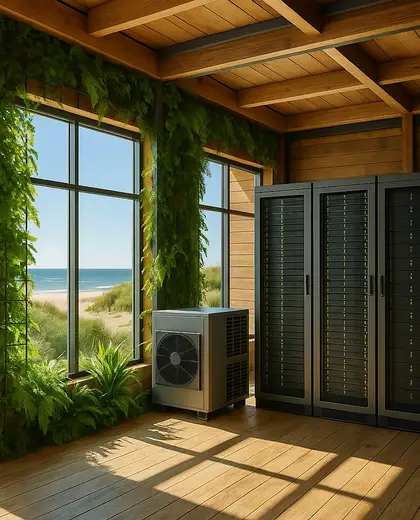
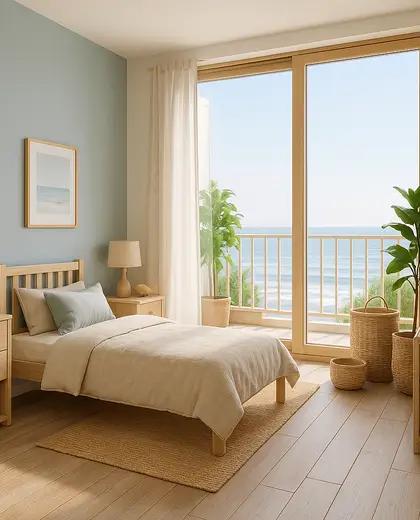
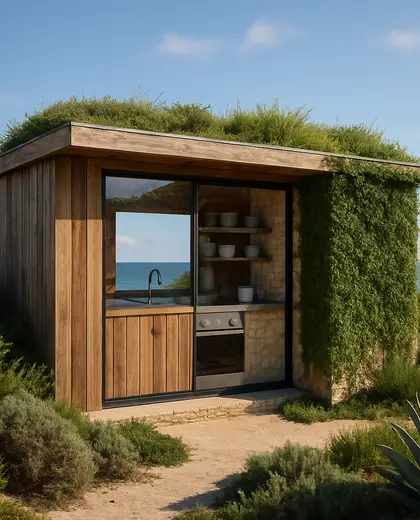
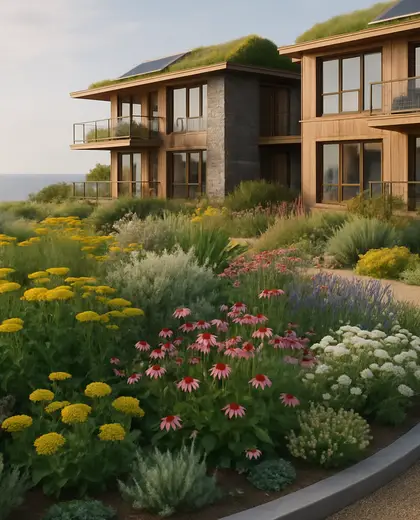
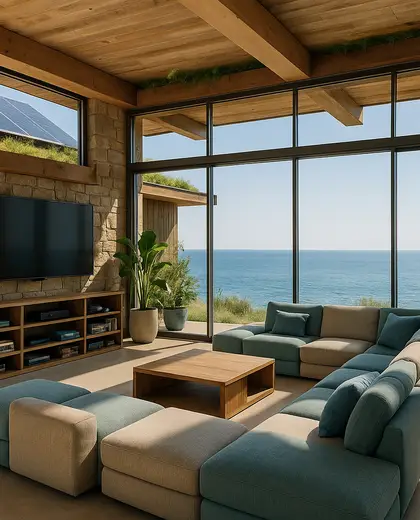
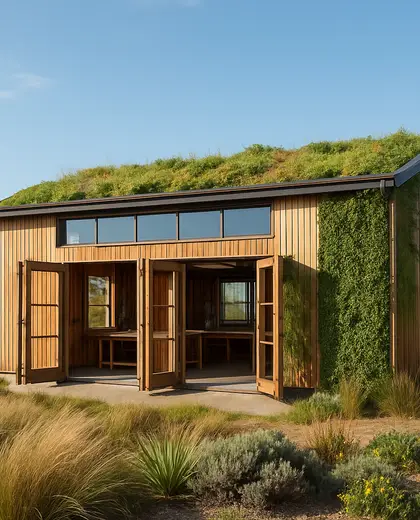
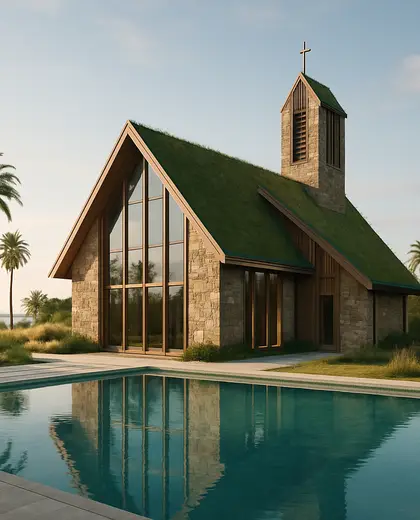
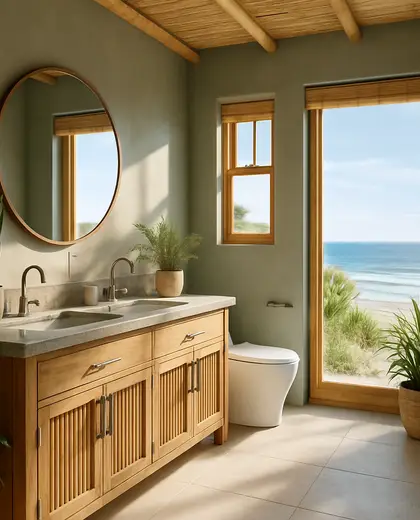
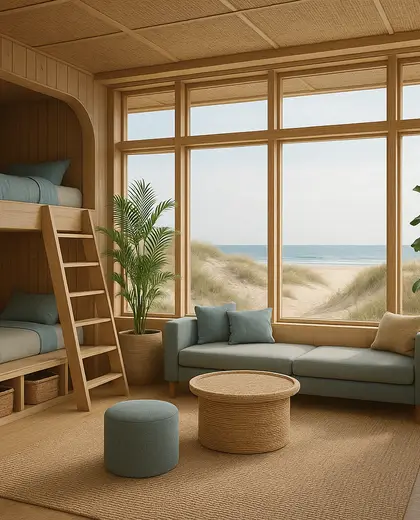
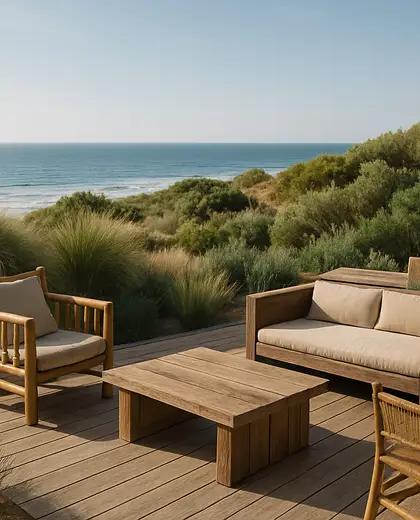
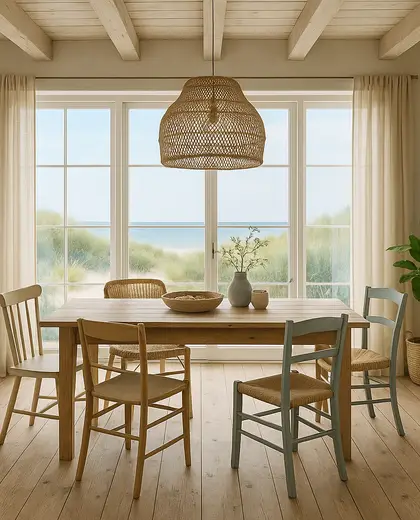
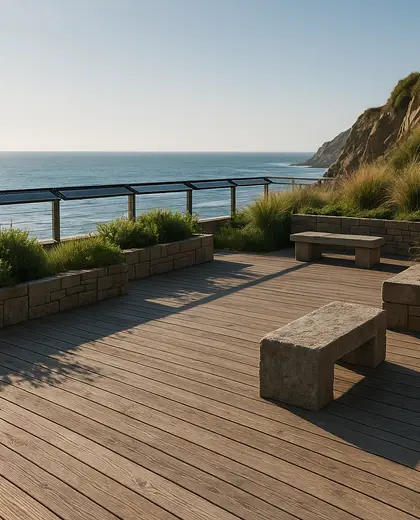
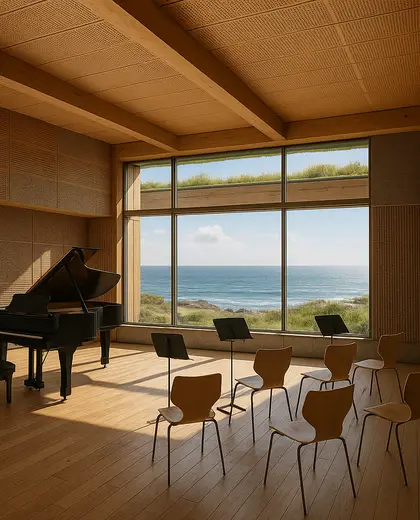
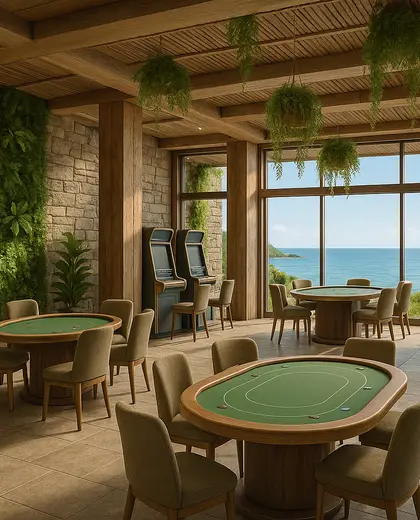
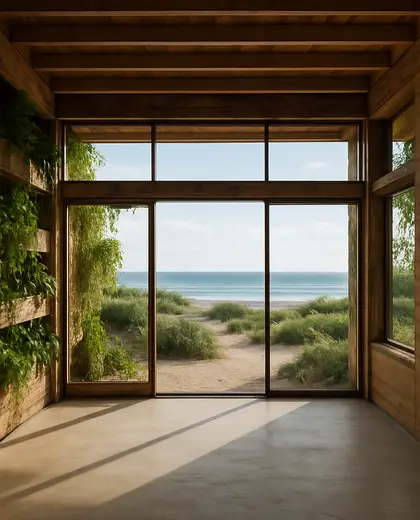
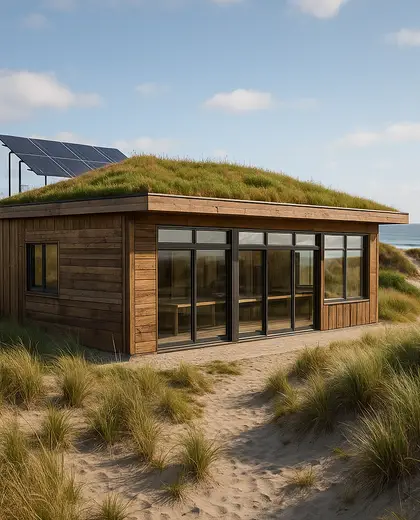
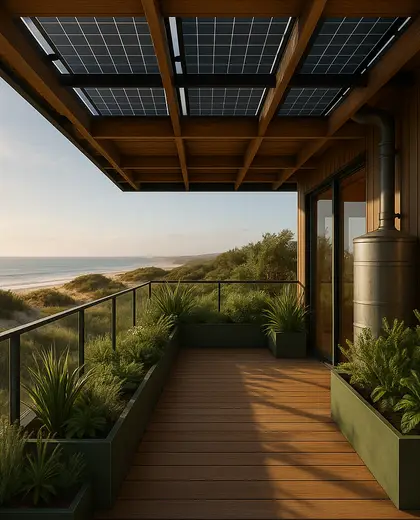
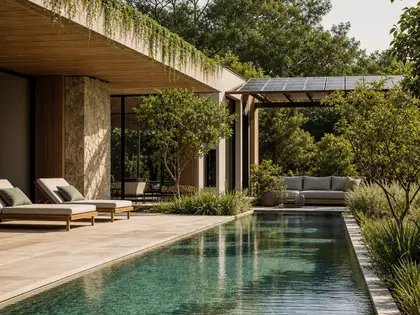
This composition is defined by weather-tolerant materials, low-impact construction, and forms that respond to salt air, wind, and bright light. Expect timber, stone, lime plaster, recycled metal, deep overhangs, shaded openings, and a palette drawn from sand, seafoam, driftwood, and whitewashed surfaces. It combines environmental performance with relaxed, seaside-inspired spaces that feel open, durable, and calm.
- sustainable
- coastal
— References
References to explore

What makes a home feel both sustainable and coastal?
It usually pairs durable, low-impact materials with design features that suit a marine climate, such as shading, ventilation, and finishes that age well in salt air.
Which materials work best in a coastal setting?
Materials that resist moisture and corrosion tend to perform well, including treated timber, stone, concrete, lime-based finishes, and marine-grade metals.
Will this style always look beachy?
Not necessarily. It can be subtle and architectural, with coastal influence shown through light tones, natural textures, and climate-responsive details rather than literal nautical decoration.
— The style
What defines it
Timber, natural stone, lime plaster, recycled metal, and corrosion-resistant finishes are common choices for durability near the water.
Soft whites, sand, pale blue, sea glass green, weathered gray, and muted taupe create a light, sun-washed look.
Passive cooling, shaded terraces, cross-ventilation, raised details, and landscape planting that can handle wind and salt exposure.
— Professionals
Who has already built it


- paquis norris group limitedbuilders · Reading · 3 projectsView profile →
- LoftRobejoiners · Guildford · 4 projectsView profile →
- Beneito Faurelighting designers · 2 projectsView profile →
- Lusso Stonetile suppliers · Stocktonontees · 7 projectsView profile →
— Explore
Keep exploring
— Questions
Frequently asked questions
What makes a home feel both sustainable and coastal?
It usually pairs durable, low-impact materials with design features that suit a marine climate, such as shading, ventilation, and finishes that age well in salt air.
Which materials work best in a coastal setting?
Materials that resist moisture and corrosion tend to perform well, including treated timber, stone, concrete, lime-based finishes, and marine-grade metals.
Will this style always look beachy?
Not necessarily. It can be subtle and architectural, with coastal influence shown through light tones, natural textures, and climate-responsive details rather than literal nautical decoration.