— Ideas & inspiration
Sustainable city living in a contemporary architectural frame
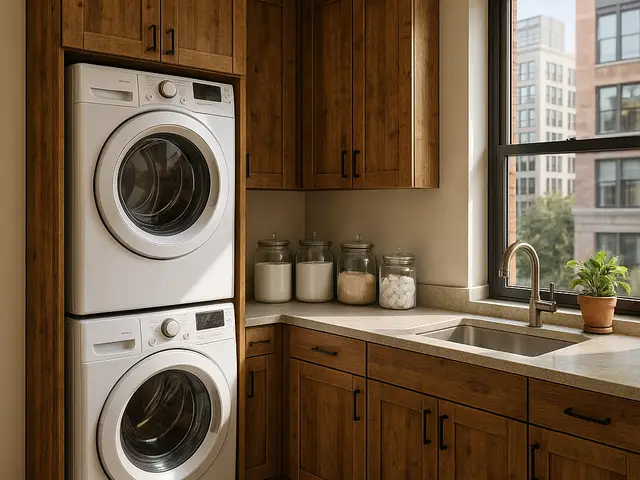
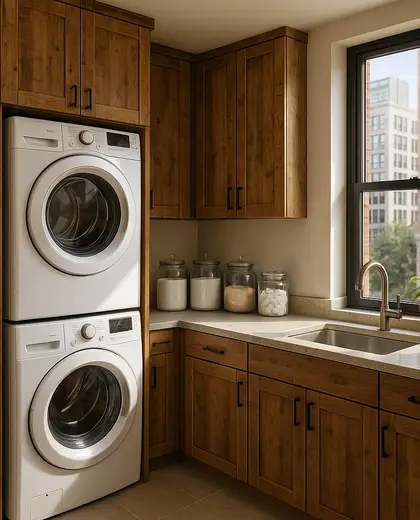
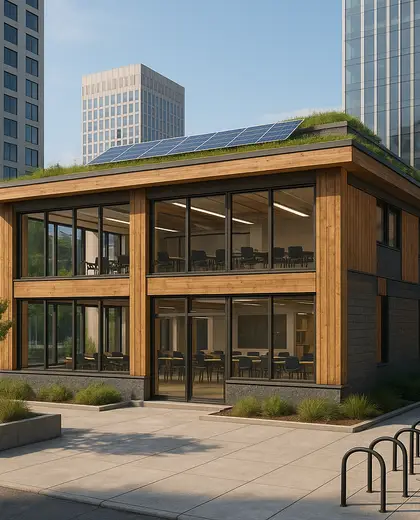
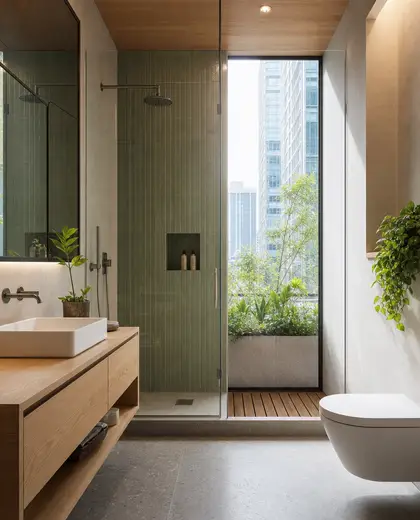
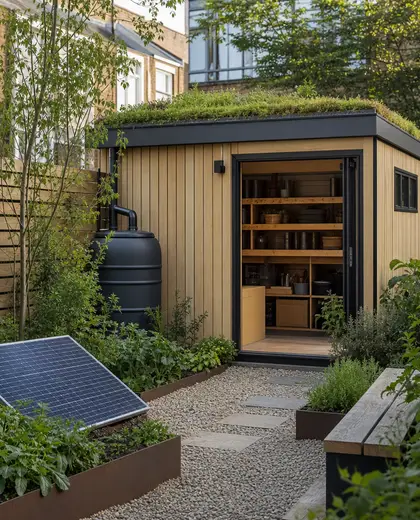
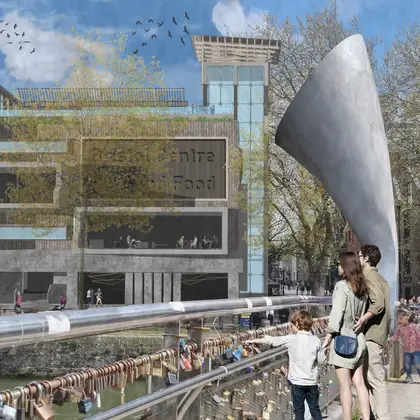
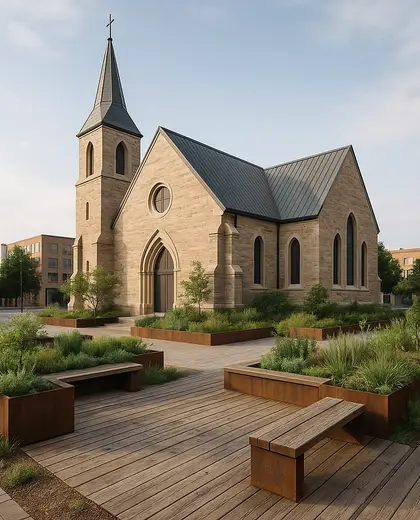
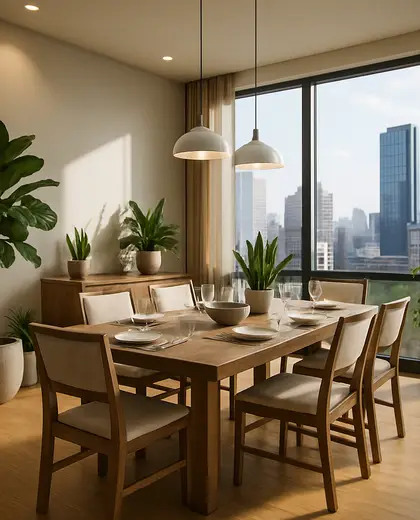
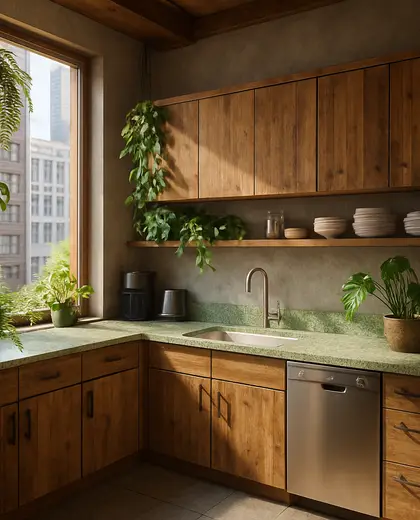
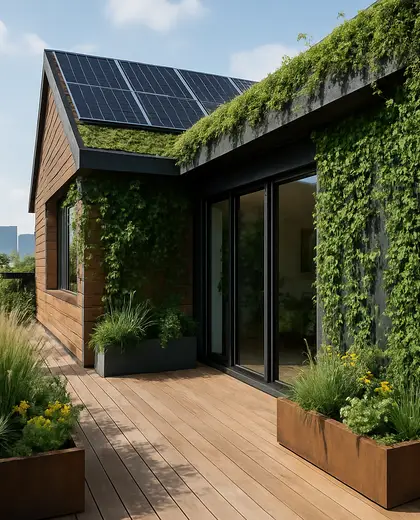
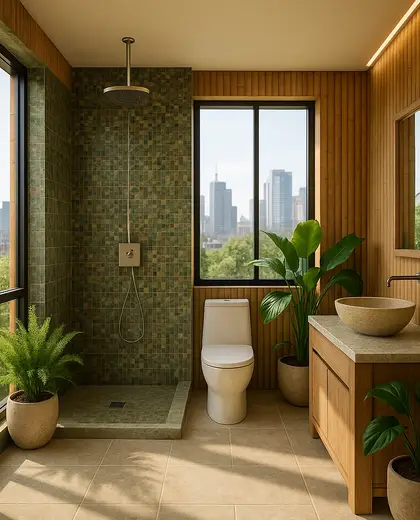
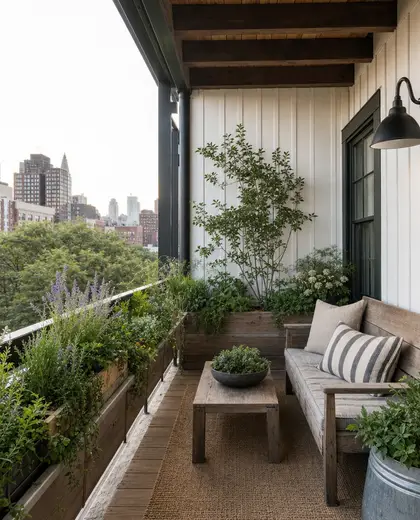
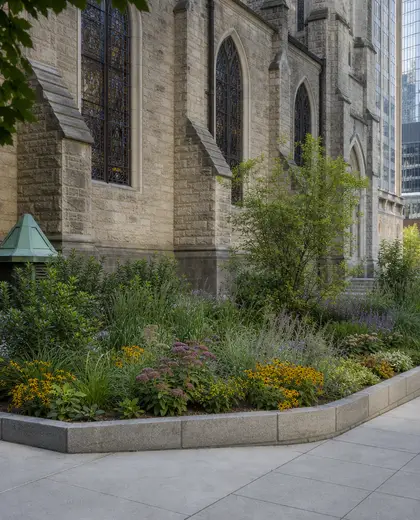
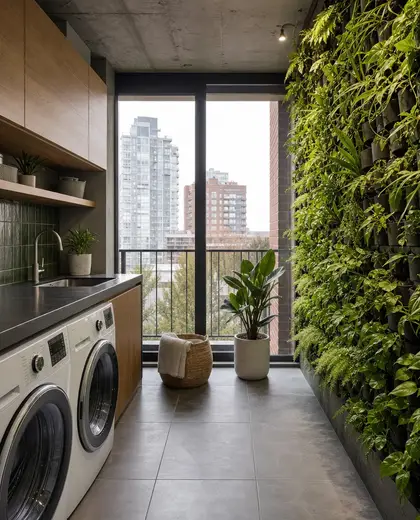
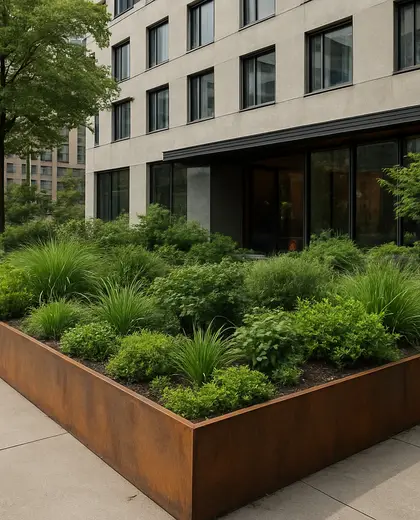
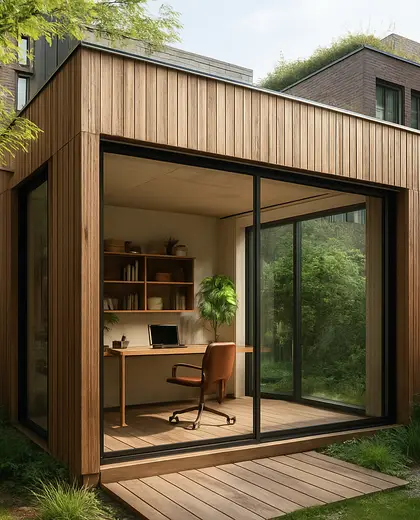
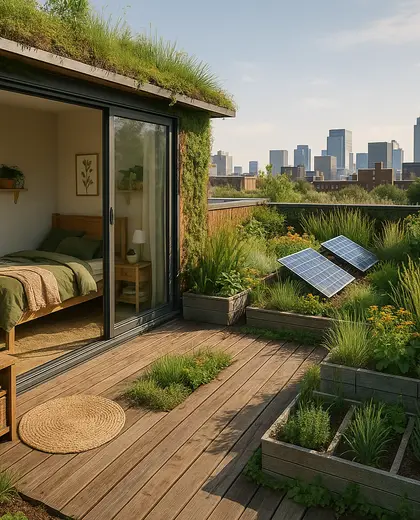
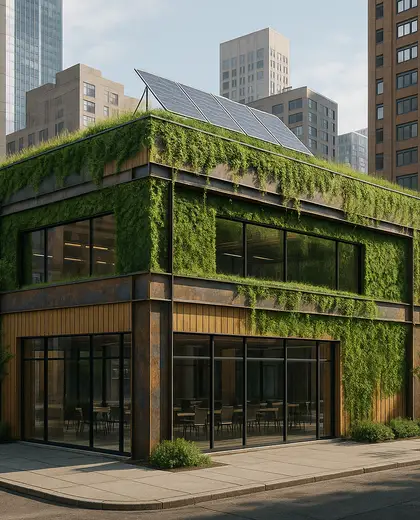
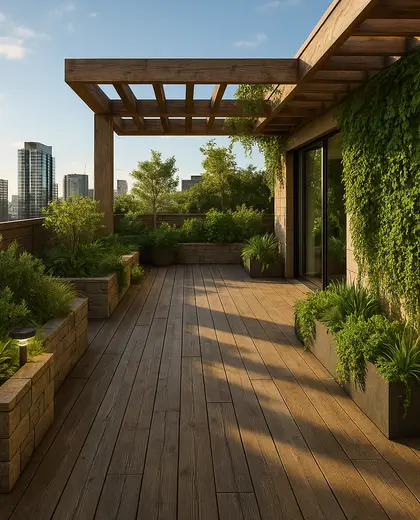
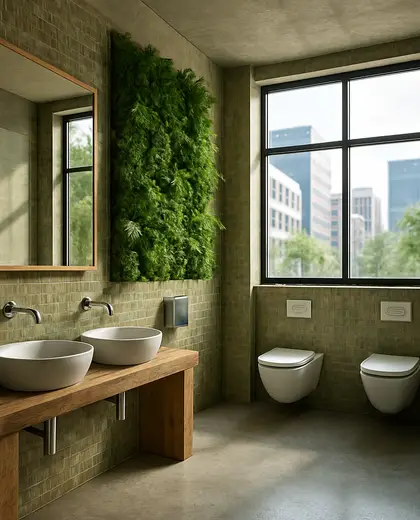
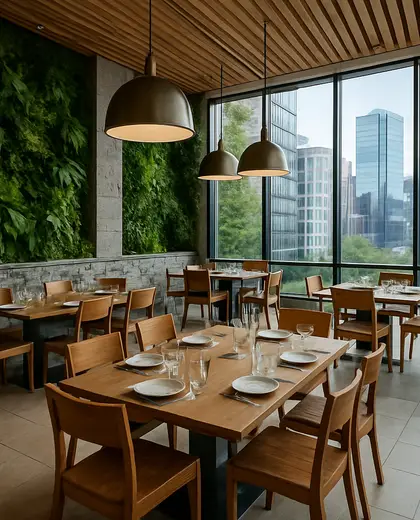
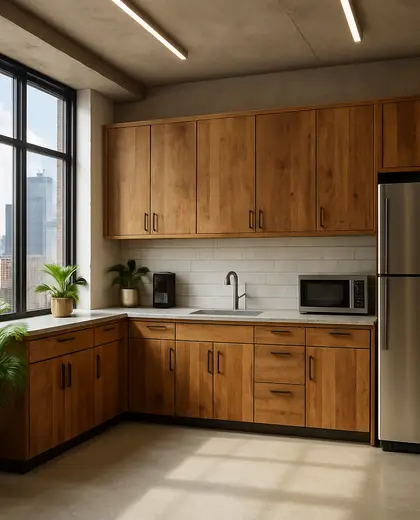
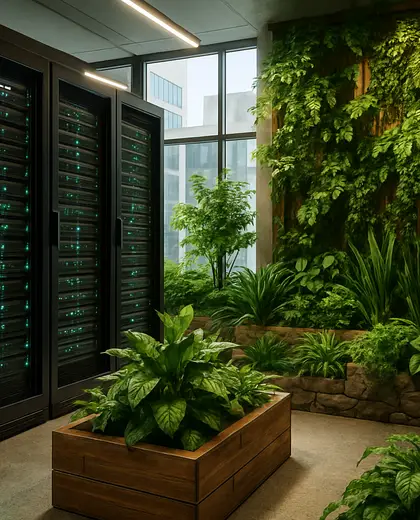
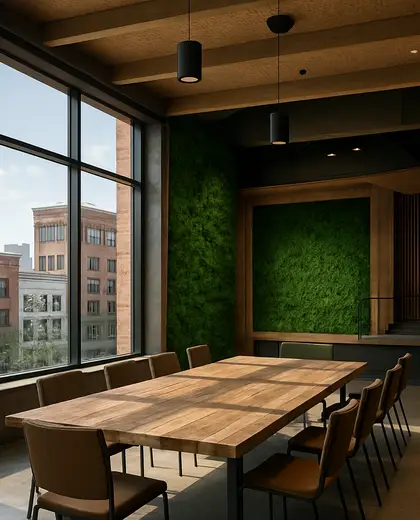
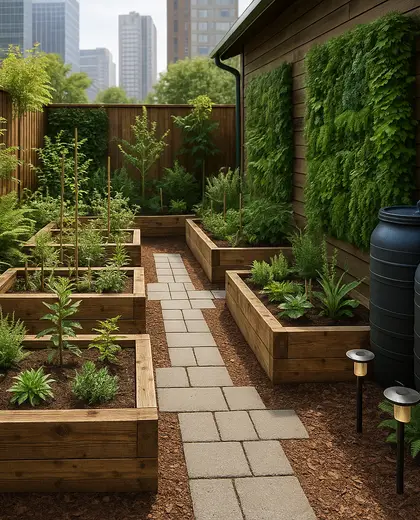
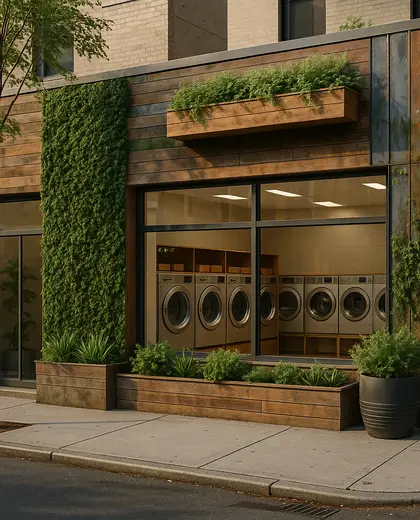
This composition is defined by low-impact materials such as timber, recycled brick, concrete, and high-performance glazing, arranged in clean urban volumes. The palette stays grounded in muted neutrals, warm wood tones, and planted surfaces that soften the hard edges of the city. Key elements include green roofs, deep shading, courtyards, and compact forms that make dense sites feel calmer and more breathable.
- sustainable
- urban
— References
References to explore
Is this style only for large eco-buildings?
No. It can be scaled to apartments, townhouses, infill homes, and mixed-use buildings, as long as the design prioritizes efficiency and urban fit.
What makes it feel sustainable without looking overly technical?
The look usually comes from simple forms, durable natural materials, shaded openings, and visible greenery rather than overt mechanical features.
Will it suit a dense neighborhood?
Yes. The style is often designed for compact sites, using setbacks, courtyards, screened windows, and roof planting to add privacy and light.
— The style
What defines it
Timber, recycled brick, exposed concrete, metal, and efficient glazing are common, often paired with planted facades or roof systems.
Muted greys, charcoal, off-white, weathered brick, and natural wood tones create a restrained city look with organic contrast.
Works well with courtyard layouts, rooftop gardens, screen systems, and compact massing for tight urban plots.
— Professionals
Who has already built it

- paquis norris group limitedbuilders · Reading · 3 projectsView profile →
- LoftRobejoiners · Guildford · 4 projectsView profile →
- Beneito Faurelighting designers · 2 projectsView profile →
- Lusso Stonetile suppliers · Stocktonontees · 7 projectsView profile →
— Explore
Keep exploring
— ARTICLES
Related reading
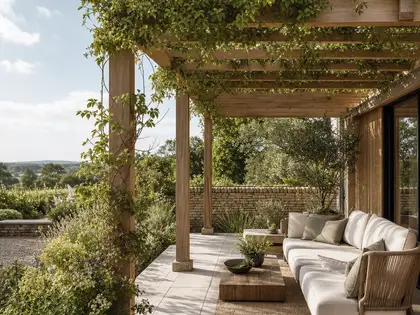
5 mistakes to avoid when designing a pergola
A practical guide to the most common pergola mistakes, with simple fixes that make the space more comfortable, durable and easy to enjoy in the UK.
Read article →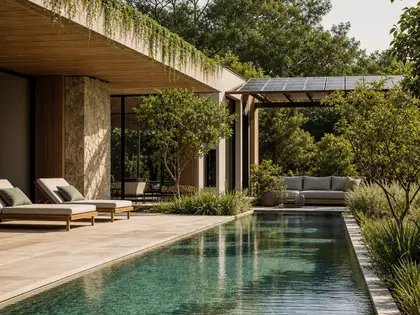
pool trends that feel fresh in 2026
A practical look at the latest pool trends, from low-energy materials and calm colour palettes to smarter layouts and tech, plus easy ways to update without a full rebuild.
Read article →— Questions
Frequently asked questions
Is this style only for large eco-buildings?
No. It can be scaled to apartments, townhouses, infill homes, and mixed-use buildings, as long as the design prioritizes efficiency and urban fit.
What makes it feel sustainable without looking overly technical?
The look usually comes from simple forms, durable natural materials, shaded openings, and visible greenery rather than overt mechanical features.
Will it suit a dense neighborhood?
Yes. The style is often designed for compact sites, using setbacks, courtyards, screened windows, and roof planting to add privacy and light.