— Ideas & inspiration
Quiet rural homes with a sustainable edge
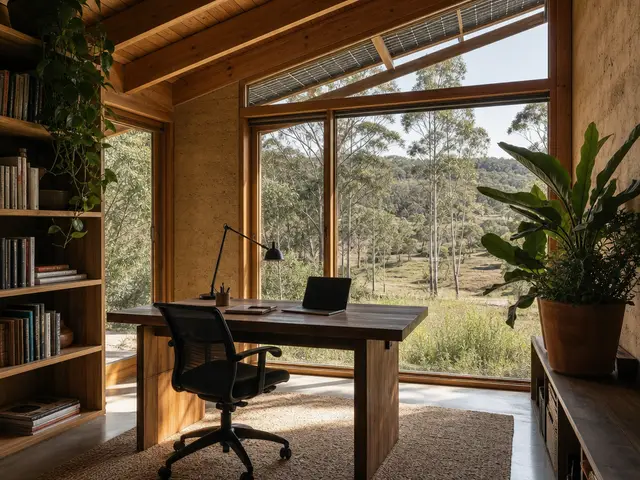
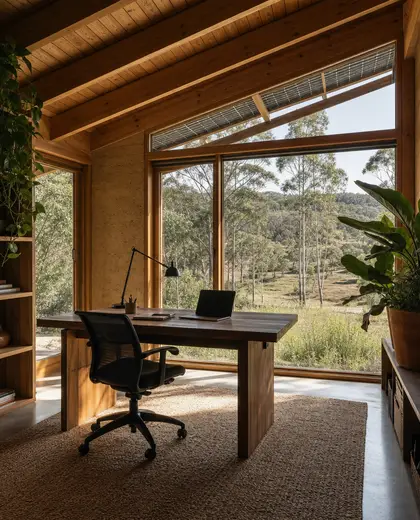
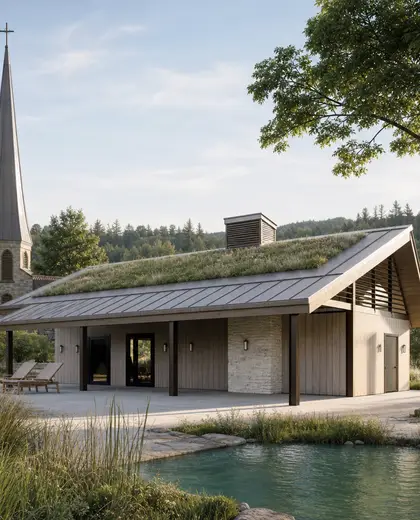
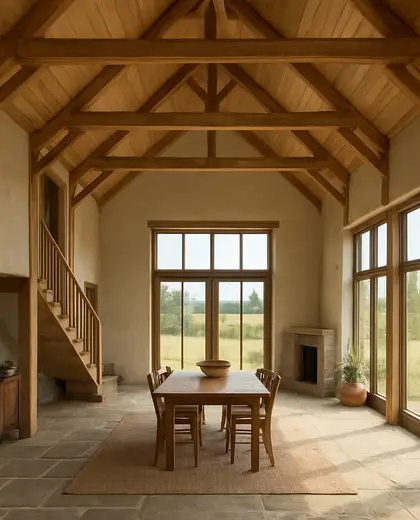
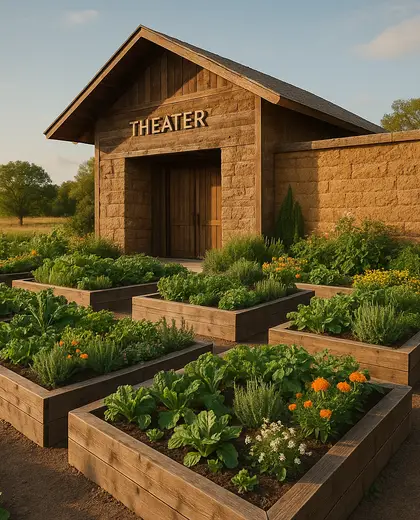
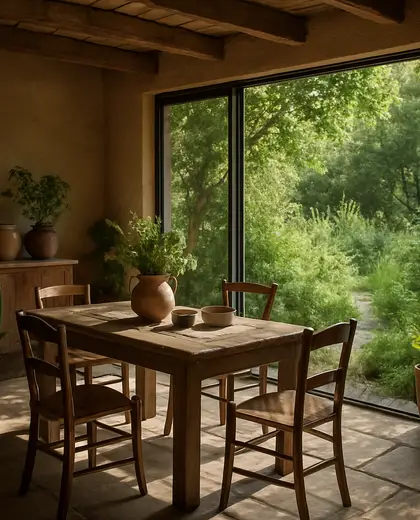
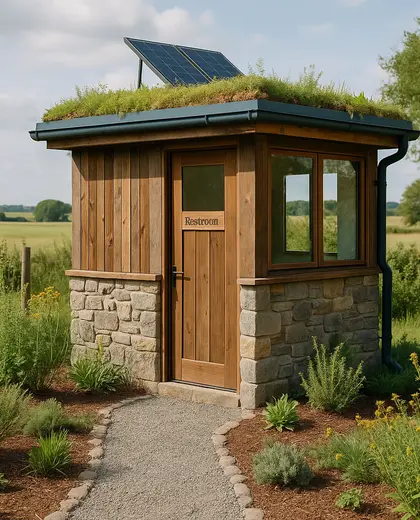
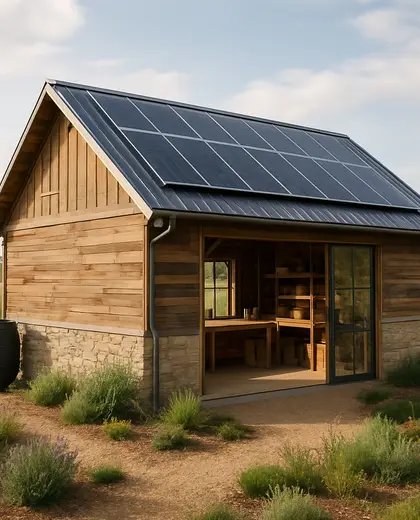
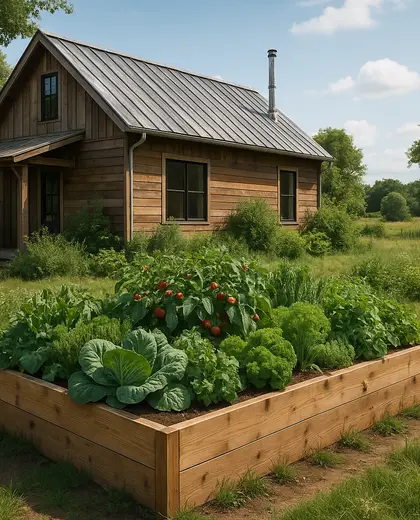
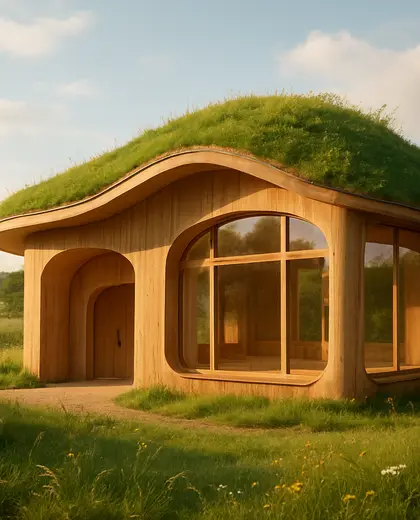
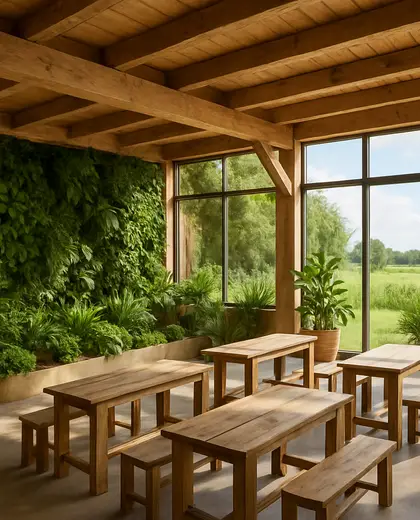
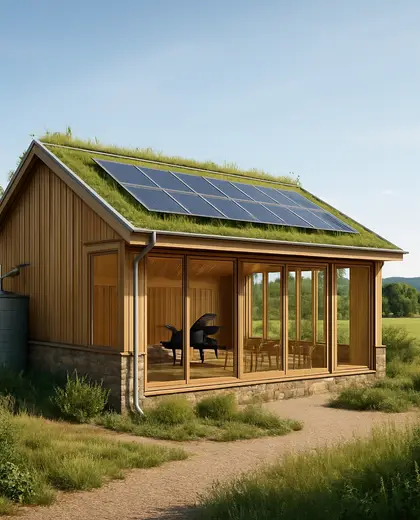
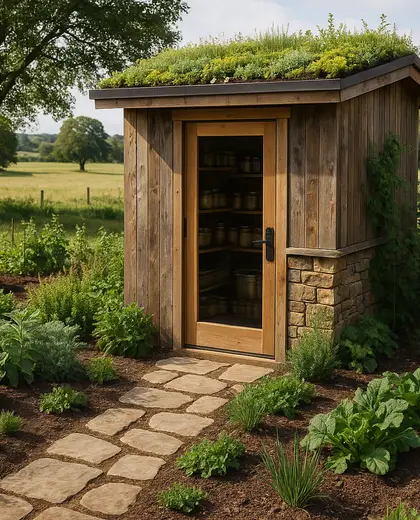
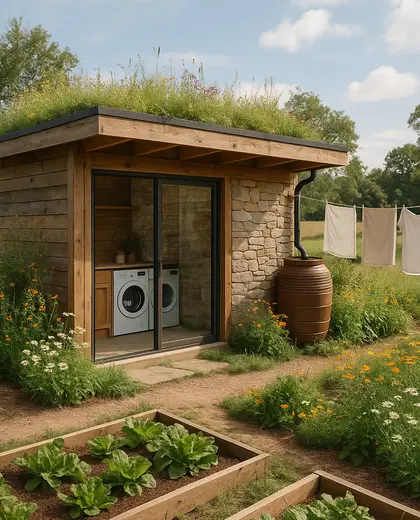
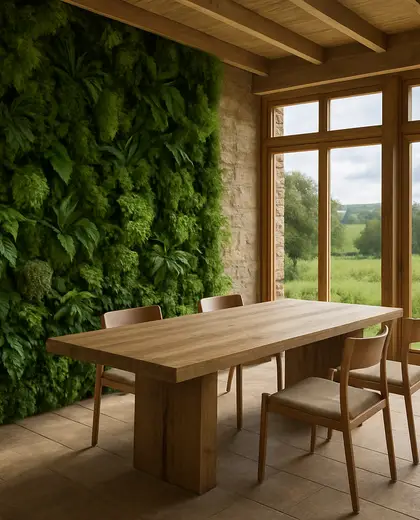
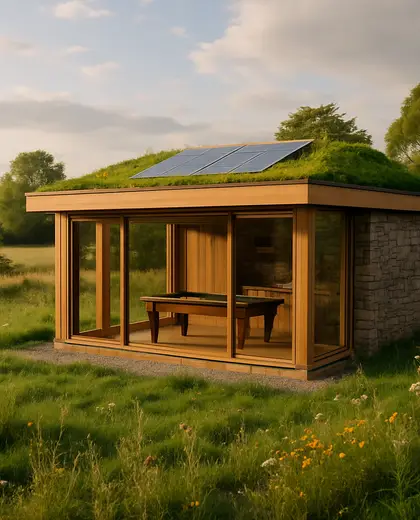
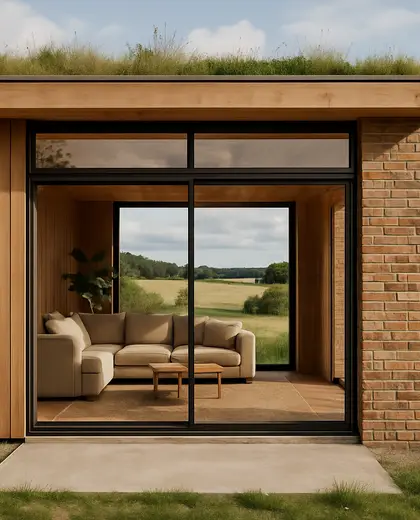
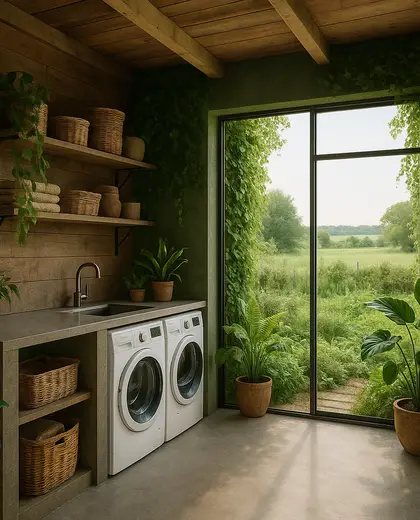
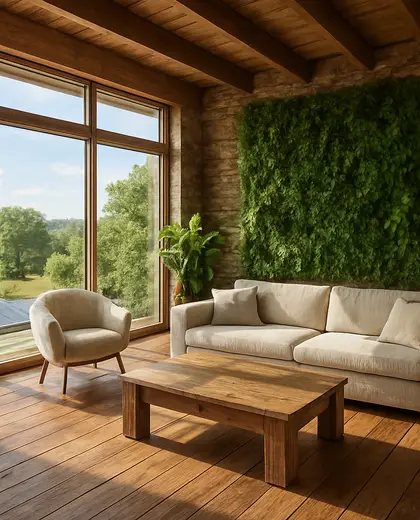
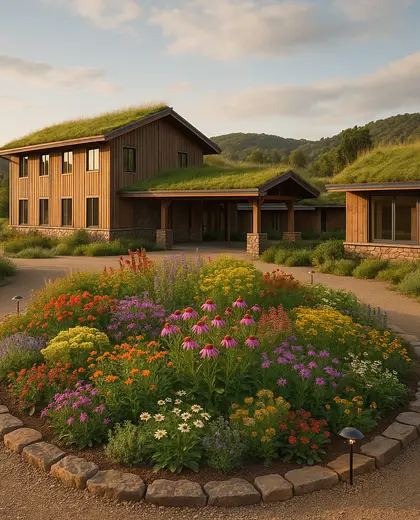
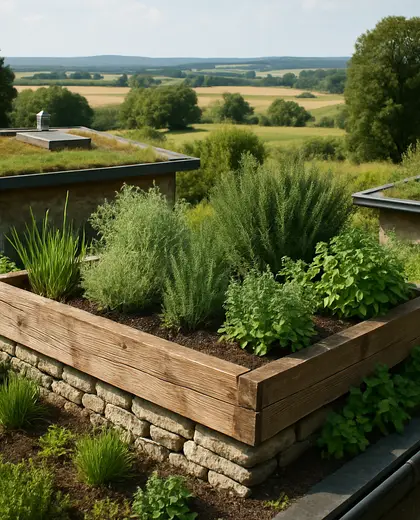
This composition combines low-impact rural forms with durable, resource-conscious materials such as timber, stone, lime plaster, reclaimed brick, and metal roofing. The palette is usually muted and earthy, with weathered neutrals, soft greens, warm browns, and natural greys. Defining elements often include simple rooflines, deep overhangs, cross-ventilation, and materials left honest and unfinished.
- sustainable
- rural
— References
References to explore
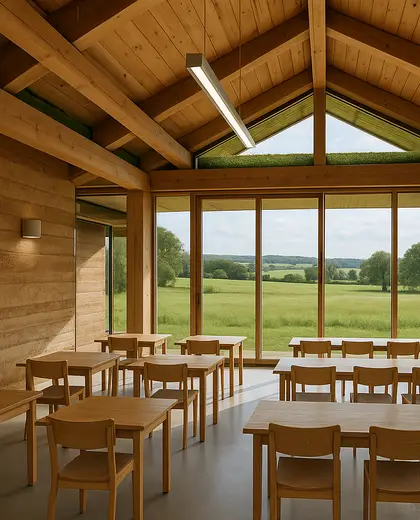
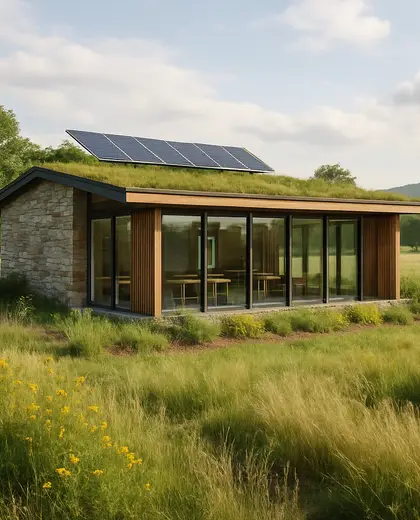
Can a rural sustainable home still feel modern?
Yes. Simple forms, larger openings, and cleaner detailing can keep the house contemporary while using low-impact materials and passive strategies.
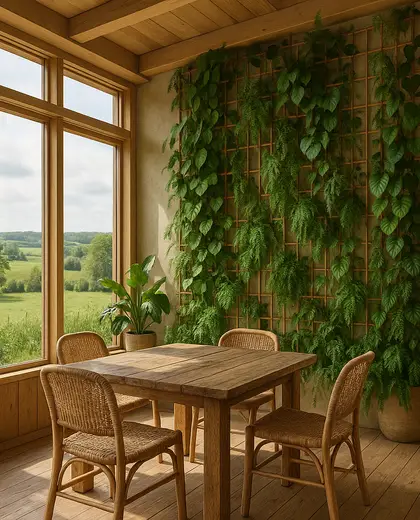
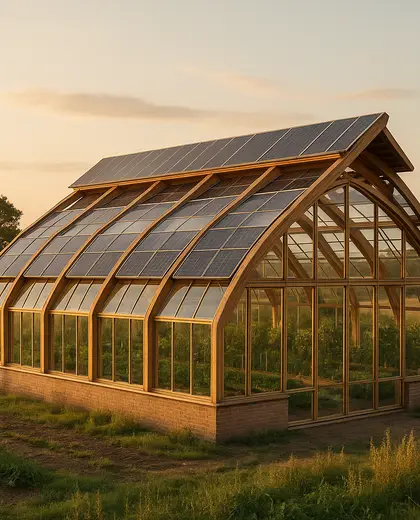
What materials work best for this look?
Timber cladding, natural stone, lime-based finishes, and durable roofing materials are common because they age well and suit countryside settings.
Does this style require a large plot?
Not necessarily. It adapts to small plots too, as long as the design respects orientation, privacy, and the surrounding landscape.
— The style
What defines it
Timber, stone, reclaimed brick, lime plaster, and recycled or long-life metal are common choices.
Earth tones, soft greens, warm browns, muted greys, and sun-faded neutrals suit the rural setting.
Works well with farmhouse layouts, barn-inspired volumes, passive design, and landscape-led outdoor living.
— Professionals
Who has already built it

- paquis norris group limitedbuilders · Reading · 3 projectsView profile →
- LoftRobejoiners · Guildford · 4 projectsView profile →
- Beneito Faurelighting designers · 2 projectsView profile →
- Lusso Stonetile suppliers · Stocktonontees · 7 projectsView profile →
— Explore
Keep exploring
— ARTICLES
Related reading
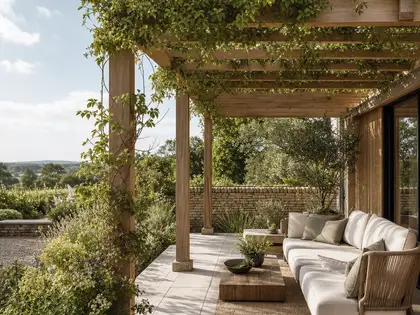
5 mistakes to avoid when designing a pergola
A practical guide to the most common pergola mistakes, with simple fixes that make the space more comfortable, durable and easy to enjoy in the UK.
Read article →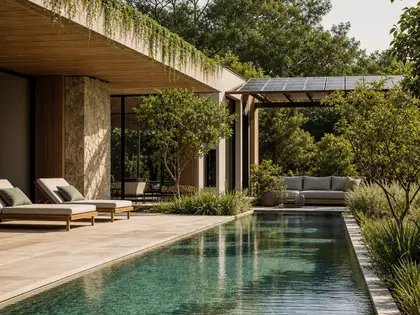
pool trends that feel fresh in 2026
A practical look at the latest pool trends, from low-energy materials and calm colour palettes to smarter layouts and tech, plus easy ways to update without a full rebuild.
Read article →— Questions
Frequently asked questions
Can a rural sustainable home still feel modern?
Yes. Simple forms, larger openings, and cleaner detailing can keep the house contemporary while using low-impact materials and passive strategies.
What materials work best for this look?
Timber cladding, natural stone, lime-based finishes, and durable roofing materials are common because they age well and suit countryside settings.
Does this style require a large plot?
Not necessarily. It adapts to small plots too, as long as the design respects orientation, privacy, and the surrounding landscape.