— Ideas & inspiration
Sustainable composition
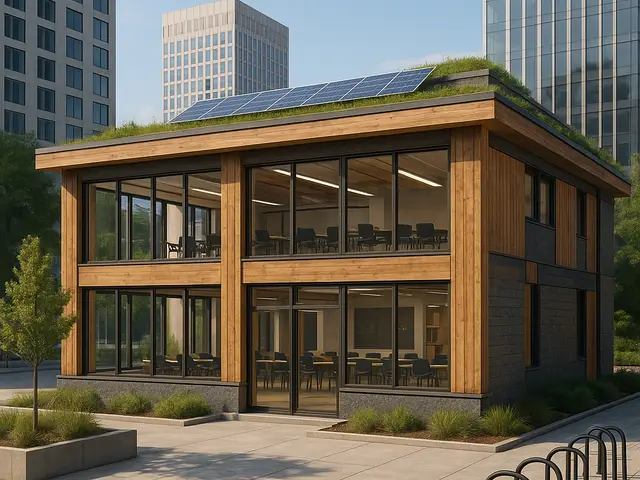
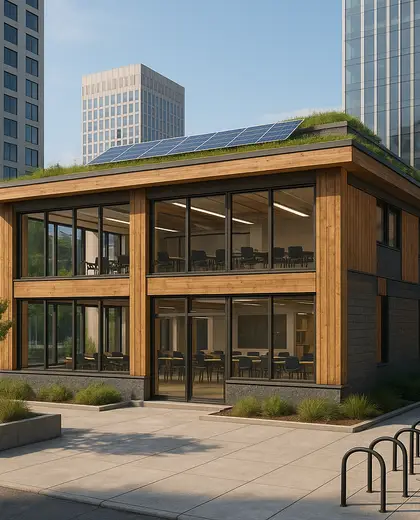
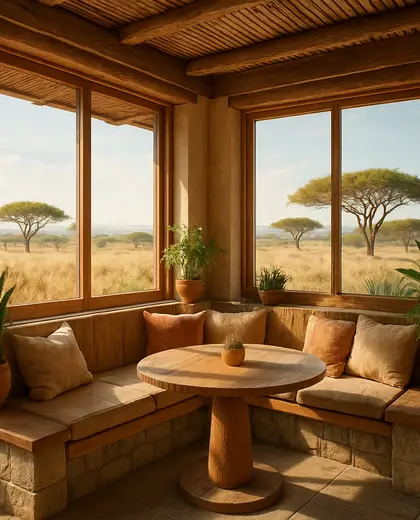
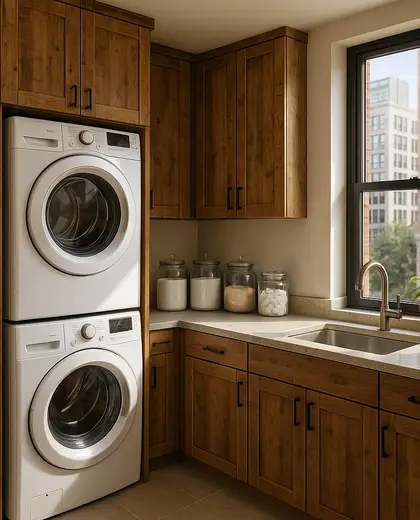
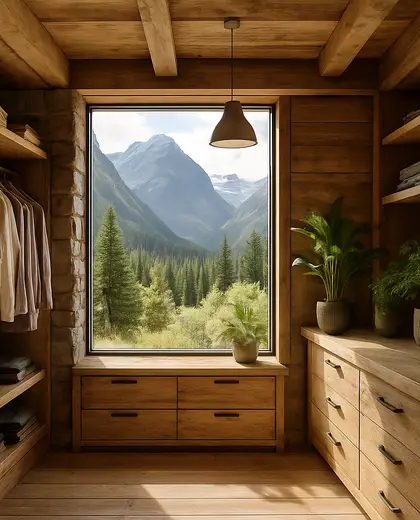
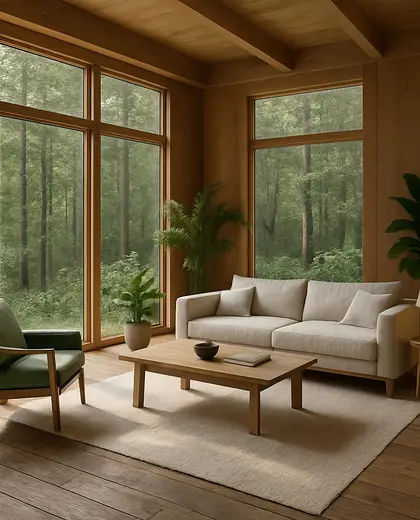
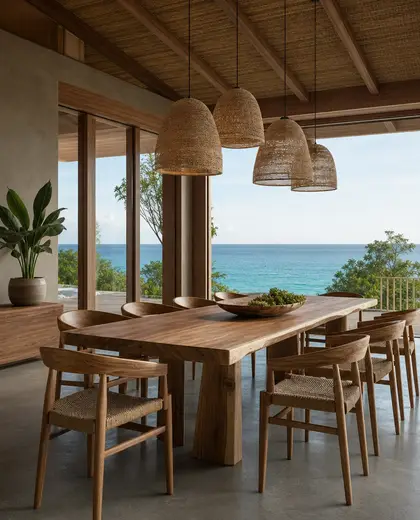
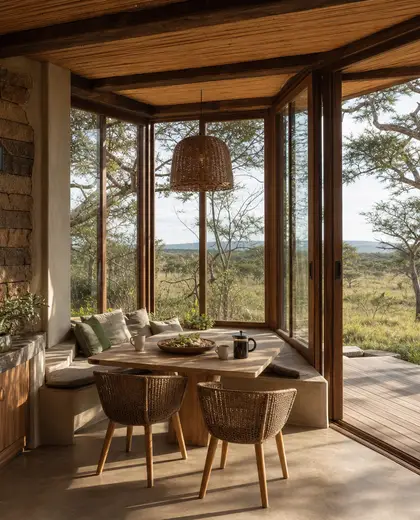
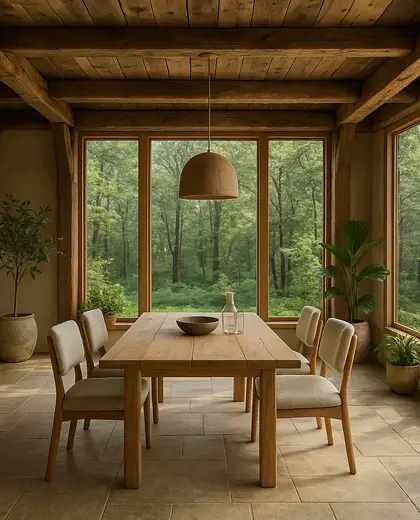
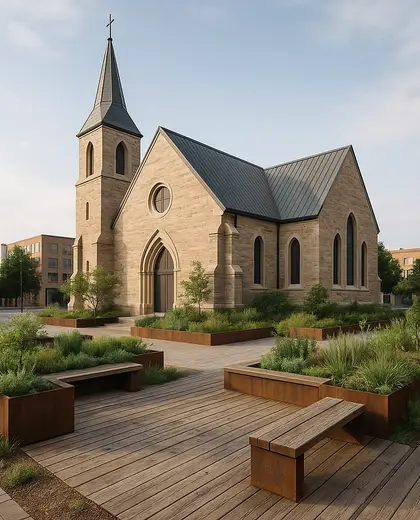
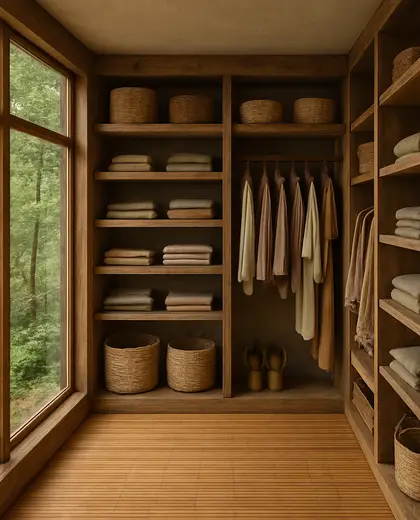
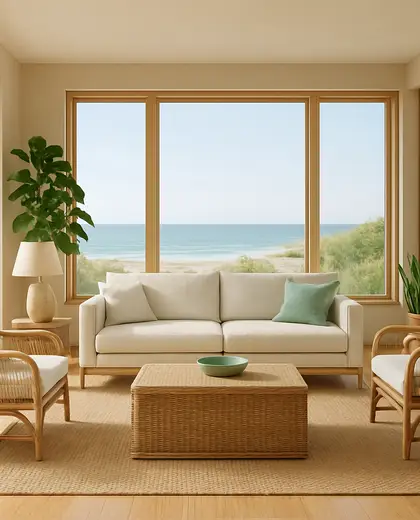
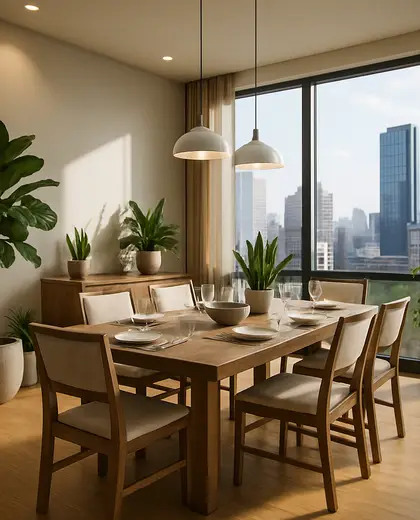
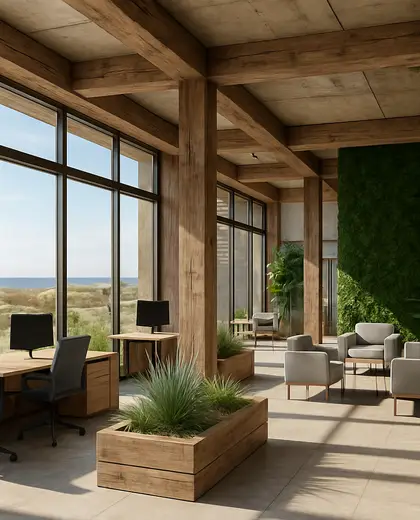
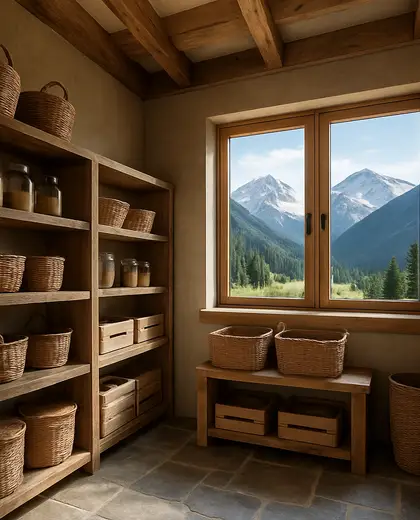
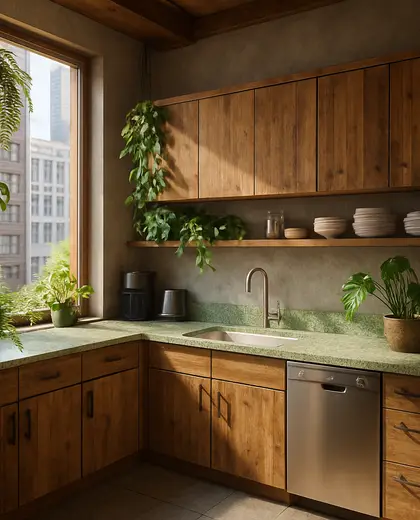
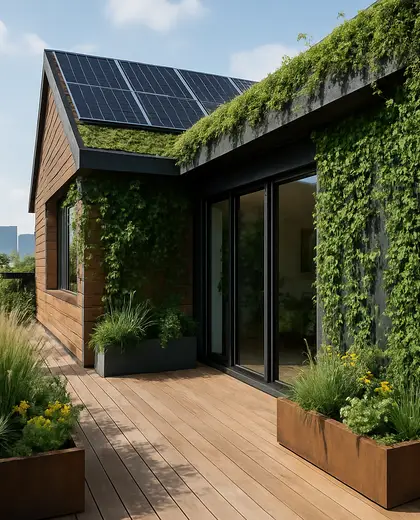
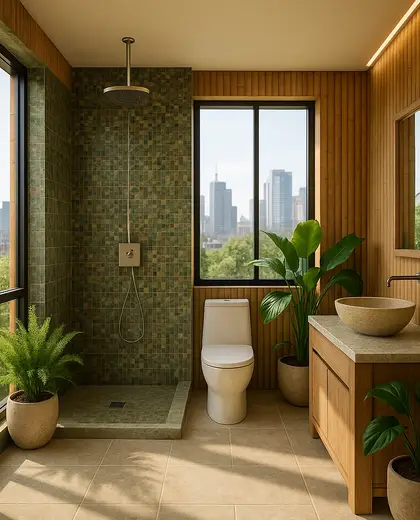
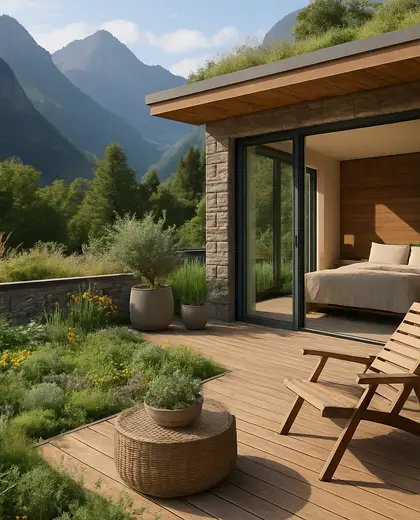
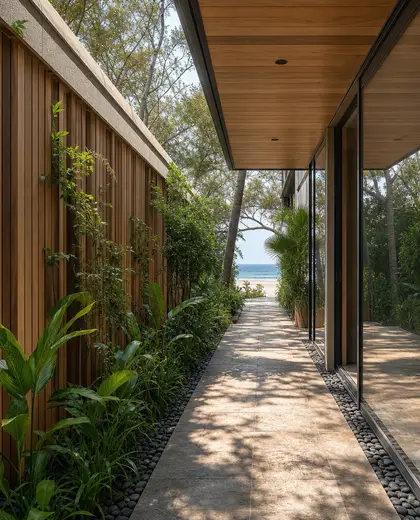
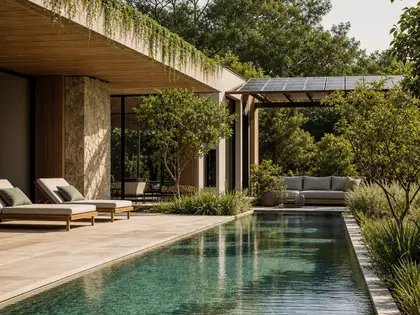
A sustainable composition uses low-impact materials such as reclaimed wood, bamboo, cork, recycled metal, natural stone, lime plaster, and low-VOC finishes. The palette is usually grounded in earth tones, muted greens, warm neutrals, and softened off-whites, often with natural texture left visible. It is defined by durable construction, repairable details, and a quiet, tactile look rather than heavy ornament.
- sustainable
— References
References to explore

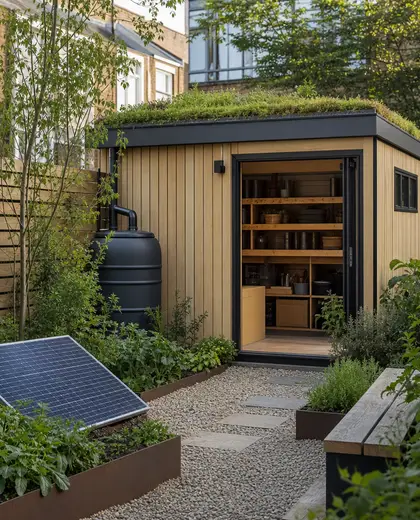
Does a sustainable composition have to look rustic?
No. It can be very clean and contemporary; the key is low-impact materials, efficient detailing, and durable finishes, not a rustic style.
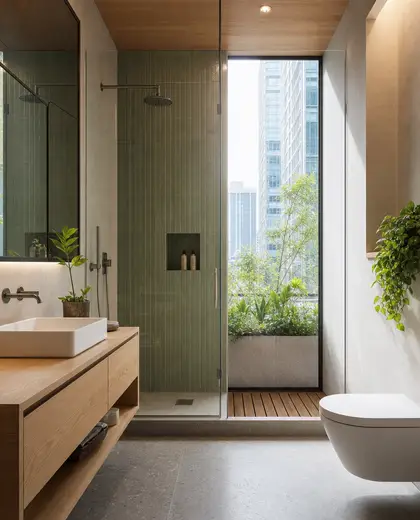
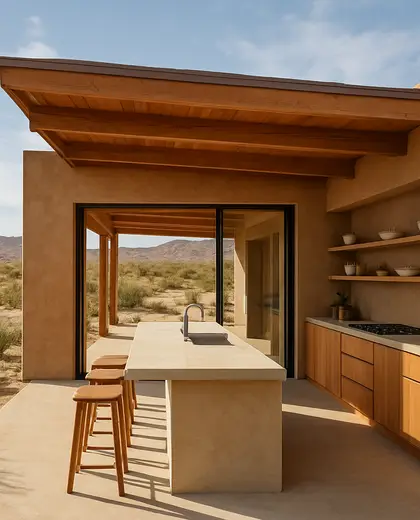
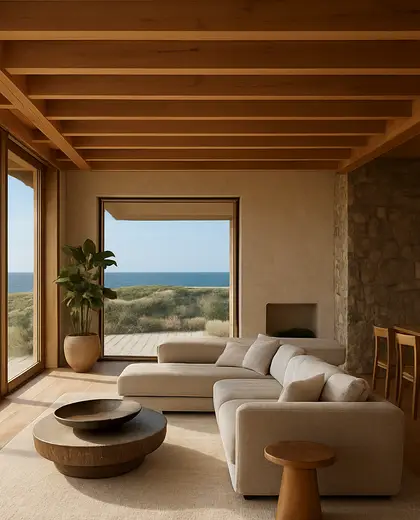
What materials are most common in this composition?
Homeowners often use reclaimed or certified wood, natural fiber textiles, cork, stone, clay-based finishes, and recycled or recyclable metals.
Will this composition work in a small home or apartment?
Yes. It often works especially well in smaller spaces because it favors simple layouts, fewer but better materials, and finishes that age well.

— The style
What defines it
Reclaimed timber, FSC-certified wood, bamboo, cork, recycled glass or metal, stone, clay, linen, wool, and low-VOC paints or finishes.
Warm neutrals, sand, clay, olive, moss, charcoal, and off-white, with finishes that read matte, textured, or naturally weathered.
Works well with simple modern forms, biophilic planting, daylight-focused layouts, exposed structure, and handcrafted details.
— Professionals
Who has already built it


- paquis norris group limitedbuilders · Reading · 3 projectsView profile →
- LoftRobejoiners · Guildford · 4 projectsView profile →
- Beneito Faurelighting designers · 2 projectsView profile →
- Lusso Stonetile suppliers · Stocktonontees · 7 projectsView profile →
— Explore
Keep exploring
— Questions
Frequently asked questions
Does a sustainable composition have to look rustic?
No. It can be very clean and contemporary; the key is low-impact materials, efficient detailing, and durable finishes, not a rustic style.
What materials are most common in this composition?
Homeowners often use reclaimed or certified wood, natural fiber textiles, cork, stone, clay-based finishes, and recycled or recyclable metals.
Will this composition work in a small home or apartment?
Yes. It often works especially well in smaller spaces because it favors simple layouts, fewer but better materials, and finishes that age well.